
Planting
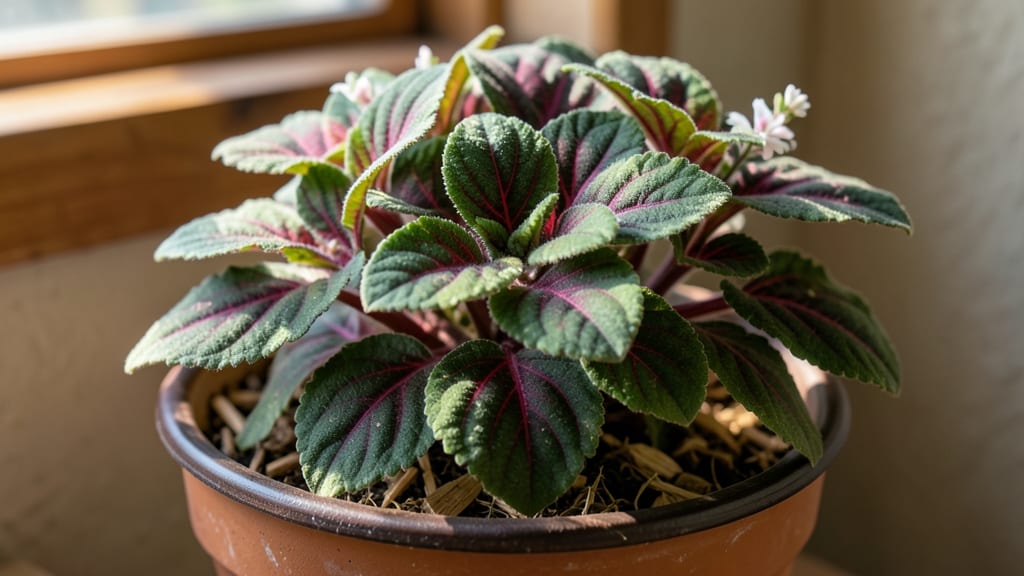
Green leaf red veins plants create bold visual impact in gardens and homes, with popular varieties including coleus, begonia, and certain ivy types. These plants require bright but indirect sunlight, consistently moist well-draining soil, and careful watering to maintain their striking foliage patterns.
These plants stand out because their vibrant red veins contrast beautifully against green leaves, making them perfect for adding drama to any space. 🌿 I've found that coleus, in particular, comes in over 300 varieties with different vein patterns and leaf shapes, while begonias often feature waxy leaves that hold up well to humidity.
The key to keeping their colors vivid is avoiding harsh afternoon sun, which can fade the red pigments over time.
For optimal growth, I recommend using a potting mix designed for foliage plants and keeping the soil slightly damp but never soggy. A humidity tray or regular misting helps prevent leaf edges from turning brown, while rotating the plant weekly ensures even light exposure.
Many of these varieties also appreciate a balanced liquid fertilizer every 4-6 weeks during the growing season.
💡 In This Article
- Identifying Common Plants with Red Veined Green Leaves
- Optimal Growing Conditions for Vibrant Red-Veined Foliage
Identifying common plants with red veined green leaves
The most eye-catching plants featuring green leaves with red veins belong to specific botanical families that produce anthocyanins - the pigments responsible for those vibrant red hues. Coleus, for instance, contains over 300 varieties where the red veins often appear as bold, network-like patterns against deep green leaves.
These veins can range from thin, spidery lines to thick, prominent streaks depending on the specific cultivar.
Begonias take this a step further with their waxy leaves that often showcase deep burgundy veins running parallel to the leaf's center, creating a striking contrast that's particularly vivid in varieties like the Rex begonia.
Distinguishing these plants from other variegated foliage comes down to leaf structure and vein patterns. Unlike plants with random white or yellow splashes (like variegated pothos), red-veined varieties typically feature consistent vein structures that run throughout the leaf.
For example, English ivy varieties with red veins will show these hues as prominent midribs (the central vein) with secondary veins radiating outward, while red-veined pothos displays more delicate, web-like patterns.
The key difference lies in how the veins are arranged - red veins in these plants are usually structural rather than random markings. 🌿
Botanically, these red veins serve important functions beyond aesthetics. In coleus, for example, the red pigments help protect leaves from excessive light damage by absorbing harmful UV radiation.
This is why these plants often perform best in bright, indirect light - too much direct sun can actually bleach out the red pigments over time.
The vein patterns also play a role in water transport within the plant, with thicker veins in begonias allowing for efficient nutrient distribution to the waxy leaf surfaces.
When identifying these plants, pay attention to leaf texture as well. Begonias typically have thicker, more leathery leaves compared to the softer, slightly fuzzy texture of coleus. Red-veined ivy varieties often feature smaller leaves with more pronounced serration along the edges.
Another distinguishing feature is growth habit - coleus grows upright with bushy foliage, while begonias often trail or mound depending on the variety. These differences help gardeners select the right plant for their space and lighting conditions.
For those new to these varieties, starting with coleus is often the easiest approach due to their wide availability and forgiving nature. A single coleus plant can produce new growth from stem cuttings, allowing you to propagate multiple plants with identical red-veined patterns.
Begonias require slightly more care but reward growers with their stunning, almost metallic-looking leaves when conditions are ideal. The red veins in these plants aren't just decorative - they're an indicator of the plant's overall health and vitality when properly maintained. ✨