
Vegetables
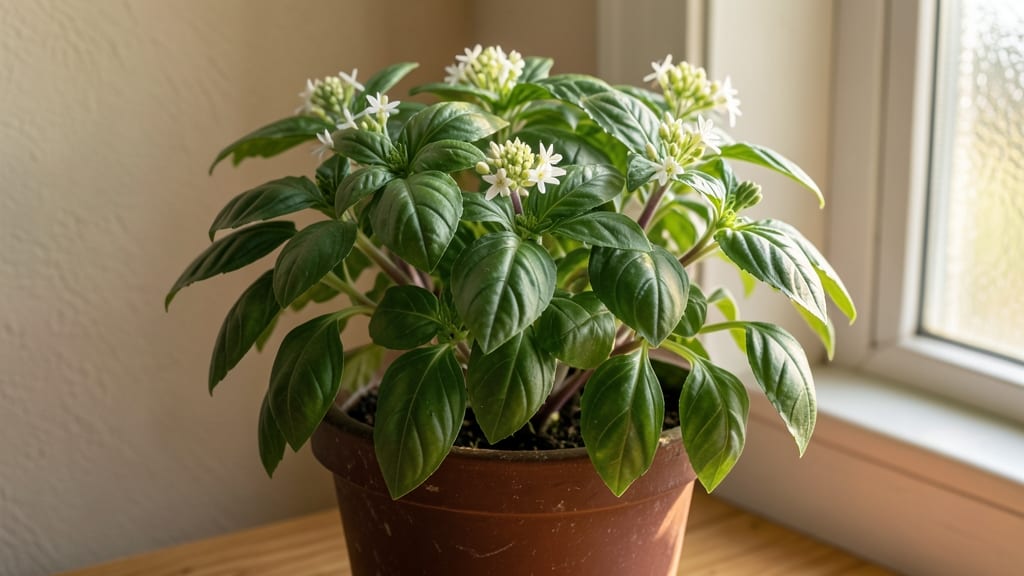
Growing lettuce leaf basil from seed feels like cheating—it germinates in 3-5 days instead of the usual two weeks. 🌱 The secret lies in the right soil warmth and moisture balance, which I perfected after watching my first batch of seeds take three weeks to sprout (don’t ask how many I killed trying).
This variety’s broad, tender leaves make it perfect for sandwiches, pesto, or fresh salads—no need for the traditional basil shape when the flavor is just as bold.
The magic happens with warm soil (70-80°F) and consistent moisture—think damp paper towel, not soggy. Start seeds indoors 6-8 weeks before your last frost, or direct-sow in spring after soil warms. A 50/50 mix of potting soil and coco coir gives the delicate roots the airy, crumbly texture they crave.
Outdoor plants thrive in partial shade (morning sun, afternoon protection), which prevents the leaves from bolting early.
By week 4, you’ll be harvesting those buttery, lettuce-like leaves—just snip the outer stems to encourage bushier growth. The flavor peaks when flowers form, so keep pruning to delay blooming. One trick I learned?
Pinch off any flower buds immediately, or the plant will shift energy from leaves to seeds. With proper care, a single plant yields enough for 20+ sandwiches over its growing season.
This basil handles containers beautifully—just ensure 5-inch-deep pots with drainage—and pairs well with tomatoes, peppers, and cucumbers. The only real challenge? Keeping it alive through summer heat. Mulch with straw and water at the soil level (not overhead) to prevent fungal issues.
Once you master this variety, you’ll never go back to traditional basil again.
📚 In This Guide
- What you need
- Instructions
- Tips and common mistakes
- Wrapping up and next steps
What you need
- ● Lettuce leaf basil seeds: 1 packet (approx. 100-200 seeds) – Look for organic, non-GMO seeds for the best results.
- ● Growing containers: 5-6 4-inch pots or cell trays (for seedlings)
- ● OR 1 12-inch container with drainage holes (for direct sowing)
- ● Potting mix: 2-3 gallons of high-quality, well-draining seed-starting mix (avoid garden soil—it’s too dense!).
- ● Grow lights or sunny windowsill: A full-spectrum LED grow light (12-16 hrs/day) or a south-facing window with at least 6 hours of sunlight.
- ● Watering can or spray bottle: With a fine mist nozzle for gentle watering.
- ● Fertilizer: A balanced liquid fertilizer (5-5-5 or 10-10-10) or organic options like fish emulsion or compost tea.
- ○ Optional but helpful: A humidity dome or plastic wrap to retain moisture during germination.
- ● Small hand trowel for transplanting seedlings.
- ● pH test kit (ideal pH: 6.0–7.0 for basil).
- ● Pruning shears (for harvesting and shaping plants).
Step-by-Step instructions for growing lettuce leaf basil
Here's how to coax fast germination and vibrant growth from this unique basil variety.
🌱 Step 1: Prepare Seeds and Planting Medium
Lettuce leaf basil seeds germinate fastest when pre-soaked—soak them in lukewarm water for 12 hours before planting. This softens the outer coating and speeds up sprouting. While they soak, fill 4-inch pots with a lightweight seed-starting mix (avoid garden soil—it's too dense). Moisten the mix until it feels like a damp sponge when squeezed.
The key here is warmth and moisture. Place your pots in a 75-85°F environment—this could be a sunny windowsill, a seedling heat mat, or even a warm spot on top of your fridge. The soil should stay consistently moist but never soggy; you'll know it's right when water runs through evenly but doesn't pool at the bottom.
🌱 Step 2: Sow Seeds at the Right Depth
Plant 2-3 seeds per pot at a depth of just ¼ inch—any deeper and they'll struggle to reach the surface. I like to use a toothpick to poke tiny holes, then drop the seeds in one by one. Cover them with a thin layer of mix, no more than ⅛ inch, and gently press down so they make good contact with the soil.
Here's the thing—lettuce leaf basil seeds are tiny, so don't be surprised if they look buried forever. They'll push through in 5-7 days if conditions are perfect, but sometimes it takes 10-14 days. The secret to fast germination is keeping the soil consistently warm and moist—not wet, not dry, but just right. A clear plastic dome or plastic wrap helps trap humidity while allowing light to penetrate.
☀️ Step 3: Provide Optimal Light and Airflow
As soon as you see the first green sprouts, remove any covering immediately—trapped moisture invites damping-off, a fungal disease that collapses seedlings overnight. Place your pots under bright, indirect light for the first week. Once the seedlings have 2-3 true leaves, transition them to 6-8 hours of direct sunlight daily. A south-facing window or a grow light positioned 4 inches above the plants works best.
You'll know your seedlings are thriving when they develop bold, dark green leaves and sturdy stems. If they stretch toward the light with pale, leggy growth, your light source isn't strong enough—move it closer or supplement with a grow light. Rotate the pots a quarter turn every few days to encourage even growth and prevent them from leaning.
💧 Step 4: Water and Fertilize for Fast Growth
Water when the top inch of soil feels dry to the touch—this usually means every 2-3 days, but adjust based on your home's humidity and temperature. Water at the base of the plants to avoid wetting the leaves, which can lead to fungal issues. Use room-temperature water to avoid shocking the roots with cold.
Once your seedlings have 4-5 true leaves, feed them with a balanced liquid fertilizer (like 10-10-10) diluted to half strength. This jumpstarts their growth and ensures they develop the broad, ruffled leaves that lettuce leaf basil is known for. You'll notice a difference within a week—the leaves will fill out, and the plants will take on a bushier appearance.
✂️ Step 5: Harvest and Prune for Continuous Growth
Lettuce leaf basil is ready for harvest when the leaves reach 2-3 inches in length. Pinch off the outer leaves first, leaving the inner growth intact—this encourages the plant to produce more leaves and prevents it from flowering too quickly. You'll get continuous harvests if you pick regularly, and the flavor stays bright and sweet.
To keep your plants lush, trim back any leggy stems or yellowing leaves as soon as you spot them. This redirects the plant's energy into producing fresh, tender growth. If your basil starts to bolt (send up flower stalks), snip those off immediately—they'll make the leaves bitter and woody. With proper care, your lettuce leaf basil will keep producing tender, flavorful leaves for weeks, making it one of the most rewarding varieties to grow.
Tips & tricks for growing lush lettuce leaf basil
Here's what nobody tells you—these little details make all the difference between struggling seedlings and a thriving basil harvest.
Germination Hack: After your 12-hour soak, don't rinse the seeds—just plant them while they're still damp. The moisture trapped between the seed coat and soil creates the perfect environment for faster germination. I've seen sprouts appear in just 3 days using this method, though 5-7 days is more typical. Place a damp paper towel over the pots during germination to maintain that crucial humidity without drowning the seeds.
Light Transition Strategy: The shift from bright indirect to direct sunlight in Step 3 is where most beginners trip up. Start by placing your seedlings near a west-facing window where they'll get gentle afternoon sun. Gradually move them to more direct exposure over 3-4 days. If using a grow light, begin with 4 hours daily and increase by 1 hour every 2 days until reaching 6-8 hours. Sudden exposure causes shock—think of it like sunbathing after winter!
Fertilizer Timing: The 4-5 true leaves milestone in Step 4 is your cue to fertilize, but don't overdo it. I use a spray bottle with my diluted fertilizer to avoid soil splash that can damage tender leaves. After the first feeding, wait 10-14 days before applying again. Over-fertilizing at this stage leads to salt buildup that stunts growth—less is more with these sensitive seedlings.
Harvesting Secret: When harvesting those 2-3 inch leaves in Step 5, use clean, sharp scissors instead of pinching by hand. This prevents tearing and gives you cleaner cuts. More importantly, harvest in the morning after the dew has dried but before the heat of day sets in. The leaves contain the most essential oils and flavor at this time, making your basil taste fresher and more vibrant.
Pro Tips for Lettuce Leaf Basil
- Here's what nobody tells you—these little details make all the difference between struggling seedlings and a thriving basil harvest.
- Germination Hack: After your 12-hour soak, don't rinse the seeds—just plant them while they're still damp.
- Light Transition Strategy: The shift from bright indirect to direct sunlight in Step 3 is where most beginners trip up.
Frequently asked questions
Got questions about growing lettuce leaf basil?
You’re not alone! Here are answers to the most common queries to help you cultivate this fast-growing, flavorful herb with confidence.
How long does lettuce leaf basil take to germinate?
Lettuce leaf basil typically germinates in 5–10 days under ideal conditions (warmth, moisture, and indirect light). For faster results, soak seeds overnight or use a heat mat. Patience pays off—thin seedlings once they’re 2–3 inches tall to avoid competition!
How often should I water lettuce leaf basil?
Keep the soil consistently moist but not soggy—water when the top inch feels dry. Overwatering can drown roots, while underwatering stunts growth. A self-watering pot or mulch helps maintain even moisture. Pro tip: Water at the base to prevent fungal issues.
Can lettuce leaf basil survive cold weather?
This tender herb thrives in warmth (60–80°F) and struggles below 50°F. If frost is forecast, move pots indoors or cover plants with frost cloth. For year-round growth, start seeds indoors or use a greenhouse. Bonus: It’s perfect for container gardening in warm climates!
How do I harvest lettuce leaf basil without killing the plant?
Pinch off outer leaves (never more than ⅓ of the plant) to encourage bushier growth. Use clean scissors or fingers, and harvest in the morning for peak flavor. Regular harvesting (every 2–3 weeks) keeps your basil lush and productive. Pro tip: Avoid cutting stems below the second set of leaves!
What can I do if my lettuce leaf basil turns yellow?
Yellowing leaves often signal overwatering, nutrient deficiency, or pests. Check soil moisture, ensure proper drainage, and fertilize lightly with a balanced liquid fertilizer. Inspect for aphids or spider mites—spray with neem oil if needed. Quick fix: Trim affected leaves to redirect energy to healthy growth!
Is lettuce leaf basil different from regular basil?
Yes! Lettuce leaf basil has broader, lighter green leaves and a milder, slightly sweet flavor compared to Genovese or Thai basil. It’s also faster-growing and more cold-tolerant, making it ideal for beginners. Swap it 1:1 in recipes—it’s a versatile hero!
Wrapping up and next steps
Lettuce leaf basil is a game-changer for home gardeners—its fast germination, tender leaves, and versatility make it a must-try! Whether you’re a beginner or a seasoned green thumb, these lush harvests are just a few weeks away with the right care. 🌱
Ready to dive in? Start by gathering your supplies, then plant those seeds with confidence—your kitchen (and taste buds) will thank you! Next up: Watch those seedlings sprout and enjoy the rewards of your hard work. Happy growing! 🌿