
Planting
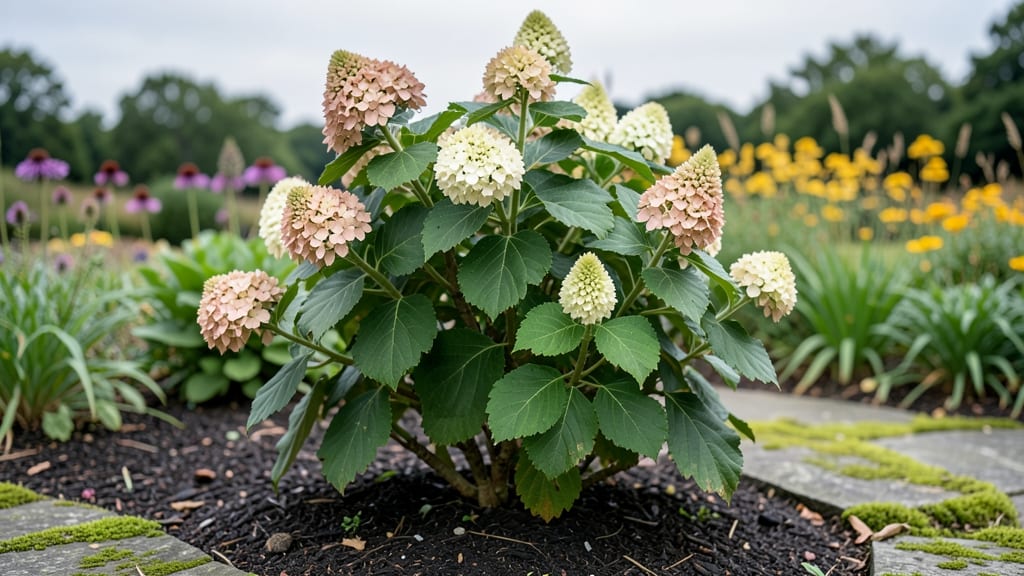
Oakleaf hydrangeas can thrive in Zone 4 with the right cold protection strategies: plant them in well-draining soil, apply thick mulch after the first frost, and select a location shielded from harsh winter winds. Late winter pruning helps prevent frost damage while keeping their stunning fall foliage vibrant.
Oakleaf hydrangeas are surprisingly resilient in Zone 4's cold climate, thanks to their natural dormancy adaptations.
Their thick, leathery leaves act as insulation, while deep roots protect against freeze-thaw cycles. 🔥 The key to success lies in mulching depth—at least 4-6 inches of organic mulch after frost helps regulate soil temperature.
I've found that planting near evergreen windbreaks or against south-facing walls can add an extra layer of protection during brutal winter snaps.
What sets oakleaf hydrangeas apart is their fall color performance, which remains vibrant even in colder climates. The secret? Pruning in late winter (after the worst cold passes) removes damaged growth while preserving next year's buds.
This timing also prevents early spring frost from damaging tender new shoots. For best results, I recommend testing your soil's drainage first—poor drainage in Zone 4 can lead to root rot during freeze-thaw cycles.
💡 In This Article
- Oakleaf Hydrangea Cold Hardiness Explained
- Zone 4 Planting and Care Checklist for Oakleaf Hydrangeas
Oakleaf hydrangea cold hardiness explained
Oakleaf hydrangeas survive Zone 4 winters through a combination of natural adaptations and strategic care. Their thick, leathery leaves contain high levels of anthocyanins—the same pigments that create their stunning fall colors—while also providing insulation.
These leaves turn fiery reds and oranges in autumn because cold temperatures trigger increased pigment production, a survival mechanism that protects cell structures during dormancy.
The roots grow deep (up to 2 feet) to access moisture and nutrients below the frost line, while the woody stems contain abscisic acid, a hormone that helps plants enter dormancy when temperatures drop below 40°F.
The science behind mulching reveals why it's critical for Zone 4 survival. A 4-6 inch layer of organic mulch (like shredded bark or straw) creates an insulating blanket that maintains soil temperatures 5-10°F warmer than unmulched areas.
This matters because hydrangea roots can suffer damage when soil temperatures fluctuate between freezing and thawing.
The mulch also blocks light from reaching weed seeds while retaining moisture—critical during Zone 4's dry winters. 🌿 What most gardeners miss is that mulch should be applied after the first frost, when the plant has already entered dormancy but before ground freezes solid.
Pruning timing directly impacts cold hardiness because new growth is far more frost-sensitive than established wood. Oakleaf hydrangeas bloom on old wood, meaning last year's stems produce this year's flowers. Pruning too early in winter risks removing flower buds before they've hardened off.
The ideal window is late February to early March, when daytime temperatures consistently stay above 40°F. This timing gives the plant time to push out new growth before potential late frosts—common in Zone 4's unpredictable spring weather.
Here's what happens when you get the timing wrong: Pruning in early winter removes protective leaf litter that insulates stems, while spring pruning can cut off flower buds just as they're emerging. The solution?
Mark your calendar for after the last frost date (typically mid-April in Zone 4) to do any final shaping. For extra protection, wrap young plants in burlap during the harshest winter months, which can reduce heat loss by up to 30% compared to exposed stems.
Color science plays a surprising role in cold hardiness. The same anthocyanins that create fall foliage also act as antioxidants, protecting cell membranes from freeze damage.
Plants with more vibrant fall colors (like 'Snow Queen' or 'Pee Wee') tend to have better cold tolerance because their pigment levels are naturally higher.
This is why selecting cold-hardy cultivars is your first line of defense—some varieties can handle -20°F with proper care, while others may struggle below 0°F.
One common mistake in Zone 4 is overwatering before winter. Wet soil freezes more easily, creating ice lenses that can heave roots out of the ground. Instead, water deeply in early fall to encourage root growth, then let the soil dry slightly before winter.
The roots will be better established to handle freeze-thaw cycles. For container-grown oakleaf hydrangeas, move pots to a sheltered location and wrap them in insulating foam—this can raise root zone temperatures by 15°F during cold snaps.