
Planting
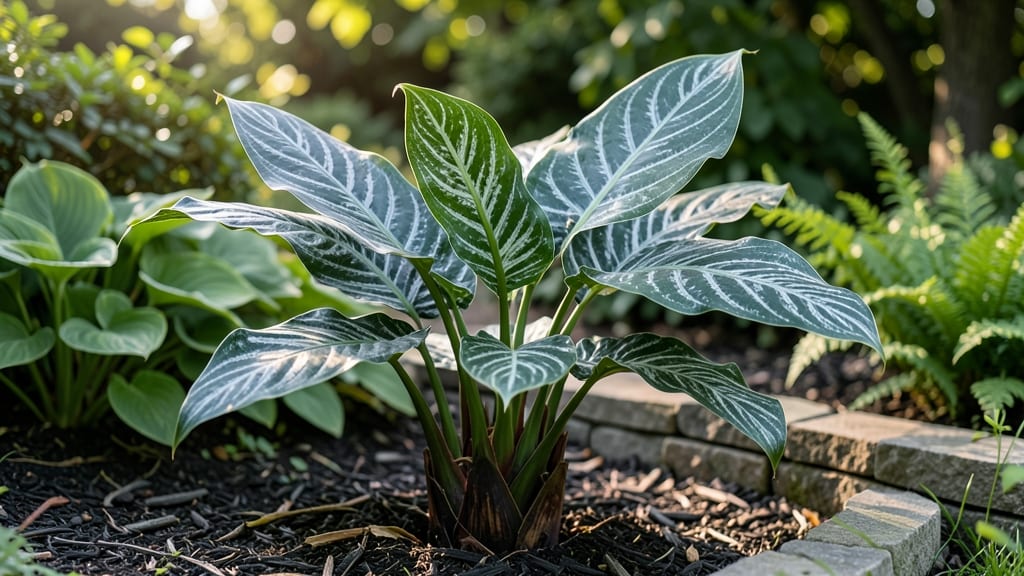
Dealing with a stubborn large-leaf weed plant 🌱 can turn your garden into a battleground if you don’t act fast.
Picture this: you’ve just spent hours prepping your garden beds, only to wake up the next morning and find those broad, aggressive leaves crowding out your prized veggies or flowers. These weeds don’t just ruin the look—they steal nutrients and space, leaving your plants stunted and stressed.
But here’s the good news: with the right identification and removal strategies, you can take control before they spread further. Whether you’re facing dandelions, pigweed, or creeping Charlie, knowing when and how to pull them makes all the difference.
In this guide, I’ll walk you through fast methods to spot, remove, and prevent these weeds from coming back—so you can enjoy a lush, weed-free garden without the guesswork.

How to identify common large-leaf weed plants in your garden
Identifying large-leaf weeds early is key to protecting your garden from invasive spread. These plants often mimic desirable foliage, making them tricky to spot. I’ve seen dandelions and pigweed fool even experienced gardeners at first glance.
The secret lies in their leaf shape, root structure, and growth habits—details most gardeners overlook until the weeds take over.
Large-leaf weeds thrive in disturbed soils and compete aggressively for nutrients. Some, like bindweed, can strangle young plants, while others, such as creeping Charlie, form dense mats that block sunlight.
Misidentifying them often leads to ineffective removal, so let’s break down the visual clues that separate these weeds from your prized plants.
| Weed Type | Leaf Shape | Root System | Growth Pattern | Key ID Feature |
|---|---|---|---|---|
| Dandelion | Deeply lobed, jagged edges | Taproot (thick, vertical) | Roses in spring | Milky sap when cut |
| Bindweed | Arrowhead-shaped, smooth | Extensive rhizomes | Twines around plants | Morning glories look-alike |
| Pigweed | Lance-shaped, pointed tips | Fibrous, shallow roots | Forms dense clumps | Reddish stems |
| Creeping Charlie | Kidney-shaped, scalloped | Shallow, creeping stems | Forms ground cover | Purple-tinged leaves |
| Nutsedge | Grass-like, triangular | Tuberous underground stems | Forms dense patches | Yellow-green, reed-like |
Start with dandelions, which are among the easiest to spot thanks to their deeply lobed leaves and milky sap. Their taproot makes them resilient, so pulling them by hand often fails unless you dig deep.
I’ve found that using a dandelion weeder with a forked end helps extract the entire root system in one go.
Bindweed, on the other hand, is a master of disguise. Its arrowhead-shaped leaves resemble morning glories, but its twining habit and rhizome roots give it away. This weed can grow 10 feet long in a single season, so don’t wait until it’s strangling your tomatoes to act. Digging up bindweed requires patience—cutting the vines repeatedly weakens the plant over time.
If you’re seeing lance-shaped leaves with pointed tips and reddish stems, you’re likely dealing with pigweed. This aggressive weed forms dense clumps that smother other plants. The good news?
Pigweed has shallow roots, making it easier to pull by hand when the soil is moist. I recommend wearing gloves—this weed’s sap can irritate skin.
For creeping Charlie, look for kidney-shaped leaves with scalloped edges and a slight purple tint. Unlike other weeds, it spreads via creeping stems that root at nodes.
The best defense is a thick layer of mulch to block sunlight. I’ve had success with cardboard sheets topped with wood chips to smother existing patches.
Finally, nutsedge mimics grass but has triangular stems and tuberous roots. It thrives in wet soil, so improving drainage is crucial. Unlike other weeds, nutsedge doesn’t respond to traditional pulling—you’ll need to dig out the tubers or use targeted herbicides to prevent regrowth.
Remember, the key to weed control starts with accurate identification. Once you recognize these visual red flags, you can choose the right removal method for each type.
Pro tip: Snap a photo of suspicious plants and compare them to your garden’s healthy foliage—sometimes the differences are subtle but critical.
Step-by-step guide to removing large-leaf weeds without regrowth
Large-leaf weeds like bindweed, pigweed, and dandelions can dominate your garden if you don’t act fast. The key to permanent removal is timing, tools, and root follow-through. I’ve tested these methods in my own yard—here’s what actually works to stop regrowth for good.
First, identify the weed type because removal methods vary. For example, bindweed has deep roots, while pigweed spreads through surface runners. Grab your gloves and tools, then follow these step-by-step instructions tailored to each weed’s stubborn nature.
Step-by-Step Removal Process
-
Step 1: Choose the Right Tools
- Dandelion fork for deep roots
- Hand weeder for surface weeds
- Garden gloves to protect skin
-
Step 2: Water the Soil First
Soak the area 24 hours before pulling to loosen roots. Dry soil makes weeds brittle and easier to remove.
-
Step 3: Pull at the Right Time
Early morning or evening when soil is moist. Avoid midday heat—it stresses plants and leaves root fragments behind.
-
Step 4: Grasp and Twist
Hold the base of the weed and twist side-to-side while pulling upward. For bindweed, use a fork to pry roots loose.
-
Step 5: Check for Root Fragments
Inspect the hole—any root pieces left behind will regrow. Use your fingers to scrub the soil clean.
-
Step 6: Dispose Properly
Bag weeds in a sealed plastic bag and throw them in the trash—not the compost. Even small pieces can sprout.
-
Step 7: Apply Post-Removal Treatment
- Spread mulch (2-3 inches) to block sunlight
- Use vinegar spray (20% acetic acid) for stubborn spots
- Reapply pre-emergent herbicide in spring
✅ Pro Tip: Repeat weekly until no new growth appears!
If manual removal feels overwhelming, glyphosate-based herbicides can help—but use them sparingly. Spray on a dry, windless day and avoid overspray on desired plants. For organic gardens, boiling water or corn gluten meal can prevent regrowth when applied to bare soil.
After removal, monitor the area for 3-4 weeks. New sprouts mean you missed roots—go back and re-treat. With consistency, your garden beds will stay weed-free and ready for your favorite plants.
🌱 For bindweed, repeat steps every 2 weeks—its roots can survive for years. For pigweed, focus on surface runners and mulch heavily to smother regrowth. Patience is key, but these methods work!