
Pruning
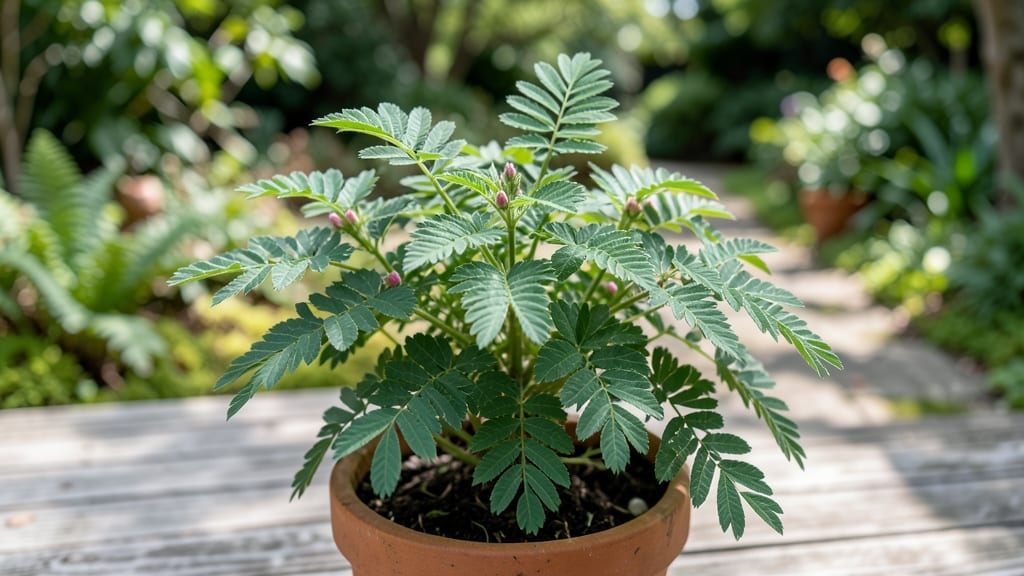
The 3-point leaf tree (Pyracantha coccinea) is easily recognizable by its glossy, serrated leaves with three prominent central veins and clusters of bright red berries. This evergreen shrub thrives with thorny branches, making it ideal for hedges or privacy screens. Prune it in late winter to promote dense foliage and abundant fruit.
The Pyracantha coccinea isn't just about its striking foliage—those thorny branches act as a natural deterrent for pests while supporting the tree's vibrant growth. 🌿 The berries, which persist through winter, are a favorite among birds, making this tree both ornamental and ecologically valuable.
I've found that regular pruning in late winter (after the worst cold snaps) stimulates new growth, ensuring your tree stays lush and productive year-round.
This tree's adaptability to various soil types and its resistance to drought make it a low-maintenance choice for both urban and rural landscapes.
Whether you're growing it for its beauty, wildlife benefits, or as a natural barrier, understanding its unique leaf structure and pruning needs will keep it thriving for decades.
💡 In This Article
- Key Features to Identify a 3-Point Leaf Tree
- Step-by-Step Guide to Pruning for Maximum Health
Key features to identify a 3-Point leaf tree
The three-point leaf tree's signature feature is its elliptical leaves with three prominent veins radiating from the base, resembling a tripod. Each leaf typically measures 1-2 inches long and 0.5-1 inch wide, with a glossy dark green surface that reflects light beautifully in sunlight.
The edges have fine serrations, almost like tiny teeth, which distinguish it from similar shrubs like hawthorn or cotoneaster that have smoother leaf margins.
What makes this tree instantly recognizable is its thorny branches, which can grow up to 3-4 inches long and develop at leaf nodes. These sharp thorns serve as natural protection against deer and rabbits, while also providing structural support for the tree's upright growth habit.
The berries—bright red, pea-sized clusters—appear in late summer and persist through winter, offering year-round visual interest and a food source for birds like robins and waxwings.
The tree's evergreen nature sets it apart from deciduous alternatives. Unlike hawthorn (which has more rounded leaves and white flowers) or cotoneaster (with smaller, flatter berries), the three-point leaf tree maintains its foliage year-round in most climates.
This makes it ideal for hedges or privacy screens where consistent coverage is desired. The dense growth pattern also helps it recover quickly from pruning, making it a resilient choice for landscapers.
Another identifying trait is the tree's aromatic quality when leaves are crushed. They release a faint citrusy scent, though not as strong as citrus trees. This subtle fragrance, combined with the leaf structure, helps differentiate it from lookalikes.
For instance, while cotoneaster berries are similar in color, they lack the three-veined leaf pattern and often grow in flatter clusters.
Consider these distinguishing factors when comparing:
- Leaf shape: Three prominent veins vs. single central vein in hawthorn
- Berry clusters: Round, dense clusters vs. flat, spreading clusters in cotoneaster
- Thorns: Long, sharp thorns vs. shorter, softer spines in other shrubs
- Growth habit: Upright, dense vs. sprawling in related species
The tree's adaptability to full sun or partial shade further broadens its appeal. In full sun, the berries develop their most vibrant red color, while partial shade can enhance leaf glossiness. This versatility makes it a favorite for both formal gardens and naturalistic landscapes. 🌿