
Pruning
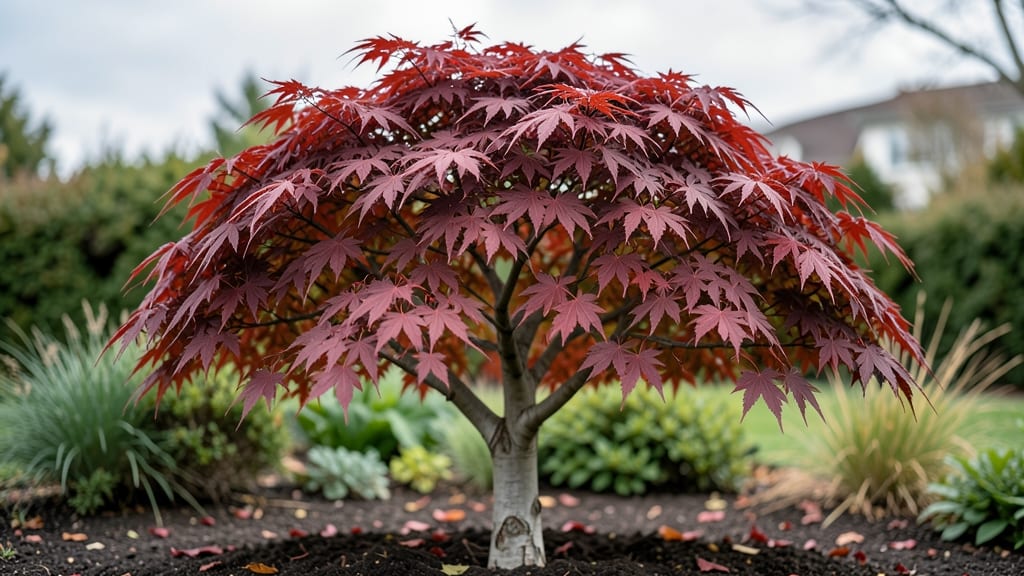
The Redleaf Japanese Maple Tree transforms any garden into a living painting, its fiery foliage putting on a show from spring through fall. 🌿 I’ve nurtured mine for years, and the secret to keeping its leaves vibrant isn’t complicated—it’s about timing, technique, and a little seasonal TLC.
This isn’t just pruning; it’s sculpting a masterpiece that thrives year-round.
Start by planting in partial shade with well-draining, acidic soil—this tree hates soggy roots. Water deeply once a week (more in summer heat), and mulch to protect those delicate roots from temperature swings.
The real magic happens in late winter, when you shape the tree while it’s dormant, ensuring those signature deep red leaves stay bold and healthy.
With the right cuts, you’ll reward yourself with bright foliage drama that turns heads in every season. Prune out crossing branches, thin crowded areas, and lightly shape to maintain its natural form—no harsh cuts needed.
The result? A tree that looks like it belongs in a botanical garden, not just your backyard.
Winter protection is key in colder zones—wrap young trees or use burlap to shield from harsh winds. And here’s the kicker: this tree’s value grows with age, its bark and branching becoming just as stunning as its leaves. Patience pays off in stunning, low-maintenance beauty that keeps giving back.
📚 In This Guide
- What you need
- Instructions
- Tips and common mistakes
- Wrapping up and next steps
What you need
- ● Pruning shears – Bypass pruners (sharp, 5-7 inch blades) for clean cuts on small branches.
- ● Loppers – 8-10 inch for thicker branches (½ inch or less in diameter).
- ○ Pruning saw – Curved-tooth for branches thicker than ¾ inch (optional but handy!).
- ● Disinfectant – 70% isopropyl alcohol or rubbing alcohol to sterilize tools between cuts (prevents disease!).
- ● Garden gloves – Heavy-duty, cut-resistant (thorns and sharp edges are sneaky!).
- ○ Pruning sealant – Optional but recommended for larger cuts (e.g., Tanglefoot Tree Wound Pruning Seal).
- ● Ladder or stool – Sturdy, 6-10 ft (depending on tree height). Safety first!
- ● Trash bags or bucket – For collecting pruned branches (keep your workspace tidy!).
- ● Best time to prune: Late winter or early spring (before buds swell) for structural pruning. Light trimming can happen in summer to shape foliage.
- ● Weather conditions: Choose a dry, overcast day (wet tools = slippery cuts!).
- ● Safety gear: Safety glasses (if branches are brittle or high up).
- ● Tree health check: Inspect for diseased or dead branches before pruning (cut those first!).
Step-by-step guide to pruning your redleaf Japanese maple
Here’s how I keep my tree’s dramatic foliage thriving year-round with minimal stress.
✂️ Step 1: Time Your Pruning for Optimal Healing
Prune your redleaf Japanese maple in late winter or early spring, just as new buds begin to swell but before leaves emerge. This timing ensures fresh growth isn’t disrupted, and the tree focuses energy on vibrant foliage. Avoid pruning in fall—wounds won’t heal before winter’s chill, leaving your tree vulnerable to disease.
If you must prune in summer, do it on an overcast day to reduce stress. You’ll notice the tree’s leaves perk up faster after a light trim, but heavy cuts this time of year can shock the delicate branches. I always carry a small pair of pruners and a bottle of diluted horticultural sealant—you’ll want to treat cuts immediately to prevent sap loss.
🌿 Step 2: Remove Dead, Diseased, or Crossing Branches First
Start by scanning the tree for dead wood—branches that snap easily or have no green bark underneath. Use clean, sharp pruners to make a 45-degree cut just outside the branch collar (the swollen area where the branch meets the trunk). This ensures the wound heals properly and water runs off instead of pooling.
Next, target crossing or rubbing branches—these create weak points where bark gets damaged. Remove the smaller of the two branches to maintain the tree’s natural shape. You’ll see a clear improvement in foliage density within a season, as the tree redirects energy to strong, unobstructed branches.
☀️ Step 3: Thin the Canopy for Better Light Penetration
Step back and assess the tree’s shape. Aim to remove no more than 25% of the foliage in one session—this keeps the tree healthy while opening up the canopy. Focus on inner branches that block light from reaching the center. You’ll notice the red hues deepen as sunlight reaches more leaves, especially in spring.
Use pruners to cut branches back to a bud or lateral branch (never leave stubs). For thicker branches, make a second cut just outside the branch collar to avoid tearing the bark. Thin gradually over 2–3 years if needed—rushing leads to shock and weak growth.
⏰ Step 4: Shape and Maintain Year-Round
After the main pruning, lightly shape the tree in summer to encourage bushier growth. Pinch back new shoots to promote branching—this is where the redleaf’s drama really shines. Avoid heavy pruning in summer, but you can remove a few wayward branches to keep the tree’s form elegant.
In fall, limit pruning to cleanup only—remove any dead or broken branches that appeared over the season. The tree’s vibrant colors will fade naturally, but keeping it tidy prevents winter damage. Water deeply after pruning to help the tree recover, especially if you’ve made larger cuts.
🪴 Step 5: Clean Up and Protect Your Tree
Dispose of all pruned material immediately—don’t leave it on the ground, as it can harbor pests or disease. Sterilize your pruners with rubbing alcohol between cuts to prevent spreading pathogens. I also apply a horticultural sealant to larger wounds to speed healing and reduce sap loss.
Mulch around the base of the tree with 2–3 inches of organic mulch, keeping it a few inches away from the trunk. This protects roots from temperature swings and retains moisture. Your redleaf Japanese maple will reward you with bold, year-round color if you prune with care and patience.
Tips & tricks for pruning your redleaf Japanese maple
These simple strategies will help you keep your tree's stunning foliage vibrant while avoiding common pruning pitfalls.
Timing is Everything: The late winter to early spring window is non-negotiable for your redleaf's health. I've learned this the hard way—pruning too early means cutting into dormant buds, while waiting too long risks summer stress. Look for those tiny swollen buds as your cue; they'll pop open within days of your pruning. If you must prune in summer, always choose an overcast day to minimize stress on the delicate branches.
Cutting Technique Matters: That 45-degree angle cut isn't just aesthetic—it's crucial for proper healing. Make your first cut just outside the branch collar, then follow up with a second cut to avoid tearing the bark. I keep a small notched pruner in my toolkit specifically for these precision cuts. The branch collar acts like a natural seal, preventing water from pooling and protecting against disease. Never leave stubs—they're entry points for pests and pathogens.
Canopy Management Secret: The 25% foliage rule is your safety net. I've seen gardeners over-prune and end up with stressed trees that take years to recover. Always step back and visualize the tree's shape before making cuts. Focus on inner branches first—they're the ones stealing light from your prized red leaves. Remember, gradual thinning over 2-3 years prevents shock while still improving light penetration and color intensity.
Seasonal Maintenance: Summer shaping is where the magic happens for that dramatic branching. Pinch back those new shoots to encourage bushier growth—this is how you get that lush, layered look. In fall, keep cleanup minimal to avoid disturbing the tree's natural color transition. After any significant pruning, give your tree a deep watering to help it recover, especially during dry spells. I've found that mulching with 2-3 inches of organic material right after pruning gives roots an extra boost.
Pro Tips for Redleaf Japanese Maple Tree
- These simple strategies will help you keep your tree's stunning foliage vibrant while avoiding common pruning pitfalls.
- Timing is Everything: The late winter to early spring window is non-negotiable for your redleaf's health.
- Cutting Technique Matters: That 45-degree angle cut isn't just aesthetic—it's crucial for proper healing.
Frequently asked questions
Got questions about keeping your Redleaf Japanese Maple stunning year-round? We’ve got answers!
Here are the most common queries from gardeners—plus expert tips to keep your tree thriving with vibrant foliage.
When is the best time to prune a Redleaf Japanese Maple?
The ideal time is late winter or early spring (before buds swell) or summer after flowering. Avoid pruning in fall or winter when the tree is dormant—it can stress the delicate branches. For minimal scarring, prune on a dry, overcast day to reduce sun exposure to fresh cuts.
How much can I prune without harming the tree?
Limit pruning to 15–20% of the canopy per year to avoid shock. For mature trees, focus on removing dead, crossing, or weak branches first. Young trees tolerate light shaping, but never remove more than 1/3 of the foliage in one season—this stunning tree recovers slowly from heavy cuts.
Why are the leaves turning brown or yellow?
Brown/yellow leaves often signal over-pruning, underwatering, or fungal issues. Check for:
- Underwatering: Japanese Maples hate dry soil—water deeply 1–2x weekly in hot weather.
- Fungal diseases: Prune infected branches immediately and apply copper fungicide if spots appear.
- Sunburn: If leaves scorch in summer, provide afternoon shade.
Can I grow a Redleaf Japanese Maple in a container?
Yes! Choose a large, well-draining pot (15+ gallons) with acidic, loamy soil. Use container-specific fertilizer (high in iron) and repot every 2–3 years. Place in partial shade—direct sun will fade the red leaves. Winter care: Move indoors or wrap the pot in burlap to protect roots from freezing.
What’s a good alternative if I want a maple with less maintenance?
Consider these low-maintenance options:
Tree
Foliage
Pruning Needs
Bloodgood Japanese Maple
Deep purple-red
Moderate—similar care as Redleaf
Norway Maple
Green (lobed leaves)
Minimal—tolerates heavy pruning
Amur Maple
Orange-red fall color
Very low—drought-tolerant
Pro tip: If you love the Redleaf’s drama but want easier upkeep, try the Amur Maple—it’s hardier and still stunning!
Wrapping up and next steps
The Redleaf Japanese Maple isn’t just a tree—it’s a living masterpiece, and with the right pruning techniques, you can keep its fiery foliage thriving year-round! 🌿 By mastering the art of selective pruning, thinning, and seasonal care, you’ll ensure vibrant colors, strong structure, and long-term health.
Your dedication will reward you with a stunning centerpiece that brings drama and beauty to any landscape.
Ready to take your pruning skills to the next level? Start by scheduling a maintenance session this fall—the perfect time to assess growth and plan for winter prep. Grab your tools, put on your gardening gloves, and give your Redleaf Japanese Maple the love it deserves! 🌟