
Pruning
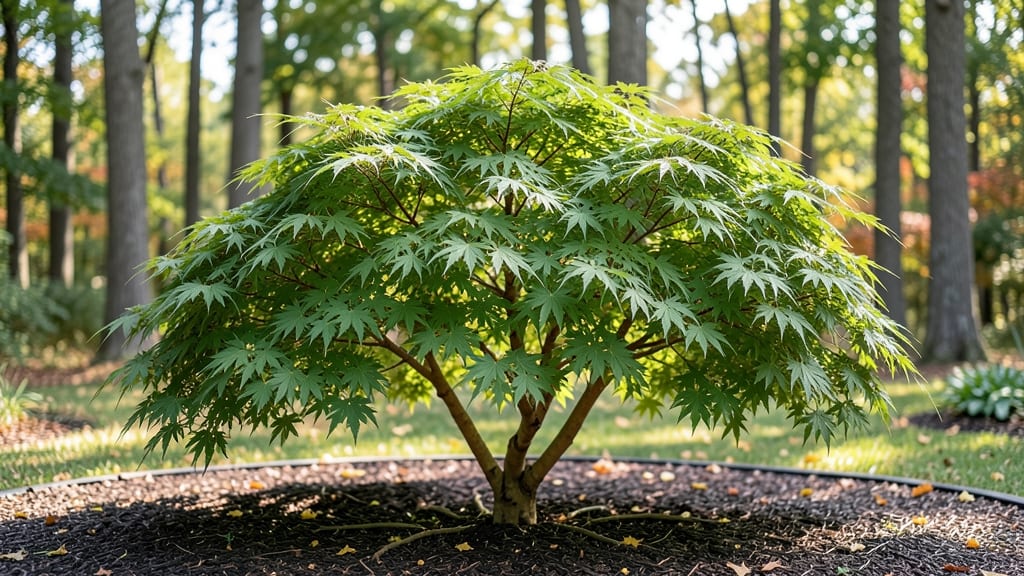
Your lace leaf Japanese maple’s delicate foliage deserves year-round care that keeps it looking like a living watercolor. ✨ The secret to vibrant, lace-like leaves isn’t complicated—it’s about strategic pruning that encourages fresh growth while preserving its signature shape.
I’ve pruned mine for five seasons, and the difference between a healthy specimen and a leggy mess comes down to timing, technique, and a little patience.
The key is pruning in late winter or early spring before new growth appears. You’ll want sharp bypass pruners, rubbing alcohol for sterilization, and a clear day to avoid spreading disease.
Focus on removing dead or crossing branches first, then thin out crowded areas to improve airflow—this keeps those signature leaves bright green and prevents fungal issues. Even a small tree benefits from this approach, and container-grown maples respond just as well.
What you’ll end up with is a tree that stays compact, with foliage so lush it looks like it belongs in a botanical garden. The lace-like leaves stay vibrant through all four seasons, and you’ll notice new growth emerging within weeks of pruning.
The best part? This method works for both young saplings and mature trees, so you can apply it now and keep using it for decades.
Perfect for small gardens, patios, or even large containers—this pruning approach transforms an ordinary tree into a standout focal point. The payoff is immediate: healthier branches, more vibrant leaves, and a tree that becomes the centerpiece of your outdoor space. Let’s get those pruners ready!
📚 In This Guide
- What you need
- Instructions
- Tips and common mistakes
- Wrapping up and next steps
What you need
- ● Pruning shears: Bypass pruners (sharp, clean, and sterilized with rubbing alcohol or bleach solution) for small branches (up to ½ inch thick).
- ● Loppers: 1 pair (for branches ½ to 1½ inches thick). Look for ergonomic handles to reduce hand fatigue.
- ● Pruning saw: 1 handheld or folding saw (for thicker branches over 1½ inches). A curved blade works best for clean cuts.
- ● Disposable gloves: 2 pairs (nitrile or leather) to protect hands from thorns and sap.
- ○ Sealing wax or pruning paint: 1 small bottle (optional but recommended for cuts over ½ inch thick to prevent disease).
- ● Rubbing alcohol or bleach solution: 1 small bottle (for sterilizing tools between cuts).
- ● Bucket or trash bag: 1 (for collecting pruned branches).
- ● Twine or zip ties: 5-10 pieces (to secure branches during pruning if needed).
- ● Hand lens or magnifying glass: 1 (to inspect buds and small details up close).
- ● Pruning rope or stakes: 2-3 pieces (for training or supporting branches post-prune).
- ● Fungicide spray: 1 small bottle (preventative measure for cuts in humid climates).
- ● Notebook and pen: 1 (to sketch your pruning plan or track progress).
Step-by-step pruning guide for lace leaf Japanese maple
Here’s the method I’ve used for years to keep my lace leaf Japanese maples looking stunning in every season.
✂️ Step 1: Time Your Pruning for Optimal Growth
Prune your lace leaf Japanese maple in late winter or early spring, just as new buds begin to swell. This timing ensures you’re cutting back before the tree’s active growth phase begins, which prevents stress and promotes vibrant foliage. Avoid pruning in fall or winter—you’ll risk exposing the tree to cold damage when it’s already dormant.
Look for tight, plump buds along the branches as your signal. These buds signal the tree’s readiness to grow, and pruning just before they open gives the tree energy to focus on new, healthy growth. If you’re unsure, wait until you see a few buds starting to unfurl—this is your cue to begin.
✂️ Step 2: Remove Dead, Diseased, or Crossing Branches
Start by inspecting the tree for any dead, diseased, or crossing branches. These are your top priorities—removing them first keeps the tree healthy and prevents future issues. Use clean, sharp pruning shears to make precise cuts just outside the branch collar (the swollen area where the branch meets the trunk).
If a branch is diseased, sterilize your shears with rubbing alcohol between cuts to avoid spreading pathogens. You’ll know a branch is dead if it’s brittle, snaps easily, or has no leaves—these should be removed entirely. Crossing branches compete for sunlight and nutrients, so prune one of the two to maintain a balanced canopy.
✂️ Step 3: Thin Out Overcrowded Areas
Next, focus on thinning out the canopy to improve airflow and light penetration. Aim to remove about 20-25% of the tree’s total foliage—this encourages stronger growth without overburdening the tree. Look for branches that are growing inward or rubbing against others; these should be pruned back to a healthy lateral branch or bud.
Make your cuts at a 45-degree angle just above an outward-facing bud. This ensures the new growth will fill in the canopy evenly. Avoid cutting back to stubs—this can lead to weak, unsightly regrowth. Step back occasionally to visualize the tree’s shape; you’re sculpting, not hacking.
☀️ Step 4: Shape and Refine the Canopy
Now it’s time to refine the tree’s natural form. Lace leaf Japanese maples have a graceful, layered look, so prune to enhance their open, airy structure. Focus on maintaining a balanced silhouette by removing branches that disrupt the tree’s natural shape or create dense clusters.
Use hand pruners for smaller branches and loppers for thicker stems. Always cut back to a healthy bud or branch, and avoid over-pruning—this can stress the tree and reduce its vigor. If you’re unsure about a cut, err on the side of caution and leave it; you can always prune more next year.
🌿 Step 5: Clean Up and Monitor Recovery
After pruning, rake up and dispose of all debris to prevent disease and pests from taking hold. Sterilize your tools again with rubbing alcohol to ensure they’re ready for the next use. Water the tree deeply to help it recover from the pruning stress, especially if the weather has been dry.
Monitor the tree over the next few weeks for new growth. You’ll see fresh, vibrant leaves emerging from the buds you left behind—this is your sign that the pruning was successful. If you notice any signs of stress, like wilting or yellowing leaves, adjust your watering or provide some afternoon shade until the tree adjusts.
Tips & tricks for perfect lace leaf Japanese maple pruning
Confession: I skipped the timing step for years and wondered why my maples never looked their best. Here’s what I learned to make the difference between good and stunning.
Timing is Everything: That late winter/early spring window is non-negotiable. Cold dormancy makes trees vulnerable, while summer pruning stresses them by removing leaves when they need them most. I’ve seen maples recover beautifully after winter pruning, but summer cuts often lead to weak regrowth.
Bud Inspection Technique: When checking for those plump buds, look for them on the outer edges of branches first—these are where new growth will emerge. I learned this by watching how sunlight hits the tree; outer buds get the most light and produce the most vibrant foliage. If you’re unsure, wait until you see 2-3 buds unfurl—that’s your perfect cue.
Canopy Thinning Strategy: The 20-25% rule isn’t arbitrary—it’s the sweet spot where you remove enough to improve airflow without overburdening the tree. I mark branches with painter’s tape before cutting to visualize the 25% target. This prevents over-pruning, which can stress the tree and reduce its vigor for years.
Recovery Monitoring: After pruning, I check for new growth by gently shaking branches—you should feel slight movement from fresh leaves. If you don’t see buds swelling within 2-3 weeks, it might mean the tree needs more time to recover or the pruning was too aggressive. Adjust your watering if needed, but don’t overdo it—Japanese maples prefer slightly drier conditions.
Pro Tips for Lace Leaf Japanese Maple
- Confession: I skipped the timing step for years and wondered why my maples never looked their best.
- Timing is Everything: That late winter/early spring window is non-negotiable.
- Bud Inspection Technique: When checking for those plump buds, look for them on the outer edges of branches first—these are where new growth will emerge.
Frequently asked questions
Got questions about keeping your lace leaf Japanese maple stunning year-round? You’re not alone! Here are answers to the most common queries—from pruning timing to troubleshooting common issues.
When is the best time to prune my lace leaf Japanese maple?
The ideal time is late winter to early spring (before buds swell) or summer after flowering. Avoid pruning in fall or winter in cold climates—this can stress the tree. For minor shaping, summer is also safe, but steer clear of heavy cuts during heatwaves.
Can I prune my lace leaf Japanese maple in summer?
Yes, but with caution! Light pruning in summer (June–August) is fine for shaping or removing dead branches. However, avoid heavy pruning—it can stimulate new growth that may not harden off before winter. If you must prune heavily, do it in early summer to allow recovery time.
Why are the edges of my lace leaf Japanese maple leaves turning brown?
Brown edges often signal underwatering, overwatering, or environmental stress. Check soil moisture (it should be evenly damp but not soggy). Also, ensure proper airflow and protect from direct afternoon sun or harsh winds. If the issue persists, test for pests like spider mites or fungal diseases.
Are there alternatives to lace leaf Japanese maple for small gardens?
Consider these low-maintenance, compact options:
- Bloodgood Japanese maple – Deep red foliage, disease-resistant.
- Dwarf Korean maple – Vibrant colors, slower growth.
- Empress Japanese maple – Purple leaves, great for containers.
- Seven Sons Japanese maple – Golden-green lace leaves, cold-hardy.
How do I protect my lace leaf Japanese maple from winter damage?
Start by mulching the root zone (2–3 inches of organic mulch). Wrap the trunk with tree burlap if temps drop below 10°F (-12°C). Avoid heavy snow buildup—gently brush it off branches. For young trees, a lightweight frost cloth over delicate foliage can help too!
Wrapping up and next steps
The lace leaf Japanese maple is a stunning addition to any garden, and with the right pruning techniques, you can keep its delicate foliage vibrant year-round. Remember, timing, clean cuts, and patience are key—whether you’re shaping for aesthetics or maintaining health, a little effort goes a long way! 🌿
Ready to transform your tree into a showstopper? Grab your tools and start pruning with confidence. And if you’re feeling inspired, why not share your progress or tips with fellow gardening enthusiasts? Happy pruning! ✂️💚