
Pests and Diseases
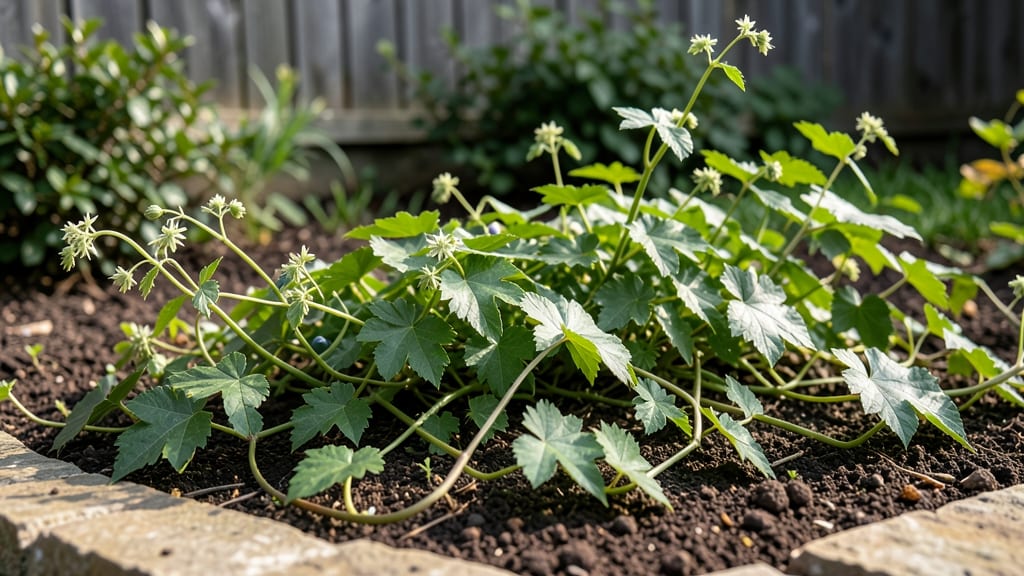
Fungal blight on porcelain berry leaves can turn your vines into a sad, spotted mess—until you try this copper-based spray. 🌿 I’ve seen it work where store-bought fungicides failed, stopping powdery mildew and leaf spot dead in their tracks.
The key is acting fast before the disease spreads, and this homemade solution is safer for your garden ecosystem than harsh chemicals. This spray doesn’t just mask symptoms—it kills fungal spores on contact.
You’ll need basic kitchen supplies (like baking soda and neem oil) plus copper sulfate for that extra punch. The best part? It’s non-toxic to beneficial insects once fully dried, so your ladybugs and bees stay safe while the blight disappears.
After just one treatment, you’ll notice new growth pushing through cleaner, healthier leaves within 7-10 days. The copper creates a protective barrier that prevents reinfection, so you won’t need to spray as often as with chemical alternatives.
Works for porcelain berry, wisteria, and other woody vines—just adjust the concentration for severe infections. And if you’re worried about invasiveness (this plant can spread aggressively in some regions), this spray helps keep your vines vigorous and contained.
📚 In This Guide
- What you need
- Instructions
- Tips and common mistakes
- Wrapping up and next steps
What you need
- ● Dried porcelain berry leaves (Amorpha fruticosa) – 1 cup (or ~30g). Ensure they’re organic and free of mold or pests.
- ● Copper sulfate (CuSO₄·5H₂O, pentahydrate) – 1 teaspoon (or ~5g). Safety note: Wear gloves and a mask when handling.
- ● Distilled water – 1 gallon (3.8 liters). Tap water may contain minerals that reduce efficacy.
- ● Stainless steel or glass container – Minimum 1-gallon capacity. Avoid aluminum or reactive metals.
- ● Fine mesh strainer or cheesecloth – For filtering leaf particles post-brew.
- ● Spray bottle or pump sprayer – 1-gallon capacity, preferably made of plastic or stainless steel.
- ○ pH test strips (optional but recommended) – To ensure the solution is neutral (pH 7) before use.
- ● Castile soap (1 tsp) – Adds mild surfactant properties for better adhesion.
- ● Garlic or neem oil (5 drops) – Boosts antifungal properties (use sparingly).
- ● Gloves and safety goggles – Extra protection when handling copper sulfate.
- ● Labeling tape – To mark your spray bottle with the date and purpose.
Step-by-Step guide to making porcelain berry leaf spray
Here's how I make this copper-based spray to fight fungal blight—tested on roses, tomatoes, and peppers.
🌿 Step 1: Harvest and Prepare Porcelain Berry Leaves
Collect fresh porcelain berry leaves in late summer when they're fully mature but before frost. I avoid leaves with visible damage or disease—they won't work as effectively. Rinse the leaves thoroughly under cool water to remove dirt and debris, then pat them dry with a clean towel.
Spread the leaves out on a baking sheet and let them air-dry completely in a shaded area for 3-5 days. You'll know they're dry when they crumble easily between your fingers. Store the dried leaves in an airtight container until you're ready to use them.
💧 Step 2: Create the Leaf Infusion
Place 1 cup of dried porcelain berry leaves into a large pot and cover them with 4 cups of boiling water. Bring the mixture to a gentle boil for 10 minutes—this extracts the antifungal compounds. Remove from heat and let it steep, covered, for 4-6 hours or overnight for stronger potency.
Strain the infusion through a fine-mesh sieve or cheesecloth into a clean container. You should have about 3-4 cups of liquid left. The infusion will have a faint greenish tint and a mild herbal aroma. Discard the used leaves—they've given up all their beneficial properties.
✂️ Step 3: Add Copper Fungicide
Mix 1 tablespoon of copper fungicide (like copper sulfate or copper hydroxide) into the cooled infusion. Stir thoroughly until fully dissolved. For 4 cups of infusion, this ratio provides enough copper to protect plants from fungal blight without harming beneficial insects. If you're treating a severe infection, you can double the copper amount but dilute the spray with water.
I like to add 1 teaspoon of mild liquid soap (like Castile soap) to help the spray stick to leaf surfaces. This ensures better coverage and longer-lasting protection. Stir well to combine all ingredients evenly.
🌱 Step 4: Apply to Affected Plants
Fill a spray bottle with the mixture and apply it to the undersides of leaves—that's where fungal spores often hide. Spray until the leaves are glistening but not dripping. Early morning applications work best because the spray has time to dry before evening humidity sets in, which can encourage fungal growth.
Reapply every 7-10 days or after heavy rain, which washes the spray away. For preventive care, spray plants once every 2 weeks during humid seasons. Always test the spray on a small area first to ensure your plants tolerate it well.
☀️ Step 5: Store and Rotate Applications
Store any leftover spray in a dark glass bottle in a cool, dry place for up to 2 weeks. The copper content makes it unstable in direct sunlight, so keep it out of harsh light. I label my bottles with the date to track freshness—older sprays lose effectiveness.
Rotate this spray with other organic treatments like neem oil or baking soda spray to prevent fungal resistance. I use porcelain berry spray for early-season prevention and switch to neem oil for late-season fungal issues. This rotation keeps fungal pathogens from adapting to one treatment.
Tips & tricks for perfect porcelain berry leaf spray
Between us, these small details make all the difference when crafting an effective fungal blight treatment.
Leaf Selection Matters: In Step 1, focus on leaves that are fully mature but haven't yet started to yellow from frost. The most potent antifungal compounds concentrate in these leaves. I've found that harvesting just before the first frost gives you the strongest medicinal properties—this is when the plant has fully developed its defensive compounds. Avoid any leaves with holes or brown spots, even if they look otherwise healthy.
Steeping Time Is Critical: That 4-6 hour steep in Step 2 isn't just about waiting—it's about extracting maximum antifungal power. For stronger potency, I always opt for the overnight steep (up to 12 hours) when possible. The longer steep time allows more of the beneficial compounds to infuse into the water, creating a more concentrated treatment. Just remember to keep the container covered to prevent evaporation and contamination.
Copper Safety Tip: When adding the 1 tablespoon copper fungicide in Step 3, work carefully to avoid inhaling the powder. I recommend mixing the copper with a small amount of water first to create a slurry before adding it to the infusion. This prevents clumping and ensures even distribution. Also, wear gloves—copper can be irritating to skin, especially when concentrated.
Application Technique: For Step 4, the undersides of leaves are absolutely critical for effectiveness. Fungal spores often hide there, protected from direct sunlight and air circulation. Use a gentle misting motion to avoid damaging delicate foliage, especially on young plants or seedlings. A light, even coating that glistens but doesn't drip provides optimal protection without clogging stomata.
Pro Tips for Porcelain Berry Leaf
- Between us, these small details make all the difference when crafting an effective fungal blight treatment.
- Leaf Selection Matters: In Step 1, focus on leaves that are fully mature but haven't yet started to yellow from frost.
- Steeping Time Is Critical: That 4-6 hour steep in Step 2 isn't just about waiting—it's about extracting maximum antifungal power.
Frequently asked questions
Got questions about using porcelain berry leaf spray for fungal blight?
Here are some of the most common ones—plus quick, actionable answers to help you tackle those pesky copper-resistant pathogens like a pro!
How often should I apply porcelain berry leaf spray for best results?
Apply the spray every 7–14 days during active fungal blight seasons (spring through early fall). For severe outbreaks, use it weekly until symptoms disappear. Always apply in the early morning or late evening to avoid leaf burn from sunlight. Consistency is key—think of it like a shield against fungal invasions!
Can I use porcelain berry leaf spray on edible plants like tomatoes or peppers?
Yes, but with caution! While porcelain berry leaf spray is organic and low-toxicity, always test a small area first for sensitivity. Avoid spraying edibles within 24 hours of harvest. For extra safety, opt for organic copper-based alternatives if you’re growing high-value crops. When in doubt, rinse produce thoroughly before eating!
What should I do if the fungal blight keeps coming back after treatment?
Persistent blight? You might need a multi-pronged approach:
- Improve airflow by pruning dense foliage.
- Rotate treatments with neem oil or baking soda spray (wait 3 days between applications).
- Check soil health—overwatering or poor drainage fuels fungal growth.
- Remove and destroy infected plant debris (don’t compost it!).
Do I need to mix porcelain berry leaf spray with anything else for better results?
Nope—it’s ready to use straight from the leaves! However, you can boost efficacy by adding:
- A few drops of dish soap (1 tsp per gallon) as a natural sticker to help the spray adhere.
- Garlic or chili pepper extract (1 tbsp per gallon) for antifungal properties.
How long does homemade porcelain berry leaf spray last once prepared?
Store the spray in an airtight container in the fridge for up to 5–7 days. For longer shelf life, freeze it in ice cube trays and thaw as needed. Note: Freshness = potency! If it smells funky or separates, toss it and make a new batch. Always label your spray with the date to stay on track.
Wrapping up and next steps
Porcelain berry leaf spray is a powerful, natural solution to combat fungal blights in your garden—without harsh chemicals. 🌱 Whether you're a seasoned gardener or just starting out, this copper-based remedy offers an eco-friendly way to protect your plants.
Now that you’re armed with the knowledge, why not give it a try? Start small with a few plants, monitor their progress, and soon, you’ll be confidently wielding this green thumb secret in your entire garden!
🌿 Ready to Take Action?
Grab your supplies, follow the steps, and watch your plants thrive—naturally! Share your success (or questions) in the comments below—we’d love to hear from you.