
Pruning
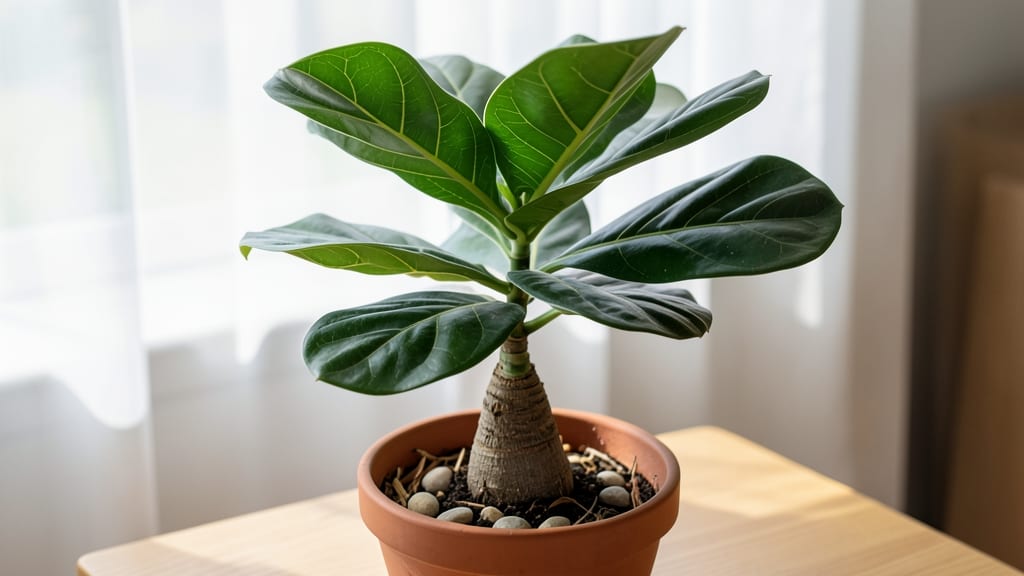
Your 5 finger leaf tree could be the easiest houseplant you’ll ever own—if you know the simple pruning secret that keeps it lush year-round. 🌿 I’ve had mine for years, and the key isn’t complicated: it’s about timing, sharp tools, and a little patience to shape those iconic fingers into a showstopper.
This tropical beauty thrives in bright, indirect light and well-draining soil, but the real magic happens when you prune after new growth appears. Snip just above a leaf node with clean scissors, and you’ll trigger bushier, fuller foliage in just a few weeks.
Overwatering is the only real enemy—let the top inch dry out between waterings, and you’ll avoid the dreaded yellow leaves.
With the right care, your tree will reward you with glossy, deep-green leaves that stay vibrant all year. The best part? You can propagate those pruned cuttings in water, giving you free plants to share with friends—or just expand your own collection.
No green thumb required, just a steady hand and a little attention to detail.
Whether you’re keeping it indoors near a sunny window or growing it outdoors in warm climates, the same care rules apply. The only difference is the size—outdoor trees can reach 10 feet tall, while indoor versions stay compact and manageable. Let’s get that pruning schedule set up!
Root Causes of Leaf Loss
If your Ficus microcarpa (commonly known as the 5-finger leaf tree) is shedding leaves, it’s usually a cry for help from the plant itself. Understanding the underlying triggers can save your tree—and your sanity. Below are the most common reasons why this happens, backed by science and practical insights.
One of the most frequent killers of 5-finger leaf trees is root rot, caused by soggy soil and poor drainage. This tropical tree thrives in well-draining soil but struggles when its roots sit in waterlogged conditions.
- Why it happens: Excess moisture cuts off oxygen to the roots, leading to anaerobic bacteria and fungi that decompose root tissue. Without roots to absorb water and nutrients, the tree drops leaves to conserve energy.
- Signs to watch for:
- Yellowing leaves (chlorosis) starting at the edges
- Mushy, black roots when checked
- Leaves wilting despite moist soil
- Actionable fix:
- Let the top 2–3 inches of soil dry out between waterings (stick your finger in to test).
- Repot in a container with drainage holes or amend garden soil with perlite/sand (50/50 mix).
- If root rot is severe, trim affected roots with sterilized pruners and treat with a fungicide like Mycorrhizal fungi.
The 5-finger leaf tree is hardy but has limits. Sudden temperature swings—whether a cold snap or scorching heat—can shock the plant into dropping leaves as a survival mechanism.
- Why it happens:
- Cold stress: Temperatures below 50°F (10°C) can damage cells, disrupting photosynthesis. Leaves may turn brown and crisp before falling.
- Heat stress: Prolonged exposure to above 90°F (32°C) without humidity causes transpiration to outpace water uptake, leading to leaf scorch.
- Signs to watch for:
- Leaves turning brown at the edges or tips
- Wilting even when soil is moist (heat stress)
- Leaf drop within 24–48 hours of temperature shifts
- Actionable fix:
- Move potted trees indoors or to a sheltered spot if temps drop below 50°F.
- In heatwaves, provide afternoon shade and increase humidity with a pebble tray or misting.
- Avoid placing near drafts (AC vents, heaters) or direct sunlight through windows.
This tree loves bright, indirect light but despises extremes. Too much sun causes leaf burn, while too little light weakens the plant, leading to leaf drop.
- Why it happens:
- Excessive sunlight: Direct rays (especially west-facing windows) create oxidative stress, causing brown, papery patches on leaves.
- Insufficient light: Leaves turn pale yellow (etiolation) as the tree stretches toward light, then drop due to poor energy production.
- Signs to watch for:
- White or yellow patches on leaves (sunburn)
- Leaves growing upward or elongating (light starvation)
- New growth appearing weak or sparse
- Actionable fix:
- Place in bright, filtered light (east or north windows) or 10–15 feet from a south-facing window.
- Use sheer curtains to diffuse harsh light.
- Rotate the pot weekly for even growth (prevents lopsided light exposure).
- Supplement with a grow light (12–14 hours/day) if natural light is insufficient.
Like Goldilocks, your 5-finger leaf tree needs the just-right balance of nutrients. Too little or too much fertilizer throws off its delicate chemistry, triggering leaf drop.
- Why it happens:
- Deficiencies: Lack of nitrogen (yellow leaves), magnesium (interveinal chlorosis), or iron (pale new growth) disrupts chlorophyll production.
- Overfertilization: Excess salts from fertilizers burn roots, preventing water/nutrient uptake. The tree sheds leaves to “reset.”
- Signs to watch for:
- Yellowing between leaf veins (magnesium deficiency)
- Brown leaf tips/crusty soil surface (fertilizer burn)
- Slow growth despite regular watering
- Actionable fix:
- Flush the soil with water to leach excess salts (repeat monthly if overfertilized).
- Use a balanced liquid fertilizer (10-10-10 or 20-20-20) every 4–6 weeks in spring/summer.
- For deficiencies, apply Epsom salt (magnesium) or chelated iron as needed.
- Avoid fertilizing in winter (dormant period).
Tiny pests like spider mites, scale, or mealybugs suck sap from leaves and stems, weakening the tree. Their damage stresses the plant, causing premature leaf drop.
- Why it happens:
- Pests pierce cells to feed, injecting toxins that disrupt nutrient flow.
- Heavy infestations clog stomata (pores), reducing photosynthesis.
- Signs to watch for:
- Sticky residue (honeydew) on leaves
- White webbing (spider mites) or cottony patches (mealybugs)
- Yellowing leaves with tiny black/brown spots
- Actionable fix:
- Isolate the plant to prevent spread.
- Wipe leaves with a neem oil solution (1 tsp neem oil + 1 quart water + drop of dish soap).
- Use an insecticidal soap or horticultural oil for severe infestations (follow label instructions).
- Prune heavily infested leaves/stems and dispose of them.
💡 Pro Tip: Keep a pruning journal! Note when leaf drop starts, recent changes (watering, light, pests), and weather conditions. Patterns will help you pinpoint the exact
Revive & Restore Your Tree’s Health
When your five-finger leaf tree (or Schefflera actinophylla) starts looking lackluster, the good news is most issues can be fixed with the right care. Below, we’ve mapped common problems to practical solutions—plus prevention tips to keep your tree thriving long-term.
Fix:
- Check the soil moisture 💧
- Stick your finger 1–2 inches deep—if it’s soggy, your tree is drowning. If it’s bone-dry, it’s thirsty.
- Solution: Water only when the top 1–2 inches of soil are dry. Use a pot with drainage holes to prevent root rot.
- Adjust watering habits 📅
- Overwatering? Let the soil dry out completely between waterings (usually every 7–10 days in warm weather, less in winter).
- Underwatering? Gradually increase moisture, but avoid soggy soil. A self-watering pot can help maintain consistency.
- Trim damaged leaves ✂️
- Snip off yellow or brown leaves at the base with sterilized scissors to redirect energy to healthy growth.
💡 Prevention Tips:
- Use well-draining potting mix (add perlite or orchid bark for aeration).
- Place your tree in bright, indirect light—avoid harsh afternoon sun or dim corners.
- Mist leaves weekly in dry climates to boost humidity.
Fix:
- Increase humidity 🌧️
- Place the pot on a pebble tray with water or use a humidifier nearby.
- Group plants together to create a microclimate.
- Check for fluoride toxicity 🚫
- If your tap water has high fluoride, use distilled or rainwater instead.
- Flush the soil monthly with water to reduce buildup.
- Prune affected tips ✂️
- Trim only the brown edges—don’t cut into green tissue. This prevents further damage.
💡 Prevention Tips:
- Wipe leaves monthly with a damp cloth to remove dust (helps them absorb moisture).
- Avoid placing near AC vents, heaters, or drafty windows.
- If using tap water, let it sit out for 24 hours before watering to reduce chemical exposure.
Fix:
- Move to brighter light ☀️
- South- or west-facing windows are ideal. If indoors, supplement with a grow light (12–14 hours/day).
- Rotate the pot weekly for even growth.
- Prune strategically ✂️
- Cut back overly long stems by 1/3 to encourage bushier growth.
- Focus on topping the tallest stems to trigger new side shoots.
- Fertilize lightly 🌱
- Use a balanced liquid fertilizer (10-10-10) every 4–6 weeks in spring/summer. Reduce in fall/winter.
💡 Prevention Tips:
- Don’t over-prune—remove only dead or leggy growth to maintain shape.
- Repot every 2–3 years in fresh soil to refresh nutrients.
- If outdoors, bring inside before temps drop below 50°F to avoid shock.
Fix:
- Isolate the plant 🛑
- Move it away from other houseplants to prevent spreading.
- Wipe down leaves 🧼
- Use a neem oil solution (1 tsp neem oil + 1 tsp mild soap per quart of water) or rubbing alcohol (70%) on a cotton swab to kill pests.
- Targeted treatments 💊
- Spider mites? Spray with water to knock them off, then apply insecticidal soap.
- Mealybugs/scale? Scrape off with a soft toothbrush or use horticultural oil.
💡 Prevention Tips:
- Inspect new plants before bringing them home (quarantine for 2 weeks).
- Encourage beneficial insects like ladybugs if outdoors.
- Avoid over-fertilizing—weak plants attract pests.
If your tree is severely stressed (e.g., root rot, extreme leaf drop), try this emergency revival plan:
- Trim back 1/3 of the foliage to reduce stress on the roots.
- Repot in fresh, sterile soil with perlite for drainage.
- Water lightly, then stop fertilizing for 4 weeks to let roots recover.
- Move to bright, indirect light and increase humidity.
🌿 Remember: Most issues are fixable with patience and consistency. Your five-finger leaf tree is resilient—give it the right conditions, and it’ll bounce back lush and green in no time!
Frequently asked questions
How often should I prune my 5 finger leaf tree?
Prune your tree lightly every 3-4 months to maintain its shape and encourage bushier growth. Focus on removing yellow or damaged leaves and trimming leggy stems back to a leaf node. For major shaping, do this once a year in spring when new growth appears. Always use clean, sharp scissors to avoid damaging the plant.
Can I grow a 5 finger leaf tree outdoors in cold climates?
This tropical plant thrives outdoors only in USDA zones 10-11 where temperatures stay above 50°F (10°C) year-round. In colder areas, grow it as a container plant and bring it indoors before the first frost. Even in warm climates, protect it from harsh afternoon sun to prevent leaf burn.
Why are my 5 finger leaf tree's leaves turning yellow?
Yellow leaves usually indicate overwatering or nutrient deficiencies. Check the soil moisture—if it's soggy, reduce watering. Yellowing between leaf veins may signal magnesium deficiency (try Epsom salt). Brown tips often mean fluoride buildup from tap water. Always use well-draining soil and water only when the top 1-2 inches are dry.
How big will my 5 finger leaf tree grow indoors?
Indoors, this tree typically stays between 3-6 feet tall with proper pruning. Regular trimming of the top growth encourages bushier, more compact growth. Without pruning, it can grow taller but may become leggy. For smaller spaces, prune more frequently to maintain a 2-3 foot height. Rotate the pot occasionally for even growth.
Can I propagate my 5 finger leaf tree from cuttings?
Take 4-6 inch cuttings from healthy stems, making clean cuts just below a leaf node. Remove lower leaves and place the cutting in water or moist perlite mix. Keep in bright, indirect light and change the water weekly. Roots should appear in 2-4 weeks. Once rooted, transplant to soil when established.