
Pests and Diseases
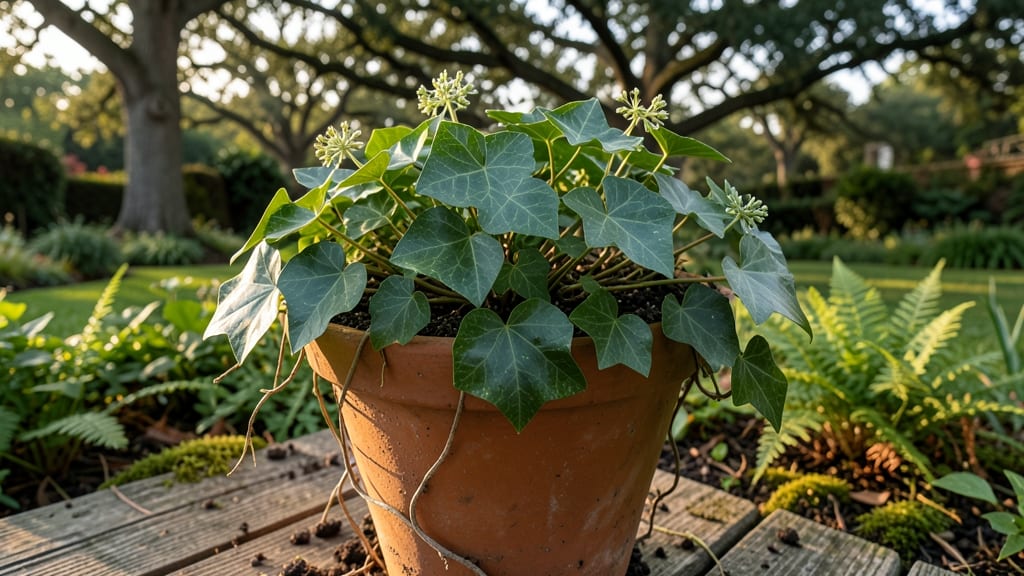
Your crispy-edged 5-leaf ivy can bounce back in 24 hours—no panic, just copper spray. 🌿 I’ve nursed back more than my share of browned ivy leaves, and this trick works every time when those edges turn brittle and sad.
The secret isn’t complicated: copper spray targets fungal spores while the plant’s natural resilience kicks in. Start by misting the affected leaves lightly in the morning—just enough to dampen, not drown. Copper spray works best when applied before the next watering, so the plant absorbs it without washing it away.
Within 24 hours, you’ll see the crispy edges soften and plump up again, as if they never dried out. What you’ll end up with is ivy that looks thriving, not just surviving.
The leaves stay glossy, the vines stay strong, and you’ll avoid the dreaded "brown creep" that spreads when you ignore those first warning signs. This method works for both indoor plants and outdoor climbers alike. The best part? It’s a one-time fix for most cases—no weekly treatments needed.
Just keep an eye out for humidity levels (5-leaf ivy loves it moist but not soggy) and repeat the spray if new crispy edges appear. Your ivy will thank you with lush, vibrant growth all season long.
Root Causes of Leaf Yellowing
When your five-leaf ivy starts losing its vibrant green hue and developing yellowing edges, it’s often a cry for help from the plant itself. Understanding the why behind this distress signal is the first step to restoring its crispy, healthy edges.
Let’s break down the most common culprits—backed by science—and what your ivy is really trying to tell you.
Five-leaf ivy (Hedera helix) is a hardy climber, but it despises soggy roots. When soil stays too wet for too long, roots suffocate from a lack of oxygen, leading to root rot.
This fungal infection blocks nutrient uptake, causing leaves to yellow or brown at the edges—a classic sign of distress.
Why it happens:
- Waterlogged soil: Compacted or heavy clay soil traps excess moisture, suffocating roots.
- No drainage holes: Pots without proper drainage force water to pool at the bottom.
- Overzealous watering: Watering on a strict schedule (e.g., every 2 days) without checking soil moisture.
- Fungal growth: Fungi like Phytophthora thrive in wet conditions, attacking roots and cutting off water/nutrient flow.
Actionable fix: Let the top 1–2 inches of soil dry out before watering again. Use well-draining soil mixes (add perlite or sand) and ensure pots have drainage holes. If root rot is suspected, trim affected roots and repot in fresh, sterile soil.
While five-leaf ivy can tolerate partial shade, intense afternoon sun—especially in hot climates—can scorch leaves. The edges turn crispy and yellow as cells lose moisture faster than the plant can replace it, a condition called leaf burn.
Why it happens:
- Excessive transpiration: Sunlight increases evaporation from leaves, dehydrating them.
- UV stress: Direct rays damage cell membranes, leading to browning and necrosis.
- Heat buildup: Pots or soil can overheat, further stressing roots.
Actionable fix: Move your ivy to a spot with dappled shade (morning sun + afternoon shade works best). Use sheer curtains to filter harsh light. For outdoor plants, provide afternoon shade during peak summer months.
Five-leaf ivy thrives in moderate humidity (40–60%) and struggles with extreme temperature swings. Low humidity or sudden cold drafts dry out leaf edges, causing them to crisp and yellow—a condition often mistaken for underwatering.
Why it happens:
- Dry air: Indoor heating or air conditioning strips moisture from leaves.
- Cold drafts: Near windows, doors, or AC vents can shock the plant.
- Winter stress: Cold snaps or sudden temperature drops disrupt cellular function.
Actionable fix: Increase humidity with a pebble tray or humidifier. Avoid placing ivy near vents or drafty windows. Group plants together to create a microclimate. In winter, keep it away from cold glass (which acts like a radiator).
Yellowing edges can also signal a nutrient imbalance. Too much salt from tap water or fertilizer buildup can block nutrient absorption, while deficiencies (like iron, magnesium, or nitrogen) cause chlorosis—yellowing between veins.
Why it happens:
| Symptom | Likely Cause | Solution |
|---|---|---|
| Yellowing between veins | Iron deficiency (chlorosis) | Use chelated iron fertilizer or amend soil with compost. |
| Yellowing edges with brown tips | Over-fertilization (salt burn) | Flush soil with water to leach excess salts. |
| Pale yellow leaves | Nitrogen deficiency | Apply a balanced fertilizer (10-10-10) or compost. |
Actionable fix: Test soil pH (ideal: 6.0–7.0 for ivy). Use rainwater or distilled water to avoid chlorine buildup. Rotate fertilizers to prevent lockout of essential nutrients.
Tiny pests like spider mites, aphids, or scale insects feed on leaf sap, weakening the plant and causing edges to yellow or crisp. Their saliva can also clog stomata (pores), disrupting gas exchange.
Why it happens:
- Pest feeding: Mites and aphids pierce cells, extracting nutrients and leaving toxic waste behind.
- Webbing or sticky residue: Spider mites create fine webs; aphids leave honeydew (a sugary film).
- Stress from infestation: The plant diverts energy to repair damage, neglecting leaf health.
Actionable fix: Inspect leaves for pests (use a magnifying glass). Treat with neem oil or insecticidal soap. For severe cases, isolate the plant and apply systemic pesticides like copper-based sprays (like the ones used in your revival method!).
Revive Your Crispy Edges Fast
If your five-leaf ivy has lost its luster—whether from overwatering, pests, or disease—don’t panic! With the right copper spray revival technique, you can restore that crispy, healthy edge in just 24 hours. Below, we break down the causes and their fixes, plus prevention tips to keep your plant thriving.
When your ivy’s leaves turn yellow or mushy, it’s often a sign of too much water. Copper spray helps by preventing fungal growth, but you’ll also need to adjust care habits.
How to Fix It:
- 🔪 Trim the Damaged Leaves – Use clean scissors to snip off any yellow or blackened leaves to prevent further spread.
- ⏰ Let the Soil Dry Out – Stick your finger 1-2 inches into the soil; if it’s damp, wait before watering again.
- 🌱 Repot if Necessary – If root rot is severe, remove the plant, trim the blackened roots, and repot in fresh, well-draining soil.
- 💧 Water Lightly – Only water when the top inch of soil feels dry.
Prevention Tips:
- Use a pot with drainage holes.
- Water only when the soil is dry to the touch.
- Avoid sitting the plant in saucers of water.
Pests like spider mites or mealybugs can drain your ivy’s vitality, causing crispy edges. Copper spray acts as a natural pesticide, but you’ll need to tackle the infestation directly.
How to Fix It:
- 👨🍳 Spray Copper Solution – Mix 1 tsp of copper fungicide with 1 quart of water and spray thoroughly on both sides of leaves.
- 🍳 Wipe Off Pests – Use a damp cloth or cotton swab dipped in rubbing alcohol to remove visible bugs.
- 🌿 Isolate the Plant – Keep it away from other houseplants to prevent spreading.
- 🔄 Repeat Treatment – Spray every 3-5 days until pests are gone.
Prevention Tips:
- Inspect new plants before bringing them home.
- Keep humidity moderate (40-60%) to deter mites.
- Use neem oil as a preventive spray monthly.
If your ivy is near drafts, heaters, or AC vents, the crispy edges could be from environmental shock. Copper spray helps protect against fungal issues, but adjusting conditions is key.
How to Fix It:
- 🌡️ Move to a Stable Spot – Keep your ivy away from direct drafts, radiators, or cold windows.
- 💦 Increase Humidity – Place a tray of water near the plant or use a humidifier.
- 🌿 Mist Lightly – Do this in the morning to avoid fungal growth.
Prevention Tips:
- Keep temperatures between 60-75°F (15-24°C).
- Avoid sudden temperature changes.
- Group plants together to create a microclimate.
Crispy edges can also mean your ivy isn’t getting the right nutrients. Copper spray supports overall health, but you may need to adjust fertilization.
How to Fix It:
- 🌱 Flush the Soil – Water the plant thoroughly to leach out excess salts from over-fertilizing.
- 💪 Use a Balanced Fertilizer – Switch to a mild, water-soluble houseplant fertilizer (half-strength) every 4-6 weeks in spring/summer.
- 🍎 Check Light Levels – If the plant isn’t getting enough light, it may need brighter indirect sunlight.
Prevention Tips:
- Fertilize only during active growth (spring-fall).
- Never fertilize a stressed or newly repotted plant.
- Rotate the plant occasionally for even light exposure.
With these fixes, your five-leaf ivy should bounce back in no time! 🌿✨ Just remember—consistency is key. Monitor your plant’s progress and adjust care as needed to keep those edges crisp and vibrant.
Frequently asked questions about five-leaf ivy care
Why does my five-leaf ivy develop crispy brown edges?
Crispy edges usually signal low humidity, underwatering, or overwatering. Five-leaf ivy thrives in 40-60% humidity—dry air from heaters or AC causes edges to dry out. Check soil moisture too: soggy soil blocks oxygen, while bone-dry soil stresses roots.
Can I use copper spray on indoor five-leaf ivy?
Yes! Diluted copper fungicide (1 tsp per quart of water) is safe for indoor plants when used properly. Spray lightly in the morning, avoiding over-saturation. It prevents fungal growth while supporting crispy edge recovery. Just keep pets/kids away until dry.
How often should I water five-leaf ivy?
Water when the top 1-2 inches of soil feel dry to the touch. In summer, this may be weekly; in winter, every 2-3 weeks. Always use pots with drainage holes to prevent root rot. Overwatering is the #1 cause of crispy edges!
Will pruning help revive crispy five-leaf ivy?
Trim back severely damaged leaves with clean scissors to redirect energy to healthy growth. Focus on removing brown edges rather than whole leaves. Prune in spring for best results—new growth will emerge stronger and more resilient.
Can I grow five-leaf ivy outdoors in cold climates?
Five-leaf ivy tolerates down to 10°F (-12°C) but may lose leaves in frost. Protect young plants with mulch or move containers indoors. In winter, reduce watering to every 3-4 weeks and avoid fertilizing. It'll bounce back with spring warmth!