
Planting
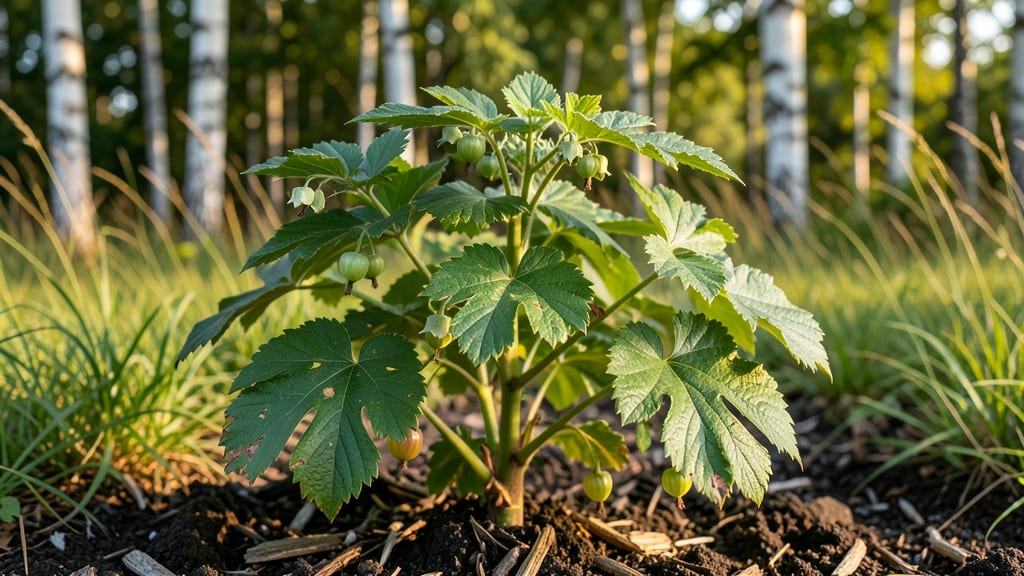
That five-leafed jagged-edge plant you're eyeing? It's likely hemp (Cannabis sativa)—not the illegal kind, but the legal, fiber-rich variety with those signature serrated leaves. 🌿 I’ve grown mine from cuttings, and the trick is patience: those jagged edges mean it’s thriving, not struggling.
The key to propagation lies in humidity, light, and rooting hormones—skip those, and you’ll end up with leggy, weak stems.
Perfect growing conditions start with bright, indirect light (think morning sun, afternoon shade) and well-draining soil—sandy loam works best. Water when the top inch feels dry, but avoid soggy roots; hemp hates wet feet.
If you’re in a cooler climate, a greenhouse or indoor grow light speeds up rooting. My cuttings took 3-4 weeks to establish roots when kept in a humid propagator.
Once rooted, your jagged-leafed plants will reward you with fast growth—expect 12-inch stems in a month if conditions are right. Prune regularly to encourage bushier foliage, and watch for spider mites (they love dry air).
The real payoff? Strong, fibrous stems perfect for crafts, rope, or even CBD extraction if you’re into that.
Safety note: While hemp is non-toxic, its cousin, poison ivy, has similar leaf shapes but three leaves (not five). Always verify before handling—rubbing poison ivy leaves triggers that infamous rash. For hemp, stick to certified seeds or cuttings from trusted sources to avoid surprises.
Understanding Jagged Leaf Causes
If your five-leafed plant is developing sharp, jagged edges instead of smooth, lush foliage, don’t panic—it’s often a sign of environmental or care-related stress. Below, we break down the most common reasons why this happens, backed by science, so you can diagnose and fix the issue before it worsens.
Plants are sensitive to sudden temperature swings, and jagged edges can be a cry for help when conditions become unstable. Here’s why:
- Cold Drafts: Exposure to cold air (below 60°F/15°C) can cause cellular damage, leading to irregular growth patterns. This is especially true for tropical or subtropical plants, which prefer consistent warmth.
- Heat Stress: While heat alone rarely causes jagged edges, combined with low humidity, it can disrupt the plant’s ability to retain moisture. The edges dry out faster, resulting in a "scorched" or jagged appearance.
- Nighttime Temperature Drops: A sudden drop in nighttime temperatures (e.g., from 75°F/24°C to 55°F/13°C) can shock the plant’s metabolic processes, causing uneven cell development.
Actionable Fix: Keep your plant in a stable environment—avoid placing it near windows, doors, or AC vents. Use a heat mat in winter or a small fan in summer to maintain gentle airflow without drafts.
Water is the lifeblood of your plant, and imbalances can lead to jagged edges. Here’s how:
- Underwatering: When soil dries out completely, the plant’s root system struggles to supply water to the leaf edges. This causes desiccation, where the outermost cells shrink and harden, creating a jagged, crispy appearance.
- Overwatering: While less common, soggy soil can lead to root rot, which restricts nutrient uptake. The plant may then prioritize survival over leaf development, resulting in stunted, irregular growth.
- Hard Water Buildup: Minerals like calcium and magnesium in hard water can accumulate on leaf edges, causing marginal scorch—a condition where the edges turn brown and jagged over time.
Actionable Fix:
- Check soil moisture before watering—stick your finger 1-2 inches deep. Water only when the top layer feels dry.
- Use distilled or rainwater if you suspect hard water issues.
- Ensure pots have drainage holes to prevent waterlogging.
Light is non-negotiable for plant health, and improper exposure can trigger jagged edges in subtle but noticeable ways:
- Direct Sunburn: Intense sunlight (especially in hot climates) can cause photodamage to leaf edges. The cells on the perimeter absorb more UV radiation, leading to browning and jaggedness.
- Insufficient Light: While less direct, low light stress can cause the plant to grow etiolated (stretched and weak). As it struggles to photosynthesize efficiently, leaf edges may develop irregularities.
- Uneven Light Distribution: If your plant is placed near a window but only receives light from one side, the exposed edges may dry out faster, while the shaded side remains soft.
Actionable Fix:
- Rotate your plant quarter-turn weekly to ensure even light exposure.
- Use sheer curtains to diffuse harsh afternoon sun.
- Supplement with a grow light if natural light is insufficient (12-14 hours/day).
Jagged edges can also signal that your plant isn’t getting the right nutrients—or is getting too much of something. Here’s what to watch for:
- Nitrogen Deficiency: Nitrogen is crucial for leaf development. A deficiency causes stunted growth and can lead to brittle, jagged edges as the plant prioritizes root expansion over foliage.
- Potassium or Calcium Imbalance: These minerals regulate cell structure. A lack of potassium can cause weak cell walls, while excess calcium (often from hard water) can lead to marginal necrosis (dead, jagged edges).
- Over-Fertilization: Too much fertilizer—especially synthetic blends—can burn roots, preventing nutrient absorption. The plant may then exhibit stress symptoms, including jagged leaves.
Actionable Fix:
- Test your soil with a DIY kit or send a sample to a lab for analysis.
- Use a balanced, organic fertilizer (like 10-10-10) and dilute it to half-strength.
- Flush the soil every 3-4 months with water to remove excess salts.
Sometimes, jagged edges aren’t due to care mistakes—they’re a sign of unwanted guests. Here’s how pests and diseases can cause this issue:
- Spider Mites or Aphids: These tiny pests feed on sap, particularly along leaf edges. Their feeding disrupts cell development, leading to jagged, distorted growth.
- Fungal Infections (e.g., Powdery Mildew): Fungi thrive in humid conditions and can cause leaf distortion as they spread. The edges may appear crinkled or scorched due to fungal activity.
- Bacterial Leaf Spot: Bacteria like Xanthomonas can infect leaf margins, causing water-soaked, jagged lesions that expand over time.
Actionable Fix:
- Inspect leaves daily for pests (look for webbing, sticky residue, or tiny bugs).
- Wipe leaves with a neem oil solution (1 tsp neem oil + 1 quart water) to deter pests.
- Remove infected leaves immediately and sterilize pruners with rubbing alcohol.
- Improve airflow with a small fan to reduce humidity-related fungal growth.
Pro Tip: 💡 Keep a plant care journal to track watering, light, and temperature changes. If jagged edges appear after a specific event (e.g., moving the plant or fertilizing), you’ll quickly identify the culprit!
Fixing Jagged Edges in Your Plant
Now that you know why your five-leafed plant (or any foliage with jagged edges) might be developing irregularities, let’s tackle the fixes—step by step—so you can restore those lush, sharp leaves to their former glory.
Whether it’s pest damage, environmental stress, or nutrient imbalances, these solutions are designed to be practical, fast, and foolproof. Plus, we’ll throw in some prevention tips to keep your plant thriving long-term.
Before diving into fixes, pinpoint the root cause (or causes) from the previous section. Common triggers include:
- Pests (spider mites, aphids, thrips)
- Overwatering or underwatering
- Nutrient deficiencies (especially nitrogen or magnesium)
- Physical damage (wind, pets, rough handling)
- Environmental stress (drafts, extreme temps, poor lighting)
Pro Tip: 💡 Inspect closely—flip leaves over, check stems, and observe growth patterns. A magnifying glass helps spot tiny pests!
If pests are the culprit, act fast—they multiply quickly and weaken plants.
🔪 For Spider Mites & Aphids
- Isolate the plant 🛡️ to prevent spreading.
- Blast them off with a strong spray of water (use a hose or spray bottle).
- Neem oil solution (1 tsp neem oil + 1 tsp mild soap + 1 quart water).
Spray every 5–7 days until gone. 4. Introduce beneficial insects like ladybugs or lacewings for long-term control.
🐛 For Thrips or Mealybugs
- Wipe leaves with a soapy water cloth (1 tsp dish soap per gallon of water).
- Apply horticultural oil (follow label instructions) to suffocate pests.
- Prune heavily infested leaves and dispose of them in a sealed bag.
Prevention Tip: ✨ Keep humidity moderate (40–60%)—pests love dry, dusty leaves!
Jagged edges from water stress? Let’s fix that.
💧 If Overwatered (Yellowing, Mushy Leaves)
- Stop watering immediately and let the soil dry out completely.
- Repot if needed into fresh, well-draining soil (add perlite or sand).
- Check drainage—ensure pots have holes, and saucers are empty after watering.
🌵 If Underwatered (Crispy, Brown Edges)
- Water deeply until it drains from the bottom.
- Mist leaves (if your plant loves humidity) to prevent further stress.
- Use a moisture meter to track soil dampness—aim for consistently moist but not soggy.
Pro Tip: 🌡️ Finger test > schedule—stick your finger 1–2 inches into the soil. If dry, water; if damp, wait.
Jagged edges from deficiencies? Feed your plant right.
| Symptom | Likely Deficiency | Fix |
|---|---|---|
| Yellowing between veins | Magnesium (Chlorosis) | Spray or water with Epsom salt (1 tbsp per gallon, monthly). |
| Pale or weak new growth | Nitrogen | Use a balanced fertilizer (10-10-10) or fish emulsion. |
| Stunted growth | Phosphorus | Apply bone meal or a phosphorus-rich fertilizer. |
Prevention Tip: 📊 Fertilize seasonally—spring and summer for growth, lightly in fall/winter.
- Shield from drafts 🌬️ (AC vents, open windows) by moving plants away from direct airflow.
- Trim rough edges 🔪 with clean scissors to encourage smoother regrowth.
- Rotate plants weekly 🌀 to ensure even light exposure (prevents lopsided stress).
- Use a sheer curtain 🏠 near windows to filter harsh sunlight if leaves scorch.
Recovery takes time—patience is key!
- Check leaves weekly for new damage or pests.
- Adjust care gradually (e.g., if overwatering was the issue, ease back into watering slowly).
- Take cuttings 🌱 of severely damaged leaves to propagate new, healthy growth.
To keep your five-leafed plant (or any jagged-edged beauty) looking sharp: ✅ Inspect regularly for pests or early signs of stress. ✅ Match watering to the plant’s needs—don’t guess! ✅ Fertilize smartly—more isn’t always better. ✅ Protect from extremes—temperature, light, and drafts matter. ✅ Prune proactively—trim damaged leaves before they worsen.
With these steps, your plant’s edges should smooth out and strengthen in 4–8 weeks. And remember: Healthy leaves = happy plant! 🌿✨
Frequently asked questions
What are the most common plants with five jagged-edged leaves?
The most likely candidates are hemp (Cannabis sativa) and poison ivy (Toxicodendron radicans). Hemp has 5-7 serrated leaves with jagged edges, while poison ivy has 3 leaflets (not 5) but similar jagged shapes. Always verify before handling—poison ivy causes severe rashes!
How can I tell if my jagged-leafed plant is hemp or poison ivy?
Check the leaf count: hemp has 5-7 leaves per cluster, while poison ivy has 3 leaflets per stem. Also, hemp leaves are palmate (fan-shaped) with jagged edges, while poison ivy's edges are smoother and the stems have a milky sap. Never touch unknown plants!
Why do hemp leaves develop jagged edges when grown indoors?
Indoor hemp often gets jagged edges due to low humidity or inconsistent light. The edges dry out faster than the center, creating those sharp points. Use a humidifier (50-70% humidity) and provide 12-16 hours of bright light daily to prevent this.
Can I propagate hemp from cuttings with jagged leaves?
Yes! Healthy cuttings with jagged edges can root successfully. Use rooting hormone and keep in a humid propagator with 70-80°F temperatures. The jagged edges won't affect rooting—focus on the stem's health. Expect roots in 2-4 weeks with proper care.
What should I do if my plant's jagged edges turn brown and crispy?
This usually means underwatering or low humidity. Water deeply when the top inch of soil feels dry, and increase humidity with a pebble tray or misting. Avoid letting the plant sit in dry air—hemp thrives in moderate humidity (40-60%).