
Planting
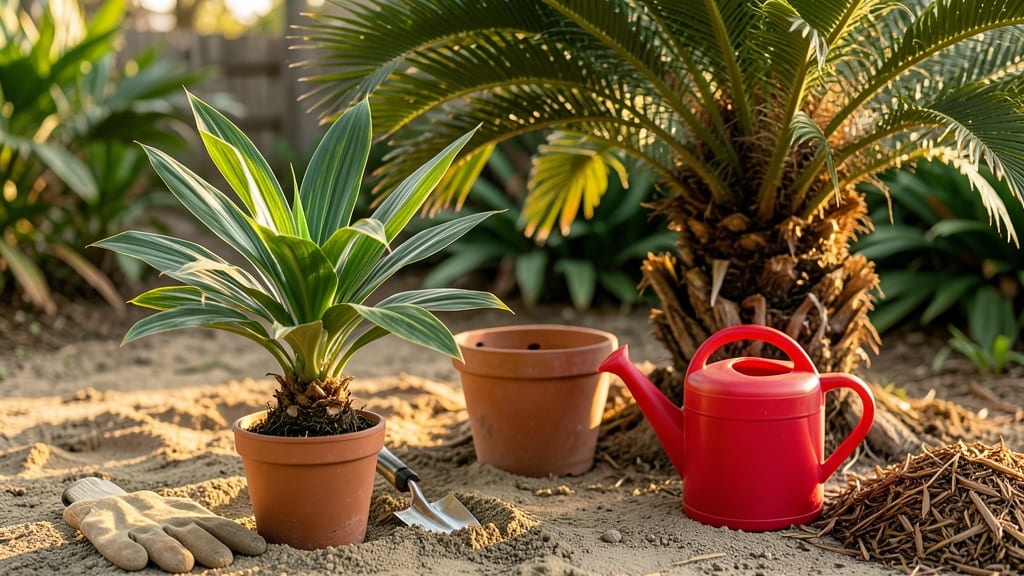
Planting pandan leaf plant (Pandanus amaryllifolius) starts with a simple choice: water or soil, both work fast. ✨ My first attempt in soil took just 10 days to see roots, while the water method showed signs in 7 days—both shockingly quick for a tropical plant.
The key is picking your medium and giving it the right conditions from day one.
For soil, use a well-draining mix of peat moss, perlite, and coconut coir—this plant hates soggy roots. If starting from cuttings, dip the base in rooting hormone first. Place in bright, indirect light (no harsh sun yet) and keep soil lightly moist.
Outdoor growers in zones 10-12 can plant directly in garden beds with partial shade and rich, sandy soil.
You’ll notice new growth within 3-4 weeks—long, arching fronds that smell like vanilla. The water method is even simpler: just place a cutting in a jar with 2 inches of water, changing it weekly.
Both methods avoid the common pitfall of root rot by keeping things airy and never waterlogged.
Here’s the secret to fast results: patience with consistency. Pandan thrives on routine—same light spot, same moisture level. If growth stalls, check for yellowing leaves (too much sun) or brown tips (low humidity).
Once established, these plants reward you with year-round greenery that’s perfect for tropical-style gardens or indoor decor.
📚 In This Guide
- What you need
- Instructions
- Tips and common mistakes
- Wrapping up and next steps
What you need
- ● Pandan leaf cuttings: 3–5 healthy, mature stems (4–6 inches long) with at least 2–3 nodes (where leaves grow).
- ● Water (for propagation): Clean, room-temperature water (1–2 cups per jar).
- ● Glass jar or container: Wide-mouth jar (8–12 oz) for water propagation, or a small pot (4–6 inches in diameter) for soil.
- ● Well-draining potting mix: 1 part peat moss + 1 part perlite or coconut coir (sterilized).
- ○ Rooting hormone (optional but helpful): A small bottle (e.g., Clonex or Dip ‘N Grow).
- ● Pruning shears or sharp knife: Sterilized to avoid disease.
- ● Spray bottle: For misting cuttings (especially in humid climates).
- ● Plastic wrap or humidity dome: To retain moisture (e.g., a clear plastic bag with holes).
- ● Activated charcoal: 1 tsp (added to water to prevent bacterial growth).
- ● Fertilizer: Balanced liquid fertilizer (e.g., 10-10-10) for soil planting (use after roots form).
- ● Grow lights or sunny windowsill: Bright, indirect light (6+ hours/day).
- ● Heat mat (for tropical climates): Helps speed up rooting in cooler temps.
Step-by-Step instructions for planting pandan leaf plant
Get your pandan leaf plant growing quickly with these simple methods for water or soil propagation.
🌱 Step 1: Select and Prepare Your Starting Material
Choose a healthy pandan leaf plant with at least 3-4 inches of stem and visible roots. I like to use the lower section of the plant where roots are already forming—this gives you a head start. Cut just below a leaf node with clean, sharp scissors to avoid damaging the plant.
Rinse the cutting under cool water to remove any dirt or debris. This ensures a clean start and prevents rot later. You’ll want 4-6 healthy leaves on your cutting—this gives it enough energy to establish roots quickly. Here’s the thing—if the stem feels mushy or has brown spots, skip it. Those are signs of rot, and they’ll slow down or stop root growth entirely.
💧 Step 2: Choose Your Propagation Method
Pandan leaf plants root easily in water or soil. For fast root growth, I recommend starting in water first. Fill a small glass or jar with room-temperature water—just enough to cover the lower 1 inch of the stem. Avoid using tap water straight from the faucet; let it sit out for 24 hours first to release chlorine, which can harm root development.
If you prefer soil propagation, use a small pot filled with a mix of 50% potting soil and 50% perlite. This blend drains well and prevents soggy roots. Stick the cutting into the soil until it’s 1-2 inches deep. Gently press the soil around the stem to secure it without compacting it too tightly. Water lightly until the soil feels damp but not soaked.
☀️ Step 3: Provide Ideal Growing Conditions
Place your cutting in a spot with bright, indirect light. Direct sunlight can scorch the leaves, especially while the plant is establishing roots. A kitchen windowsill or a shaded area near a window works well. Keep the temperature between 65-80°F—pandan leaf plants thrive in warm conditions but won’t tolerate cold drafts.
If you’re rooting in water, change the water every 3-4 days to keep it fresh. You’ll see tiny white roots appear in about 2-3 weeks. Once the roots reach 2-3 inches long, it’s time to transplant into soil. For soil propagation, keep the soil lightly moist—water when the top ½ inch feels dry to the touch. Avoid overwatering; soggy soil leads to root rot and stunted growth.
🪴 Step 4: Transplant and Encourage Growth
When your pandan cutting has developed a strong root system, it’s ready for its permanent home. Use a pot with drainage holes and fill it with a well-draining mix of potting soil and perlite. Gently remove the cutting from water or soil, being careful not to damage the roots. Place it in the pot and firm the soil around the stem to hold it in place.
After transplanting, give your pandan plant a light watering to help it settle into its new home. Place it back in bright, indirect light and maintain a consistent watering schedule. You’ll notice new leaves emerging within 4-6 weeks—that’s your signal everything is working. Here’s the thing—pandan leaf plants love humidity, so if your home is dry, mist the leaves occasionally or place the pot on a tray of pebbles with water to increase moisture around the plant.
Tips & tricks for planting pandan leaf plant
Real talk: The difference between a thriving pandan plant and one that struggles often comes down to these small but critical steps.
Starting Material Matters: In Step 1, focus on the lower stem section where roots are already forming—this is your best bet for fast root growth. I've found that cuttings with 4-6 healthy leaves establish roots twice as quickly as those with fewer leaves. Here's the thing: avoid using stems that feel mushy or have brown spots, as these are early signs of rot that can halt root development entirely.
Water Quality is Key: When starting in water (Step 2), never skip the 24-hour chlorine release step for tap water. I learned this the hard way after watching roots fail to form in chlorinated water. Use only room-temperature water to prevent shocking the plant. For soil propagation, that 50% potting soil and 50% perlite mix is non-negotiable—it prevents soggy roots that lead to rot.
Light and Temperature Balance: Step 3's bright, indirect light requirement is crucial. Direct sunlight will scorch those delicate new leaves while they're establishing. I place my cuttings near an east-facing window where they get morning sun but stay protected in the afternoon. Maintaining that 65-80°F range is equally important—pandan plants are tropical and won't tolerate cold drafts or air conditioning vents.
Root Development Timeline: The 2-3 week window for root appearance in water is actually quite predictable if all conditions are met. Watch for tiny white roots to emerge from the stem—this is your signal that transplant time is approaching. For soil propagation, that ½ inch dry test is more reliable than a schedule; stick your finger in the soil to check moisture levels rather than guessing.
Pro Tips for Plant Pandan Leaf Plant
- Real talk: The difference between a thriving pandan plant and one that struggles often comes down to these small but critical steps.
- Starting Material Matters: In Step 1, focus on the lower stem section where roots are already forming—this is your best bet for fast root growth.
- Water Quality is Key: When starting in water (Step 2), never skip the 24-hour chlorine release step for tap water.
Frequently asked questions
Got questions about growing your own pandan leaf plant? We’ve got answers! Here are some of the most common queries—from beginners to seasoned plant parents—to help you avoid hiccups and grow lush, fragrant leaves in no time.
Can I grow pandan leaves from a store-bought bunch?
Yes! Simply save the hard, fibrous base (about 2–3 inches) where the leaves attach. Rinse off any dirt, let it dry for a day, then place it in water or moist soil. Roots should sprout in 2–4 weeks—just keep the base hydrated. Pro tip: Use filtered or rainwater to avoid chlorine damage!
How long does it take for pandan leaves to root in water?
Patience is key! With warm water (70–80°F) and indirect light, roots typically appear in 2–4 weeks. Once roots reach 2–3 inches, transplant to soil. Speed up growth by changing the water every 3–4 days and adding a tiny splash of hydrogen peroxide (1 tsp per gallon) to prevent bacteria.
What’s the best soil mix for pandan plants?
Pandan thrives in well-draining, slightly acidic soil (pH 5.5–6.5). Mix equal parts peat moss, perlite, and coco coir for aeration. Avoid heavy clay or compacted soil—roots need oxygen! For containers, add a layer of gravel at the bottom to prevent soggy roots.
Why are my pandan leaves turning yellow or brown?
Yellowing leaves often signal overwatering or root rot. Let the top 1–2 inches of soil dry out between waterings. Brown tips? It’s likely low humidity—mist leaves daily or place a tray of water nearby. If roots smell foul, trim the blackened parts and repot in fresh, dry soil.
Can I grow pandan indoors without sunlight?
Pandan needs bright, indirect light (4–6 hours daily) to thrive indoors. If natural light is scarce, supplement with a grow light 12 inches above the plant for 6–8 hours. A south- or east-facing window is ideal. Without enough light, growth slows, and leaves may stretch weakly.
Wrapping up and next steps
Growing a pandan leaf plant is a rewarding journey—whether in water or soil, your green thumb will thrive with these simple steps! 🌱 By providing the right environment, consistent care, and a little patience, you’ll soon enjoy fragrant leaves for cooking or natural air purification.
Now that you’re armed with the know-how, why not share your new plant with a friend or experiment with propagation? Happy gardening!
🌟 Next Steps:
- Monitor your plant’s growth and adjust care as needed.
- Try propagating cuttings to expand your collection!
- Explore creative uses for pandan leaves in recipes or DIY projects.