
Plants
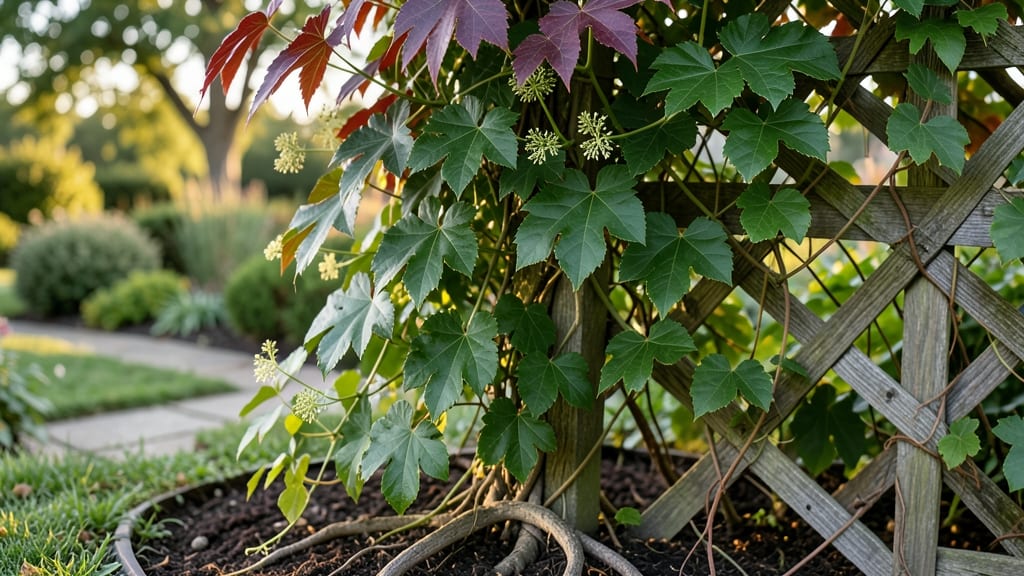
The 5-leaf vine ohio thrives in Ohio’s shade with its stunning five-leaf foliage and brilliant fall colors. 🌿 I’ve watched mine climb trellises and cover fences, transforming dull spaces into lush, living tapestries—all while requiring almost no maintenance.
This native vine handles Ohio’s humidity and clay soil better than most, making it the perfect shade plant for gardens, patios, or even city sidewalks. Just plant in well-draining soil, give it partial shade, and let it spread—it’ll reward you with vibrant green leaves that turn fiery red in autumn.
The best part? It’s not invasive like English ivy, and it provides food for birds while keeping your space cool in summer. With minimal pruning, you’ll enjoy decades of effortless beauty without the hassle of aggressive spread.
Ohio gardeners love it for its hardiness, wildlife benefits, and how it softens harsh corners. Here’s how to grow yours successfully!
Root Causes Of Leaf Loss
If your Parthenocissus quinquefolia—better known as the five-leaf vine—is shedding leaves in Ohio, don’t panic. This hardy plant is resilient, but a few key factors can trigger premature leaf drop. Understanding these causes helps you address the issue before it spreads.
Below, we break down the most common reasons why your vine might be losing leaves, along with clear explanations and actionable fixes.
🌡️ Temperature & Weather Shifts
The five-leaf vine thrives in Ohio’s climate but can struggle with sudden temperature swings, late frosts, or extreme heat. Ohio’s unpredictable weather—especially in spring and fall—can stress the plant, causing leaves to yellow and drop.
- Late Frosts: Young leaves are especially vulnerable to frost damage. If temperatures dip below 28°F (-2°C) after buds form, leaves may blacken and fall. Ohio’s inland valleys are particularly prone to frost pockets.
- Heat Stress: While the vine tolerates heat, prolonged temperatures above 90°F (32°C)
- Wind Burn: Strong winds dry out leaves faster than the vine can compensate, causing edges to crisp and leaves to detach. Ohio’s lake-effect winds near Lake Erie can worsen this.
Actionable Fix:
- Mulch around the base with 2–4 inches of organic matter (wood chips or shredded leaves) to insulate roots and moderate soil temperature.
- Use frost cloth or row covers in late spring if frost warnings persist.
- Water deeply 1–2 times per week during heatwaves to reduce stress (aim for 1–1.5 inches of water per week).
- Plant near a windbreak (like a fence or hedge) if your yard is exposed.
💧 Watering Woes: Too Much or Too Little
The five-leaf vine’s roots need consistent moisture, but Ohio’s clay-heavy soils and fluctuating rainfall can lead to either drought stress or waterlogged roots—both of which cause leaf drop.
- Underwatering: Leaves curl, turn brown at the edges, and drop when the vine doesn’t get enough water. Ohio’s dry spells (especially in summer) can dehydrate roots quickly, particularly in sandy or rocky soil.
- Overwatering: Soggy soil suffocates roots, leading to yellowing leaves, leaf drop, and even fungal diseases like Phytophthora. Clay soils in Ohio retain too much moisture, creating ideal conditions for root rot.
- Poor Drainage: If your vine is planted in a low-lying area or a container without drainage holes, excess water collects, strangling roots.
Actionable Fix:
- Test soil moisture by sticking your finger 2 inches deep—if it’s dry, water slowly until moisture reaches 6–8 inches down.
- Improve drainage by amending clay soil with compost or sand (aim for 20–30% organic matter).
- Water at the base of the plant (not overhead) to reduce evaporation and fungal risks.
- For container-grown vines, ensure pots have drainage holes and use a mix of potting soil and perlite.
☀️ Light & Location Struggles
While the five-leaf vine tolerates shade, Ohio’s varied light conditions—from dense forest edges to urban sidewalks—can confuse the plant, leading to leaf drop.
- Too Much Direct Sun: Young vines or those suddenly exposed to full sun (e.g., after a tree is removed) can develop sunburn, causing leaves to bleach, crisp, and fall. This is common in newly landscaped areas.
- Insufficient Light: In deep shade (e.g., under mature oaks or evergreens), the vine may produce sparse, weak leaves that drop prematurely due to lack of photosynthesis.
- Reflective Surfaces: Light-colored walls, fences, or pavement can intensify sunlight, acting like a magnifying glass and scorching leaves.
Actionable Fix:
- Gradually acclimate vines to sun by pruning nearby trees or moving containers to slightly sunnier spots over 2–3 weeks.
- Use light-colored mulch (like straw) to reflect excess heat away from roots.
- If planting near reflective surfaces, choose a north-facing wall or install a lattice with shade cloth for partial protection.
- In deep shade, consider fertilizing lightly with a balanced 10-10-10 NPK in early spring to boost growth.
🌱 Soil & Nutrient Imbalances
Ohio’s soil varies widely—from alkaline limestone in the east to acidic clay in the west—and poor soil health is a top reason for leaf drop in five-leaf vines.
- Nutrient Deficiencies:
- Nitrogen (N) Deficiency: Leaves turn pale green or yellow (especially older ones) and drop. Common in sandy soils or after heavy pruning.
- Potassium (K) Deficiency: Leaf edges brown and crisp (a condition called scorch), often seen in clay soils.
- Magnesium (Mg) Deficiency: Interveinal yellowing (between leaf veins) occurs, starting on older leaves.
- pH Issues:
- Five-leaf vines prefer slightly acidic to neutral soil (pH 6.0–7.0). Ohio’s soils often lean alkaline (pH 7.5+), locking out essential nutrients like iron and manganese.
- In alkaline soils, leaves may develop yellowing between veins (chlorosis) while veins stay green.
- Compacted Soil: Heavy foot traffic, construction, or clay soil can compact roots, restricting water and nutrient uptake, leading to stunted growth and leaf drop.
Actionable Fix:
- Test your soil with a home pH kit or send a sample to your local Ohio State Extension office for analysis.
- Amend soil with:
- Sulfur or peat moss to lower pH (if above 7.0).
- Compost or well-rotted manure to improve nutrient content.
- Gypsum (for clay soils) to break up compaction without altering pH.
- Fertilize in early spring with a slow-release 10-10-10 or organic compost tea to replenish nutrients.
- Avoid heavy foot traffic near the vine’s root zone.
🐛 Pests & Diseases Taking Hold
Ohio’s humid summers and mild winters create ideal conditions for pests
Quick Fixes for Common Vine Issues
Growing a thriving five-leaf vine (or Parthenocissus quinquefolia) in Ohio’s varied climate can be a breeze—once you know how to troubleshoot the most common problems.
Whether your vine is struggling with pests, poor growth, or environmental stress, these practical solutions will help you revive your plant and keep it lush year-round.
Cause: Overwatering, underwatering, or nutrient deficiencies Solution:
- Check soil moisture 💧—stick your finger 1–2 inches deep. If damp, hold off on watering; if dry, give it a deep drink.
- Adjust watering habits: Five-leaf vines prefer consistently moist (not soggy) soil. Water when the top inch feels dry, especially in Ohio’s hot summers.
- Boost nutrients 🌿 with a balanced fertilizer (10-10-10) in early spring. Too much nitrogen? Switch to a low-nitrogen, high-potassium formula to encourage root health.
- Prevention tip: 💡 Mulch around the base with 2–3 inches of organic mulch (like shredded bark) to retain moisture and regulate soil temperature.
Cause: Spider mites, aphids, powdery mildew, or fungal infections Solution:
- Spider mites & aphids 🕷️🐜:
- Spray with soapy water (1 tsp mild dish soap + 1 quart water) on affected leaves. Repeat every 3–5 days until pests vanish.
- Introduce beneficial insects like ladybugs or lacewings for natural control.
- Powdery mildew 🍄:
- Prune infected leaves immediately and dispose of them (don’t compost).
- Apply neem oil (1 tbsp per gallon of water) or a fungicide (like copper-based spray) every 7–10 days until the issue clears.
- Prevention: 🌡️ Improve air circulation by spacing plants properly and avoiding overhead watering.
- Root rot 🍄💦 (from overwatering):
- Stop watering immediately and let the soil dry out.
- Repot the vine in well-draining soil (mix garden soil with perlite or sand).
- Prevention: 🎯 Ensure pots have drainage holes and avoid waterlogging.
Cause: Slow growth, leggy stems, or weak vines Solution:
- Prune strategically ✂️:
- In early spring, trim back overly long or woody stems to encourage bushier growth.
- Remove dead or crossing branches to improve airflow.
- Provide support 🪜:
- Five-leaf vines are climbing vines—install a trellis, fence, or arbor to guide them upward. Without support, they may sprawl and weaken.
- Sunlight & shade balance ☀️🌑:
- While shade-tolerant, they thrive in partial shade (4–6 hours of sun). If growth is slow, gradually increase sunlight over weeks.
- Fertilize at the right time 📅:
- Early spring (March–April): Use a balanced fertilizer to kickstart growth.
- Mid-summer (July): Switch to a low-nitrogen, high-phosphorus fertilizer to support flowering and root development.
Cause: Cold damage, frost heave, or winter dieback Solution:
- Mulch heavily 🍂 (4–6 inches of straw or shredded leaves) before the first frost to insulate roots.
- Protect young vines 🌱 with burlap wraps or frost cloth if temperatures drop below 10°F.
- Avoid pruning in late fall—wait until early spring to trim dead growth.
- Prevention: ✨ Choose a sheltered spot (near a south-facing wall) to reduce wind exposure.
If your five-leaf vine looks severely wilted or crispy:
- Trim all dead foliage with clean pruners. 🔪
- Repot in fresh, well-draining soil if root-bound.
- Move to a shadier spot temporarily (if sunburned).
- Water deeply but avoid soggy soil.
- Monitor for 2 weeks—new growth should appear within 3–4 weeks if the roots are still healthy.
Final Pro Tip: 💡 Observe your vine weekly—catching issues early (like yellowing leaves or pest signs) makes fixes easier and more effective. With the right care, your five-leaf vine will thrive in Ohio’s climate, offering year-round greenery and stunning fall colors!
Frequently asked questions
Is the 5-leaf vine invasive in Ohio?
No, Virginia Creeper (Parthenocissus quinquefolia) is not considered invasive in Ohio. Unlike English ivy, it doesn’t smother trees or spread aggressively. Its roots stay in check, and it’s a great native option for gardens. Ohio’s native plants like this vine actually help local ecosystems by providing food for birds and shelter for wildlife.
Can I grow a 5-leaf vine in containers?
This vine thrives in containers as long as you use a well-draining potting mix and a pot with drainage holes. Choose a container at least 12 inches wide to accommodate its spreading roots. Repot every 2-3 years and prune regularly to control size. Just keep it near a trellis or fence for support.
How fast does Virginia Creeper grow?
This vine grows 10-20 feet per year under ideal conditions, though growth slows in deep shade. In Ohio’s climate, expect 5-10 feet annually with proper care. The key is consistent moisture and partial shade—it won’t reach its full potential if planted in dry, sunny spots or waterlogged areas.
What's the best time to prune my 5-leaf vine?
Prune in late winter or early spring (February-March) before new growth begins. Remove dead or weak stems first, then thin out crowded areas to improve airflow. You can also do light pruning in summer to control size, but avoid heavy pruning after mid-July as it may reduce next year’s foliage.
Does Virginia Creeper change color in fall?
Yes! The leaves turn stunning crimson red in autumn, making it a fantastic ornamental plant. The color intensity depends on sunlight—vines in partial sun show brighter colors than those in deep shade. Ohio’s climate provides perfect conditions for this seasonal transformation, often lasting 4-6 weeks before leaf drop.