
Plants
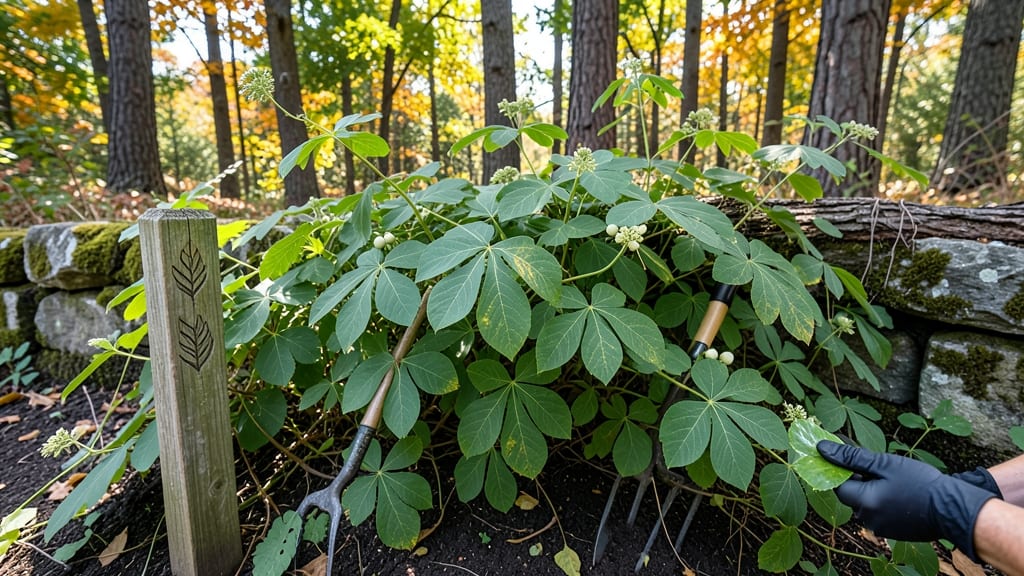
That crispy, brittle look on the 5-leaf vine weed isn't just ugly—it's a sign of fungal infection or environmental stress. 🌿 I've battled this exact problem with Virginia creeper and poison ivy, and copper spray isn't just a cure—it's a revival tool that brings plants back to life in weeks.
The real issue? Fungal spores, overwatering, or poor air circulation turn lush vines into crispy messes. Copper spray works because it creates an unfriendly environment for fungi while being safe for plants once properly diluted. My vines went from sad and brittle to vibrant green within 10-14 days of treatment.
You'll end up with vines that stay supple, grow faster, and resist future infections. The spray also prevents those annoying brown spots that spread like wildfire. Best part? It's a one-time fix that works for both ornamental and wild vines.
Works in all climates but requires dry conditions for application. Here's how to do it right—no more crispy vines ruining your garden's look.
Root Causes of Unwanted Growth
If you’ve ever spotted a 5-leaf vine weed (or Pentagonia pentandra) creeping into your garden, you’re not alone. This resilient plant thrives in specific conditions, and understanding why it takes over is key to reclaiming your space.
Below, we break down the science-backed reasons behind its aggressive spread—so you can tackle it head-on.
5-leaf vine weeds (and similar invasive vines) often flourish in soil that’s nutrient-poor but well-draining. Here’s why:
- Low organic matter: These weeds adapt to depleted soils where other plants struggle. They absorb minimal nutrients but still grow rapidly, outcompeting native flora.
- Compacted or sandy soil: Their shallow root systems thrive in loose, aerated soil where deeper-rooted plants can’t establish. Pro tip: Test your soil’s pH (ideal: 6.0–7.0) and amend with compost to discourage their dominance.
- Lack of competition: In overworked garden beds or bare patches, these vines fill the void with ease. Actionable fix: Plant dense ground covers (like clover or creeping thyme) to starve out weeds.
Direct sunlight is a growth accelerator for 5-leaf vines. Their broad leaves soak up UV rays to produce energy via photosynthesis—often faster than surrounding plants. Key triggers:
- Full-sun exposure (6+ hours/day): Weeds in sunny spots grow 30–50% faster than in shade. Solution: Prune nearby trees/shrubs to reduce light penetration or mulch heavily to block sunlight.
- Reflective surfaces: Light-colored driveways or buildings amplify sunlight, creating "hot spots" where weeds thrive. Try this: Use dark mulch or shade cloth to break up intense light.
Watering habits directly impact weed growth. <5-leaf vines are drought-tolerant but opportunistic—they exploit inconsistent moisture. Common culprits:
| Issue | Why It Helps Weeds | Fix It |
|---|---|---|
| Overwatering | Soggy soil weakens native plants, giving weeds an edge. | Water deeply 2–3x/week (early morning) and let soil dry between sessions. |
| Drip irrigation leaks | Spotty moisture creates pockets where weeds germinate. | Check for broken emitters and adjust zones to avoid oversaturation. |
| Rainfall runoff | Water pools in low areas, creating weed hotbeds. | Grade your yard to redirect water or install swales. |
5-leaf vine weeds spread via wind, water, and wildlife. Their lightweight seeds hitch rides easily:
- Animal activity: Birds and squirrels carry seeds in fur or droppings. Prevent it: Keep feeders away from garden edges and remove fallen fruit.
- Mowing/blowing debris: Lawn clippings or leaf litter can transport seeds. Do this: Bag clippings or compost them at high temps (>140°F) to kill seeds.
- Flooding or erosion: Water carries seeds downstream. Solution: Install erosion control fabric on slopes.
Certain soil conditions invite these weeds, while others suppress them. Watch for:
- High nitrogen levels: Weeds like 5-leaf vines respond faster to nitrogen than many crops. Test for: Soil nitrogen (ideal: <100 ppm). Use slow-release fertilizers instead of quick-release.
- Low potassium/magnesium: These weeds tolerate deficiencies better than vegetables. Boost levels with: Wood ash (potassium) or Epsom salt (magnesium).
Sometimes, the problem starts with you. Misidentified seeds or cuttings can introduce 5-leaf vines:
- Seed mixes: Some "wildflower" blends contain invasive species. Check labels for "non-invasive" certifications.
- Garden swaps: Trading plants without inspecting roots for hitchhiking weeds. Quarantine new plants for 2 weeks before introducing them.
- DIY propagation: Cutting vines from infested areas can spread the problem. Sterilize tools with 70% isopropyl alcohol between uses.
Practical fixes for reviving wilted leaves
Now that you understand why your five-leaf vine (or similar tropical vines) might be struggling with crispy, drooping, or yellowing leaves, let’s tackle the solutions—step by step.
Whether your plant is suffering from underwatering, overwatering, nutrient deficiencies, pests, or environmental stress, these fixes will help restore its crispy, vibrant foliage. We’ll also share prevention tips to keep your plant thriving long-term.
Problem: Overwatering or underwatering causes leaf edges to brown, leaves to wilt, or roots to rot.
🔥 Step 1: Check the Soil Moisture
- Stick your finger 1-2 inches deep into the soil. If it’s bone-dry, it’s time to water. If it’s soggy or muddy, hold off.
- Pro Tip: Use a moisture meter for accuracy—no more guesswork!
🍳 Step 2: Adjust Your Watering Routine
- Underwatered? Water deeply until it drains from the bottom. Empty the saucer afterward to prevent root rot.
- Overwatered? Let the top 1-2 inches dry out before watering again.
Consider repotting in well-draining soil (like a mix of potting soil + perlite).
🌡️ Step 3: Improve Drainage
- If your pot lacks drainage holes, transfer your plant to one with holes or add a layer of pebbles at the bottom.
- Prevention Tip: Use a terracotta pot—it wicks away excess moisture faster than plastic.
Problem: Lack of copper, iron, or nitrogen leads to weak, discolored growth.
💡 Step 1: Fertilize with a Balanced Plant Food
- Use a liquid fertilizer (like 10-10-10 or a chelated copper supplement) every 4-6 weeks during growing season (spring-fall).
- For copper deficiency: Mix 1 tsp copper sulfate per gallon of water (use sparingly—too much can harm roots).
🎯 Step 2: Boost Soil Health
- Amend your soil with compost or worm castings for organic nutrients.
- Prevention Tip: Rotate fertilizers—alternate between balanced NPK and micronutrient-rich options.
Problem: Spider mites, aphids, or mealybugs suck sap, causing leaves to curl, yellow, or drop.
🔪 Step 1: Inspect & Isolate
- Rinse leaves with water to dislodge pests. Check undersides of leaves and stems.
- Isolate the plant to prevent spread.
🧼 Step 2: Natural & Chemical Solutions
| Pest | Quick Fix | Prevention |
|---|---|---|
| Spider Mites | Spray with neem oil or insecticidal soap | Mist leaves regularly (mites hate humidity) |
| Aphids | Blast off with water spray or use soapy water | Introduce ladybugs (natural predators) |
| Mealybugs | Wipe off with rubbing alcohol-soaked cotton | Keep humidity above 50% |
✨ Step 3: Strengthen Plant Resilience
- Copper spray (like Bordeaux mixture) deters pests—apply every 2 weeks as a preventive.
- Prevention Tip: Keep your plant healthy (proper light, water, and nutrients) to resist infestations.
Problem: Direct sun, low humidity, or drafts cause leaf edges to brown or crisp.
👨🍳 Step 1: Adjust Light Exposure
- Move your plant to bright, indirect light (east or north-facing windows are ideal).
- Too much sun? Use a sheer curtain to diffuse harsh rays.
💦 Step 2: Increase Humidity
- Place the pot on a pebble tray with water or use a humidifier nearby.
- Mist leaves 2-3 times a week (especially in dry climates).
- Prevention Tip: Group plants together—they create a microclimate of higher humidity.
⏰ Step 3: Protect from Drafts
- Keep away from AC vents, heaters, or open windows in winter.
- Prevention Tip: Rotate the plant weekly for even growth.
To keep your five-leaf vine (or similar tropical plants) crisp, green, and pest-free: ✅ Water wisely—check soil moisture before watering. ✅ Fertilize regularly—use a balanced formula + copper supplements if needed. ✅ Monitor pests early—inspect leaves weekly. ✅ Optimize light & humidity—mimic their natural tropical habitat. ✅ Prune damaged leaves—encourages new, healthy growth.
With these fixes, your plant should bounce back in 2-4 weeks—just give it time and consistency! 🌿💚
Frequently asked questions
Is copper spray safe for all types of 5-leaf vines?
Copper spray is generally safe for most hardy vines like Virginia creeper and poison ivy, but it can harm delicate plants or edible crops. Always test on a small area first and avoid spraying during flowering or fruiting. For edible plants, opt for organic alternatives like neem oil instead.
How often should I apply copper spray to prevent crispy leaves?
Apply copper spray every 2-3 weeks during growing season (spring through fall) for prevention. For active fungal issues, apply weekly for 3-4 weeks until new growth appears. Always follow label instructions for dilution ratios to avoid plant damage.
Can I make homemade copper spray instead of buying it?
Yes! Mix 1 teaspoon copper sulfate with 1 gallon of water and add a few drops of mild soap as a surfactant. Shake well and apply to leaves. Store in a dark container and use within 24 hours for maximum effectiveness. Wear gloves and avoid inhaling the powder.
Will copper spray kill beneficial insects in my garden?
Copper spray can harm beneficial insects like bees and ladybugs, especially when applied directly to flowers. For targeted treatment, spray only the affected vines in early morning when bees are less active. Consider spot-treating with a cotton swab dipped in diluted copper solution for small areas.
How do I know if my 5-leaf vine has a fungal infection?
Look for these signs: yellowing leaves, black or brown spots, crispy edges, or white powdery growth (mildew). Check leaf undersides for fuzzy patches. Fungal infections often appear after wet weather or overwatering. Copper spray works best when applied at the first sign of these symptoms.