
Pests and Diseases
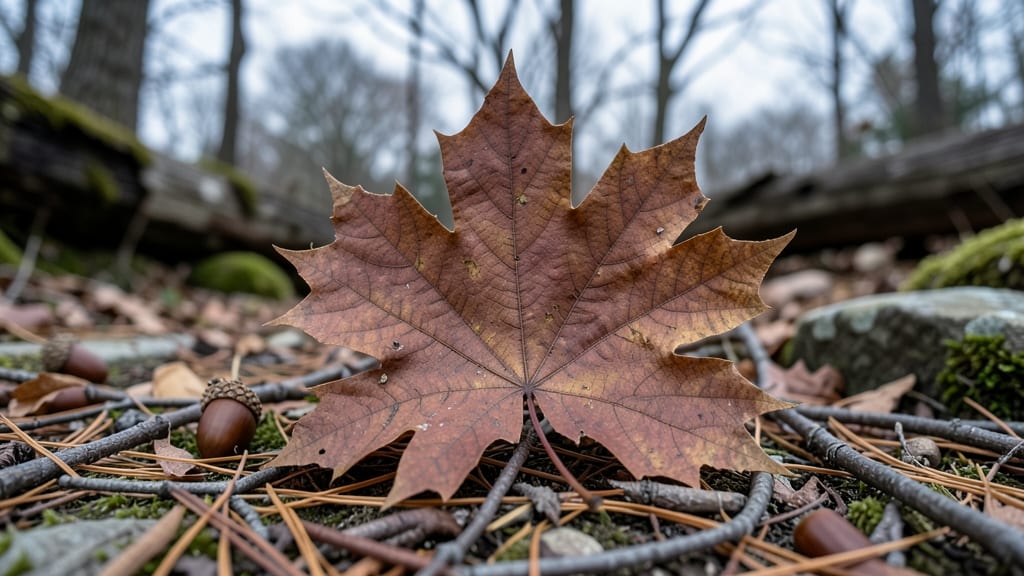
That single dead leaf with black spots could be the first sign of fungal trouble. 🌿 I’ve seen copper spray turn around entire plants when pruning alone wasn’t enough—it’s the secret weapon for stopping fungal spread before it takes over.
Fungal spots thrive in damp conditions, and once they appear, they multiply fast. The dead leaf you’re seeing might be just the beginning if you don’t act. Copper spray works by creating a protective barrier that disrupts fungal growth without harming your plants.
Within 7-10 days of treatment, you’ll notice new growth pushing through, and those ugly spots will fade. The key is applying it before rain washes it away and repeating every 2-3 weeks during wet seasons.
Works for roses, tomatoes, and even houseplants—just adjust the concentration for delicate foliage. Here’s exactly how to do it right the first time.
Understanding Fungal Spot Triggers
Fungal spots on leaves—often mistaken for simple browning or wilting—are usually a sign of pathogenic fungi thriving in your plants. But why do they appear in the first place? The answer lies in a mix of environmental stress, poor plant health, and microbial opportunism.
Let’s break down the key culprits behind this common garden woe and how they create the perfect storm for fungal infections.
Fungi love moisture—it’s their lifeblood. When leaves stay damp for prolonged periods (think 10+ hours of leaf wetness), fungal spores like those from **anthracnose, leaf spot (e.g., Alternaria or Septoria), or powdery mildew germinate and spread like wildfire.
- Why it happens:
- Fungal spores
- Stagnant water (from overhead watering, poor drainage, or morning dew) creates a film of water, suffocating the leaf and weakening its defenses.
- High humidity (above 75-80%) further encourages spore growth, as fungi absorb moisture directly from the air.
- Water
Plants under stress—whether from heatwaves, cold snaps, or sudden temperature swings—produce sugars and nutrients** that fungi crave. Weakened leaves become an all-you-can-eat buffet for pathogens.
- Why it happens:
- Heat stress (above 90°F/32°C) damages cell walls, making leaves more permeable to fungal invasion.
- Cold stress (below 50°F/10°C) slows plant metabolism, reducing resistance.
- Rapid temperature shifts (e.g., hot days + cool nights) create condensation, mimicking the damp conditions fungi love.
- Actionable fix:
- Mulch to regulate soil temperature and reduce stress.
- Provide shade cloth during extreme heat or row covers in cold snaps.
- Avoid fertilizing during stress—nitrogen boosts growth but weakens disease resistance.
Fungi don’t just attack healthy leaves—they hibernate in dead leaves, mulch, or plant debris. When airflow is stifled, spores spread unchecked, turning a single infected leaf into an epidemic.
- Why it happens:
- Dead leaves or fallen debris act as fungal reservoirs, sheltering spores until conditions improve.
- Compacted soil or thick mulch blocks airflow, creating microclimates with high humidity and low light—ideal for fungi.
- Overcrowded plants force leaves to brush against each other, spreading spores via mechanical contact.
- Actionable fix:
- Prune regularly to remove dead/dying leaves and improve airflow.
- Rake up debris from the base of plants (especially after rain).
- Space plants according to their mature size—don’t let branches touch.
Plants need balanced nutrition to fight off infections. If they’re deficient in key micronutrients (like copper, zinc, or boron) or overfed with nitrogen, their immune system crashes—and fungi move in.
- Why it happens:
- Copper deficiency (common in alkaline soils) directly impairs the plant’s ability to produce antifungal proteins.
- Excess nitrogen promotes soft, lush growth but weakens cell walls, making leaves easier targets.
- Phosphorus or potassium deficiencies reduce root and leaf vigor, leaving plants more susceptible.
- Actionable fix:
- Test your soil and amend with chelated copper or fungicide sprays (like copper sulfate) if deficient.
- Balance fertilizers—use low-nitrogen, high-potassium feeds during fungal outbreaks.
- Compost tea or mycorrhizal inoculants can boost natural resistance.
Some pests—like aphids, mites, or thrips—don’t just feed on plants; they spread fungal spores on their bodies or create wounds that invite infections.
- Why it happens:
- Sap-sucking insects (e.g., aphids) inject saliva into leaves, weakening tissue and opening doors for fungi.
- Chewing insects (e.g., caterpillars) create entry points for spores to colonize.
- Honeydew (sticky residue from pests) fosters sooty mold, a fungal hitchhiker that thrives on sugary films.
- Actionable fix:
- Monitor for pests and treat early with neem oil, insecticidal soap, or beneficial insects (ladybugs, lacewings).
- Clean up honeydew with a soft cloth dipped in water to prevent sooty mold buildup.
Fungal spores are lightweight travelers. Rain splashes them onto leaves, while wind carries them from infected plants in your neighborhood (or even across town).
- Why it happens:
- Heavy rain not only wets leaves but splashes spores from soil or debris directly onto foliage.
- Wind disperses spores like pollen, ensuring broad infection even in seemingly isolated gardens.
- Monsoon-like conditions (frequent, heavy downpours) create perfect fungal breeding grounds.
- Actionable fix:
- Cover plants with row covers during forecasted rainstorms.
- Plant resistant varieties if fungi are a recurring issue in your climate.
- Rotate crops to break fungal life cycles in the soil.
Copper is a natural fungicide because it disrupts fungal cell membranes. Many fungal spots (like early blight or leaf spot) are copper-sensitive. That’s why copper sprays (like the protocol in this article) work so well—they prevent spore germination before infections take hold.
When to spray?
- Preventively before rainy seasons.
- At first signs of spots (don’t wait for full-blown outbreaks).
- Every 7-14 days during high-risk periods (humid, rainy weather).
Quick Fixes for Fungal Spot Woes
When those unsightly brown spots—like a dead leaf’s last gasp—start appearing on your plants, acting fast is key. Copper spray is your go-to weapon, but knowing how to use it (and when) makes all the difference.
Below, we break down practical, step-by-step solutions tailored to the root causes of fungal spots, plus proactive tips to keep your garden thriving.
If you’ve just spotted the first signs (tiny brown dots, yellowing edges, or powdery residue), act within 24–48 hours to stop the spread.
H3: 🍳 Step 1: Choose the Right Copper Spray Not all copper sprays are created equal. Opt for one of these FDA/EPA-approved options:
- Liquid copper fungicides (e.g., Copper Soap or TriBasic Copper Sulfate)
- Ready-to-use sprays (like Bonide Copper Fungicide)
- Homemade DIY mix (1 tsp baking soda + 1 quart water + 1 tsp vegetable oil + 1 tsp copper sulfate—use with caution!)
⚠️ Pro Tip: Avoid spraying in direct sunlight (it can burn leaves) or when rain is forecasted (wash-off risk).
H3: 👨🍳 Step 2: Prep Your Plant for Treatment
- Remove infected leaves (gloves recommended!) and dispose of them in the trash—not the compost.
- Prune surrounding foliage to improve airflow (fungi love damp, crowded spaces).
- Wet the plant lightly before spraying to help the copper adhere better.
H3: 🥘 Step 3: Apply the Spray Like a Pro
- Cover all surfaces: Focus on undersides of leaves, stems, and buds—fungi hide there!
- Use a handheld sprayer (or a pump sprayer for larger plants) for even coverage.
- Reapply every 7–14 days (or after rain) until new growth appears spot-free.
H3: ⏰ Step 4: Monitor & Repeat
- Check plants daily for new spots.
- If spots persist after 3 applications, switch to a systemic fungicide (like Myclobutanil) for stubborn cases.
If your plant looks like it’s past the point of no return (large dead patches, wilting, or blackened stems), don’t give up yet. These emergency measures can save it—or at least salvage future growth.
H3: 🔪 Step 1: Radical Pruning (The Nuclear Option)
- Cut back all blackened or mushy stems with sterilized pruners (wipe with rubbing alcohol between cuts).
- Disinfect tools to avoid spreading spores to healthy plants.
- Space out remaining branches to dry faster.
H3: 💡 Step 2: Boost Plant Immunity Fungi thrive when plants are stressed. Give your plant a fighting chance with:
- Neem oil spray (antifungal + pest-deterrent): Mix 1 tbsp neem oil + 1 tsp mild soap + 1 quart water. Spray every 5 days for 3 weeks.
- Compost tea (rich in beneficial microbes): Brew 1 cup compost + 5 gallons water, steep for 24 hours, then strain and spray.
- Balanced fertilizer (10-10-10 or fish emulsion) to encourage new, healthy growth.
H3: 🎯 Step 3: Adjust Growing Conditions Fungi love humidity and poor airflow. Fix these common mistakes:
| Problem | Solution |
|---|---|
| Overwatering | Let soil dry 1–2 inches deep before watering. |
| Crowded plants | Thin out foliage or rearrange pots. |
| Low light | Move to bright, indirect sunlight. |
| Poor drainage | Add perlite or sand to potting mix. |
An ounce of prevention beats a pound of copper spray. Follow these habits to keep fungal spots at bay:
H3: 💡 Early Detection is Key
- Inspect plants weekly, especially undersides of leaves and new growth.
- Isolate new plants for 2 weeks before introducing them to your garden.
H3: 🌿 Cultural Practices That Work
- Water at the base (not overhead) to keep leaves dry.
- Avoid wetting foliage when watering—use a soaker hose or drip irrigation.
- Rotate crops if growing in the same spot yearly (fungi build up in soil).
H3: 🛡️ Natural Fungicide Rotation Don’t rely only on copper. Rotate these treatments every few weeks:
- Baking soda spray (1 tsp baking soda + 1 quart water + a drop of dish soap).
- Garlic or onion spray (blend 1 garlic bulb + 1 quart water, strain, and spray).
- Milk spray (1 part milk + 9 parts water—yes, it works!).
Final Reminder: Copper spray is safe for most plants (when used correctly), but always test on a small area first—some sensitive varieties (like boxwoods) can develop copper toxicity over time. When in doubt, dilute and observe!
Frequently asked questions about dead leaves and fungal spots
Why does my plant have a dead leaf with spots, but others look healthy?
Fungal spores often attack one leaf first before spreading. The infected leaf may have weakened defenses due to stress (like overwatering or poor airflow), making it the perfect entry point. Remove it immediately to prevent spores from jumping to nearby leaves.
Can I save my plant if most leaves are dead with black spots?
Yes, but act fast! Prune all infected leaves, improve airflow, and apply copper spray every 7-10 days. For severe cases, combine with neem oil and adjust watering—let soil dry 1-2 inches deep before watering again.
Is copper spray safe for all plants, or will it burn them?
Copper spray is generally safe, but test a small area first—some plants (like boxwoods) are sensitive. Avoid spraying in direct sunlight or when rain is forecasted. Always follow label instructions for dilution ratios.
How do I know if my dead leaf is from fungus or just natural shedding?
Check for tiny black dots (spores) or yellow halos around spots—classic fungal signs. Natural leaf drop usually shows clean edges without discoloration. If in doubt, isolate the plant and treat preventively with copper spray.
Will copper spray work if I already have large dead patches?
Copper spray prevents spread but won’t revive dead tissue. Focus on radical pruning (cut back blackened stems) and boosting immunity with compost tea. For stubborn cases, rotate with systemic fungicides like Myclobutanil.