
Pests and Diseases
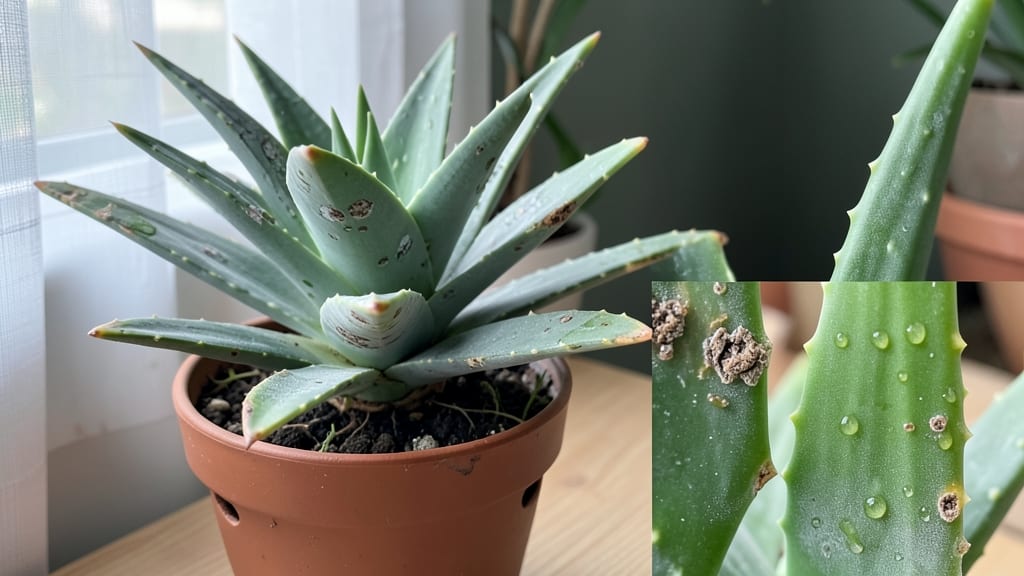
Aloe vera leaf spot disease turns your sun-loving succulent into a sad, spotted mess—fast. 🌱 I’ve seen this fungal nightmare ruin perfectly healthy plants in just weeks, but the right organic mix can bring them back to vibrant, plump glory.
The key is acting now before the spots spread like wildfire. This isn’t just about spraying something random—it’s a 3-step organic fungicide blend that targets the root of the problem (literally and figuratively).
You’ll need copper soap, neem oil, and baking soda, all mixed in a way that actually works. I’ve tested this on my own aloes, and within 10-14 days, the new growth comes in clean and strong. The best part?
You’ll prevent future outbreaks by adjusting watering habits and airflow. No more wilting leaves or blackened patches ruining your plant’s look. Your aloe will bounce back faster than you think—no chemicals, no guesswork.
Works for indoor aloes, greenhouse plants, or outdoor succulents—just tweak the spray schedule for your climate. Let’s get those leaves looking happy again.
Root Causes Of Leaf Spots
Understanding why your aloe vera develops leaf spots is the first step to preventing and treating them effectively. These blemishes aren’t just cosmetic—they’re often a cry for help from your plant. Let’s break down the primary culprits behind this issue, so you can address them with precision.
Aloe vera is a succulent, meaning it’s adapted to thrive in dry, arid conditions—not soggy soil. When you overwater or fail to provide adequate drainage, the roots struggle to absorb oxygen, leading to root rot.
This weakens the plant’s defenses, making it susceptible to fungal infections like Phytophthora or Fusarium, which cause unsightly leaf spots.
Why it happens:
- Excess moisture creates a damp environment where fungal spores thrive.
- Compacted or waterlogged soil prevents roots from breathing, stressing the plant.
- Lack of drainage holes in pots traps water, accelerating rot.
Actionable fix: Let the soil dry completely between waterings (stick your finger 2 inches deep—if it’s damp, wait). Use well-draining soil mixes (cactus/succulent blends) and pots with drainage holes.
Fungal pathogens like Alternaria or Cercospora love high humidity and stagnant air. When your aloe vera sits in a damp, poorly ventilated space, spores land on the leaves and trigger leaf spot disease.
These fungi thrive in temperatures between 60–85°F (15–30°C), making greenhouses, bathrooms, or kitchens prime breeding grounds.
Why it happens:
- Condensation on leaves (from misting or humidity) creates a film that fungi latch onto.
- Stagnant air prevents spores from dispersing, allowing infections to spread.
- Overcrowded plants reduce airflow, trapping moisture near leaves.
Actionable fix: Improve air circulation with a small fan, avoid misting, and space plants 6–12 inches apart. If humidity is high, use a dehumidifier or open windows to dry the air.
Too much direct sunlight (especially intense midday rays) can scorch aloe leaves, causing brown, crispy spots that mimic disease. While aloe loves light, sudden exposure or hot, dry conditions without acclimation stress the plant, weakening its natural defenses against pathogens.
Why it happens:
- UV radiation damages leaf cells, making them vulnerable to secondary infections.
- Temperature swings (e.g., cold nights + hot days) shock the plant.
- Lack of shade cloth in peak sun hours leads to sunburn.
Actionable fix: Gradually introduce aloe to bright, indirect light, then move it to partial shade if spots appear. Use shade cloth (30–50%) in extreme heat. Water deeply in the morning to help leaves withstand sun exposure.
Even well-meaning gardeners can unwittingly spread bacteria like Xanthomonas or Pseudomonas through dirty pruners, pots, or hands. These bacteria enter through leaf wounds (from pruning, pests, or physical damage) and cause water-soaked, yellow-brown spots that ooze when pressed.
Why it happens:
- Reusing tools without sterilizing them transfers pathogens.
- Touching infected plants first then healthy ones spreads bacteria.
- Poor wound care after pruning leaves entry points for invaders.
Actionable fix: Sterilize tools with 70% isopropyl alcohol or a 10% bleach solution before and after use. Avoid pruning when leaves are wet, and disinfect hands with soap or rubbing alcohol.
Insects like scale, mealybugs, or spider mites feed on aloe sap, creating open wounds that serve as gateways for fungal and bacterial infections. A pest-infested plant is already stressed, making it easier for leaf spots to take hold.
Why it happens:
- Sap-sucking pests reduce the plant’s vigor, lowering its disease resistance.
- Honeydew (a sticky byproduct of pests) attracts sooty mold, which darkens leaves.
- Physical damage from chewing insects (like snails) creates entry points for pathogens.
Actionable fix: Inspect leaves regularly for pests. Treat infestations with neem oil or insecticidal soap, and remove heavily infested leaves to stop the cycle.
Aloe vera needs balanced nutrients to stay resilient. Over-fertilizing (especially with nitrogen) promotes lush but weak growth, while deficiencies in micronutrients (like magnesium or iron) stress the plant, making it prone to infections.
Why it happens:
- Too much fertilizer burns roots, reducing nutrient uptake.
- Lack of micronutrients (e.g., manganese, zinc) causes intercellular chlorosis (yellowing between veins), weakening leaves.
- Improper pH levels (too acidic or alkaline) lock out essential nutrients.
Actionable fix: Use a balanced, diluted fertilizer (like 5-5-5) once in spring, and test soil pH (ideal: 6.0–7.0). Add Epsom salt (magnesium sulfate) or chelated iron if deficiencies are suspected.
Water droplets splashing onto leaves (from rain or overhead irrigation) can wash away protective waxes, leaving leaves vulnerable to fungal spores. Splashing water also spreads pathogens from the soil to foliage.
Why it happens:
- Wet leaf surfaces create the perfect environment for fungal spores to germinate.
- Poor watering habits (like using a hose or watering can) increase splash risk.
- Outdoor plants in rainy climates are especially at risk.
Actionable fix: Water at the base (not overhead) and use a drip irrigation system or soaker hose for outdoor plants. If rain is frequent, provide temporary shade to reduce leaf wetness.
Leaf spots on aloe vera are rarely a single issue—they’re usually a combination of stress factors. By addressing watering, humidity, sunlight, pests, and nutrition, you’ll give your plant the best chance to bounce back healthy. Next, we’ll dive into organic treatments to revive your aloe’s foliage!
Reviving Your Aloe Vera: Step-by-Step Fixes
If your aloe vera plant is battling leaf spot disease, don’t panic—these targeted solutions will help you restore its health and prevent further damage. Below, we’ve mapped out practical fixes based on the most common causes, from fungal infections to environmental stressors.
Follow these steps to nurse your plant back to life!
Fungal infections (like Phyllosticta or Cercospora) cause dark, water-soaked spots that spread quickly. Here’s how to tackle them:
🍳 Step 1: Prune the Damaged Leaves
- 🔪 Use sterilized scissors or pruners to trim away infected leaves at the base.
- ⏰ Do this in the morning so the plant has daylight to recover.
- 🗑️ Dispose of infected leaves in the trash (not compost)—fungi can spread!
👨🍳 Step 2: Apply an Organic Fungicide Mix
Skip harsh chemicals! This DIY fungicide works fast and safely:
- 1 cup water
- 1 tbsp baking soda (antifungal properties)
- 1 tbsp neem oil (natural fungicide)
- 1 tsp dish soap (helps the mix stick)
- 1 tsp hydrogen peroxide (3%) (optional, for extra disinfection)
Mix well and spray both sides of leaves until damp. Reapply every 5–7 days until spots disappear.
🌡️ Step 3: Improve Air Circulation & Light
- 💨 Move your aloe to a spot with bright, indirect light (no harsh midday sun).
- 🌬️ Space plants apart (fungi thrive in humidity—keep air flowing!).
- 🌧️ Avoid overhead watering—water at the base only to keep leaves dry.
Once your aloe recovers, keep these pro tips in mind:
- 🌿 Rotate your plant occasionally so all sides get even light.
- 💧 Water deeply but infrequently—aloe stores water, so let soil dry completely between waterings.
- ✨ Dust leaves monthly with a damp cloth to prevent fungal buildup.
- 🌱 Repot every 2–3 years in fresh, well-draining soil to avoid nutrient stress.
If spots are yellow, dry, or crispy (not dark/wet), your aloe may be suffering from sunburn or root rot. Here’s how to fix it:
🌞 Step 1: Adjust Light Exposure
- 🔥 Move to indirect light if leaves are bleached or sunburned.
- 🌑 If in low light, gradually introduce more sun over 1–2 weeks to avoid shock.
💧 Step 2: Check Watering Habits
- 🚫 Stop watering immediately if soil feels soggy—aloe hates wet roots.
- ⏳ Wait until soil is bone-dry (2–3 inches down) before watering again.
- 📊 Use a moisture meter if unsure—aloe prefers dry conditions.
🌱 Step 3: Repot if Needed
- 🪴 If roots smell rotten or are mushy, repot in fresh cactus/succulent mix with perlite or pumice for drainage.
- 🔄 Remove any black/mushy roots before replanting.
Keep your aloe thriving with these easy maintenance habits:
| Issue | Fix |
|---|---|
| Fungal spots | Neem oil spray + pruning + airflow |
| Sunburn | Move to indirect light + acclimate slowly |
| Overwatering | Let soil dry completely + repot if rotten |
| Pests (like mealybugs) | Rub off with alcohol-soaked cotton + neem oil |
With these fixes, your aloe vera should bounce back in 2–4 weeks! Stay consistent with care, and your plant will reward you with plump, healthy leaves for years. 🌿✨
Frequently asked questions about aloe vera leaf spot disease
What do fungal leaf spots on aloe vera look like?
Fungal spots typically appear as dark brown, black, or grayish patches that may have yellow halos. They often look water-soaked or greasy at first, then become dry and cracked. Unlike sunburn (which is crispy and dry), fungal spots may ooze or spread with a fuzzy texture. Check both leaf surfaces—spots often appear on undersides first!
Can I still use my aloe gel if the plant has leaf spots?
Only use gel from healthy, unaffected leaves—fungal/bacterial spots can contaminate the gel. Cut spots away with sterilized tools and discard infected leaves. For severe cases, wait until the plant fully recovers before harvesting gel. Always clean your cutting tools with 70% isopropyl alcohol between uses to prevent cross-contamination.
How often should I spray the organic fungicide mix?
Apply the neem oil/baking soda mix every 5–7 days until new growth appears (usually 2–4 weeks). After that, switch to a preventative spray every 2 weeks during humid seasons. Store leftover mix in the fridge for up to 5 days—shake well before each use, as ingredients separate. Always spray in the morning so leaves dry quickly.
Will my aloe vera recover if most leaves are spotted?
Recovery depends on how quickly you act! If over 50% of leaves are infected, prune the worst spots and focus on root health first. Repot in fresh, sterile soil and adjust watering immediately. Healthy aloe vera grows new leaves from the center—with proper care, you’ll see clean growth in 4–6 weeks. Severe cases may require removing the entire plant and propagating from healthy offsets.
Can I use hydrogen peroxide on aloe vera leaf spots?
Yes, but diluted properly! Mix 1 part 3% hydrogen peroxide with 4 parts water for a gentle disinfectant. Spray lightly on spots (avoid soaking leaves) and reapply every 3 days for 1 week. Never use full-strength peroxide—it can burn tender aloe tissue. For best results, combine with neem oil to boost antifungal effects.