
Leaf Blower
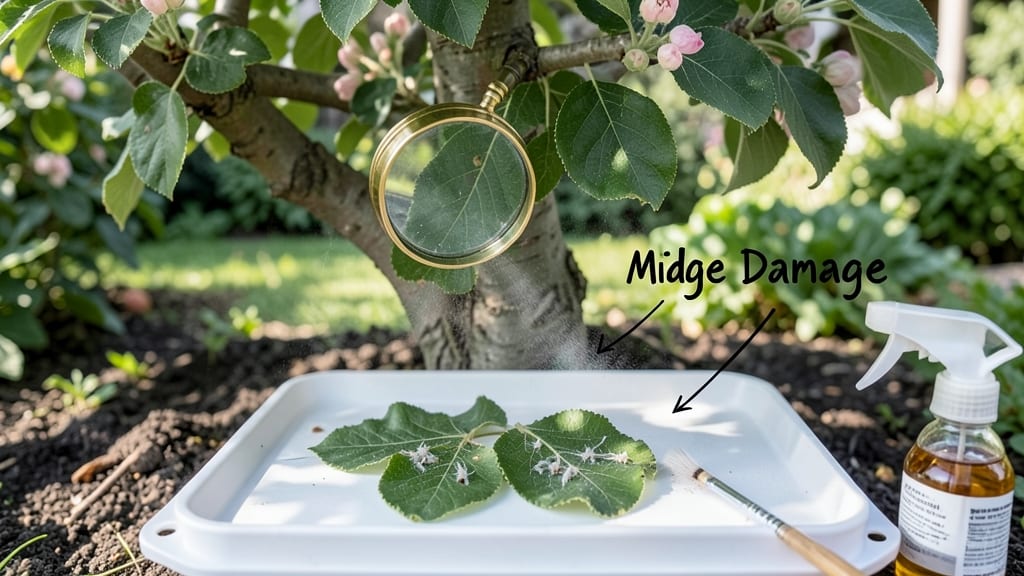
Apple leaf curl midge turns your prized apple tree into a skeleton of curled, stunted leaves by spring. 🌿 I’ve watched this tiny pest ruin entire harvests before I learned how to spot the damage early—tiny white larvae, curled leaves, and a tree that looks like it’s suffering from frost damage when it’s not.
The midge’s life cycle is sneaky: eggs overwinter in leaf litter, then hatch into larvae that feed on new growth. Most gardeners only notice the damage after it’s too late, but checking your tree in late winter for these telltale signs can save your season.
A quick inspection of last year’s fallen leaves (where eggs hide) is your first line of defense. With the right organic controls—neem oil sprays, pruning out infested branches, and encouraging beneficial predators like lacewings—you can stop this pest before it starts.
I’ve seen trees go from nearly dead-looking in March to bursting with healthy leaves by May after just one season of intervention. Works for backyard orchards, community gardens, or even a single tree in your yard. Here’s how to break the cycle for good.
Root Causes Of Leaf Damage
Understanding why apple trees succumb to leaf curl midge infestations starts with recognizing the perfect storm of environmental and biological factors that create ideal conditions for these tiny pests. Let’s break down the key triggers—each one a critical piece of the puzzle.
The apple leaf curl midge (Dasineura mali) thrives in cool, damp springs, particularly when temperatures hover between 45°F and 65°F (7°C–18°C). Here’s why this matters:
- Extended leaf wetness (from rain or morning dew) slows leaf drying, giving midge larvae more time to feed and develop.
- High humidity (above 70%) creates a microclimate on leaves that midges prefer for egg-laying and larval survival.
- Delayed bud break (common in cooler springs) stretches out the midge’s active season, increasing damage potential.
💡 Pro Tip: If your region has a history of late frosts followed by sudden warmth, midge populations can explode—monitor trees closely during these transitions.
Unlike many pests that die off in winter, apple leaf curl midge larvae survive underground in pupal cocoons until spring. Their resilience stems from:
- Deep soil penetration (up to 6 inches/15 cm), where they avoid freezing temperatures.
- Dormancy triggers: Larvae only emerge when soil temps reach 50°F (10°C), aligning with bud break.
- Host plant proximity: Trees with last year’s infested leaves (which fell to the ground) provide a food source and shelter for pupating larvae.
🔥 Actionable Insight: Remove fallen leaves from under apple trees in late fall to starve overwintering larvae of organic matter. Mulch with straw or wood chips (not leaf litter) to discourage pupation.
Healthy trees resist pests better, but stress factors invite midge attacks by making leaves more vulnerable:
| Stressor | How It Helps Midge Infestation | Fix It With |
|---|---|---|
| Nutrient deficiency (e.g., nitrogen, potassium) | Leaves become thin and weak, easier for larvae to penetrate. | Balanced organic fertilizer (e.g., compost tea, fish emulsion). |
| Water stress (drought or overwatering) | Stunted growth = fewer resources to fight off pests. | Deep, infrequent watering (1–2 inches/week). |
| Root damage (from compaction, girdling roots) | Poor nutrient uptake = sap-rich leaves midges love. | Aerate soil and mulch to protect roots. |
| Fungal/bacterial infections (e.g., apple scab) | Damaged tissue provides entry points for midges. | Copper fungicide sprays (organic options like neem oil). |
🌡️ Key Stat: Trees under moderate stress can see 30–50% more midge damage than healthy counterparts.
Apple leaf curl midges face few natural enemies in most orchards, unlike other pests with bird or insect predators. Their vulnerability stems from:
- Timing: Midge larvae emerge before beneficial insects (like parasitic wasps) are active.
- Hidden lifecycle: Larvae curl leaves shut, protecting them from predators.
- Monoculture orchards: Planting only apple trees eliminates diverse ecosystems that support predator populations.
✨ Organic Boost: Introduce beneficial nematodes (Steinernema feltiae) in early spring to target pupae in soil. Plant companion flowers (e.g., alyssum, dill) to attract predatory hoverflies.
Midge adults are weak fliers but rely on wind and pollen to disperse:
- Pollen grains stick to their bodies, helping them hitch rides to new trees.
- Gentle breezes (5–15 mph) carry adults up to 1 mile (1.6 km), explaining why infestations spread rapidly in orchards.
- Pruning wounds on trees create entry points for adults to lay eggs.
🎯 Prevention Tip: Prune in late winter (before midge flight) and seal cuts with pruning paste to block egg-laying sites.
Quick Fixes for Wrinkled Apple Leaves
If your apple tree’s leaves are curling, puckering, or showing signs of midge damage, don’t panic—there’s still time to act! The key is to tackle the problem early and organically to protect your harvest.
Below, we break down the most effective solutions based on the root cause, from quick fixes to long-term prevention. Let’s get those leaves back to their healthy, vibrant selves! 🌿🍏
Cause: Poor air circulation or nutrient stress invites pests like the apple leaf curl midge.
Solution:
- Prune strategically 🔪: Thin out dense branches to improve airflow. Focus on removing:
- Crossing or rubbing branches
- Dead or diseased wood
- Overly dense growth near the trunk
- Mulch properly 🌳: Apply 2–3 inches of organic mulch (straw, wood chips, or leaves) around the base of the tree, keeping it 6 inches away from the trunk to prevent rot.
- Water deeply but less often 💧: Aim for 1–1.5 inches per week (including rain). Drought stress weakens trees, making them more susceptible to pests.
💡 Pro Tip: Prune in late winter or early spring (before buds swell) to minimize stress. Avoid heavy pruning during peak growing season!
Cause: Visible larvae, webbing, or curled leaves with tiny white eggs mean midges are already active.
Solution:
- Handpick larvae 👨🍳: Inspect leaves daily (especially undersides) and remove curled leaves with larvae. Drop them into soapy water to kill them instantly.
- Spray with neem oil 🌿: Mix 1 tbsp neem oil + 1 tsp mild soap per gallon of water. Spray early morning or late evening (avoid direct sun) every 5–7 days until midges disappear. Neem disrupts their life cycle without harming bees!
- Introduce beneficial insects 🐝: Ladybugs, lacewings, and parasitic wasps (like Aphidoletes aphidimyza) feed on midge larvae. Buy them online or attract them with dill, fennel, or marigolds planted nearby.
⚠️ Warning: Avoid chemical pesticides—they can harm pollinators and disrupt your tree’s ecosystem.
Cause: Weak trees (from poor soil, lack of nutrients, or disease) are midge magnets.
Solution:
- Fertilize smartly 📊:
- Spring: Use a balanced organic fertilizer (10-10-10 or compost) to boost growth.
- Fall: Switch to a low-nitrogen, high-phosphorus fertilizer (like bone meal) to support root health.
- Test your soil 🌡️: pH should be 6.0–7.0 for apples. Adjust with lime (to raise pH) or sulfur (to lower it) if needed.
- Apply compost tea ✨: Brew compost tea (steep compost in water for 24–48 hours, strain) and spray on leaves/foliage for a nutrient boost.
💡 Pro Tip: Copper sprays (1 tbsp copper sulfate per gallon of water) can also deter midges—use as a preventative spray in early spring before eggs hatch.
Cause: Midges thrive in neglected or unprotected orchards.
Solution:
- Install fine mesh netting 🕷️: Cover young trees with 1mm mesh netting in early spring to block adult midges from laying eggs.
- Encourage biodiversity 🌍: Plant companion plants like garlic, onion, or thyme near your apple trees—their strong scents repel midges.
- Monitor with yellow sticky traps 🎯: Hang yellow cards coated with petroleum jelly in the tree canopy. Check weekly to track midge activity.
- Rotate control methods ⏰: Don’t rely on one solution. Combine neem oil, pruning, and beneficial insects for long-term success.
🌟 Bonus: Plant resistant varieties like ‘Liberty’ or ‘Enterprise’ apples—they’re bred to tolerate pests better!
Final Reminder: The sooner you act, the easier it is to reverse damage and keep your apple tree thriving. Stay vigilant, and those curled leaves will be a thing of the past! 🍏💚
Frequently asked questions about apple leaf curl midge
How can I tell if my apple tree has leaf curl midge and not another pest?
Look for tiny white larvae curled inside puckered leaves—this is the classic midge sign. Unlike aphids (which cluster on stems) or mites (which cause stippling), midges create rolled or curled leaves with a silvery sheen from their feeding. Check leaf undersides in early spring when damage first appears.
Is neem oil safe to use if I have bees pollinating my apple tree?
Yes, but use it carefully! Neem oil is bee-safe when applied after sunset or before sunrise to avoid harming pollinators. Avoid spraying when bees are actively foraging (mid-morning to early afternoon). The key is timing—neem disrupts midges but won’t harm bees if they’re not present during application.
Can I still save my apple harvest if my tree has midge damage?
While midges damage leaves, they don’t attack fruit directly. Focus on removing infested leaves and applying neem oil or copper sprays to stop further spread. Healthy trees can recover quickly, and fruit quality remains unaffected. Just monitor for secondary pests like aphids that may move in after midges leave.
What’s the best time of year to prune my apple tree to prevent midge infestations?
Prune in late winter (January–February), before buds swell but after the worst cold snaps. This timing removes overwintering eggs hidden in leaf litter and improves airflow to reduce midge-friendly microclimates. Avoid pruning in spring—you’ll risk spreading midge eggs on fresh cuts.
Will my apple tree recover if I treat midge damage late in the season?
Yes, but recovery depends on how severe the damage is. Late-season treatments (like neem oil or handpicking larvae) can still help, but focus on next year’s prevention. Remove all fallen leaves in autumn, apply beneficial nematodes in early spring, and prune to reduce hiding spots. Trees are resilient—they’ll bounce back with proper care!