
Pests and Diseases
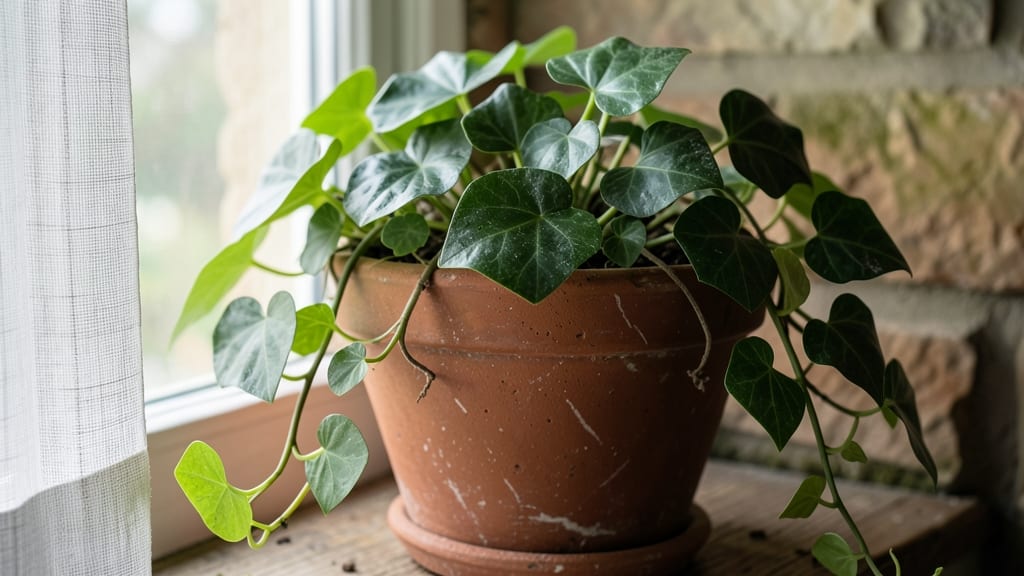
Growing Arabian wax leaf ivy means lush, glossy vines that stay vibrant with almost no fuss. 🌿 I’ve had this cultivar climbing my porch for years, and it’s the only ivy that thrives in my shady corner without yellowing or dropping leaves.
The secret? Understanding its light, water, and soil preferences—plus a few simple pruning tricks to keep it looking its best.
This ivy loves bright, indirect light but tolerates low-light spots better than most varieties, making it perfect for indoor climbs or shady outdoor walls. Well-draining soil is key—too much moisture leads to root rot, while dry conditions cause crispy edges.
Water when the top inch of soil feels dry, and you’ll avoid the most common problems beginners face.
By winter, you’ll notice new growth pushing through even in cooler months, proving it’s truly a year-round performer. The waxy leaves repel dust and pests naturally, and its slow growth means you only need to prune once or twice a year to shape it.
That’s minimal effort for maximum impact—think trailing cascades or a living wall that stays green all season.
Whether you’re training it on a trellis, letting it spill from a hanging basket, or using it as a ground cover, this ivy adapts effortlessly. The best part?
It’s nearly pest-proof, so you won’t waste time battling aphids or mites like with other vines. Let’s get yours thriving with these simple steps.
📚 In This Guide
- What you need
- Instructions
- Tips and common mistakes
- Wrapping up and next steps
What you need
- ● Arabian wax leaf ivy plant: 1 healthy nursery-grown plant (5–7 gallons in size for best results).
- ● Well-draining potting mix: 5–10 gallons (use a blend of peat moss, perlite, and compost for optimal aeration).
- ● Container or garden space: Container option: 1 large pot (12–18 inches in diameter) with drainage holes.
- ● Garden option: A sunny to partially shaded spot with 6+ feet of vertical space (trellises, fences, or walls).
- ● Slow-release fertilizer: 1–2 cups of balanced 10-10-10 or organic granular fertilizer (applied seasonally).
- ● Watering can or hose with a gentle spray nozzle.
- ● Pruning shears: 1 pair of sterilized, sharp bypass pruners (for minimal trimming).
- ● Gloves: 1 pair of gardening gloves (to protect from sap and thorns).
- ● Mulch: 2–3 inches of organic mulch (e.g., wood chips) to retain moisture.
- ● Trellis or climbing support: 1–2 metal or wooden lattice panels (if growing vertically).
- ● Plant support ties: 3–5 soft garden twine or Velcro strips (to guide vines upward).
- ○ Fungicide (optional): 1 bottle of copper-based fungicide (for prevention of powdery mildew in humid climates).
Step-by-step guide to growing Arabian wax leaf ivy
Here’s how to cultivate these stunning, low-maintenance vines that thrive indoors and out.
🌱 Step 1: Select the Right Spot for Light and Humidity
Arabian wax leaf ivy thrives in bright, indirect light—think east or north-facing windows where sunlight filters gently. Too much direct sun scorches its glossy leaves, while dim corners slow growth. I place mine near a sheer curtain where the light is soft but abundant. If your space is low-light, a grow light positioned 12-18 inches away for 6-8 hours daily works wonders.
Humidity matters too—this plant loves it! If your home runs dry, set the pot on a tray filled with pebbles and water, or mist the leaves weekly. Watch for crispy leaf edges; that’s your cue to increase moisture. In dry climates, I group my ivy with other plants to create a micro-humidity zone.
🪴 Step 2: Choose the Perfect Container and Soil Mix
Use a pot with drainage holes—4-6 inches deep for one plant, slightly larger for multiple stems. Terracotta pots work best because they breathe, preventing soggy roots. Fill the pot with a well-draining potting mix blended with 20% perlite or orchid bark to mimic its natural airy habitat. I avoid heavy garden soil; it compacts and suffocates roots.
Gently remove the plant from its nursery pot and loosen the roots if they’re circling. Place it in the new container, ensuring the top of the root ball sits ½ inch below the rim. Press the soil lightly around the edges to secure the plant, but don’t pack it down—roots need air to breathe. Water thoroughly until it drains from the bottom.
💧 Step 3: Water Wisely to Keep Leaves Lush
Water when the top inch of soil feels dry—stick your finger in to check. Overwatering is the fastest way to kill this plant; yellow leaves signal soggy roots. I water deeply until water runs from the drainage hole, then empty the saucer to prevent root rot. In winter, reduce watering to every 10-14 days—the plant’s growth slows, so it needs less.
Mist the leaves occasionally to keep them vibrant, especially in dry air. Wipe them with a damp cloth monthly to remove dust; this helps them absorb light efficiently. If the tips brown, it’s a sign of underwatering or fluoride in tap water—switch to filtered or rainwater if needed.
✂️ Step 4: Prune for Fullness and Control Growth
Arabian wax leaf ivy needs minimal pruning, but pinching back leggy stems encourages bushier growth. Use clean sharp scissors to trim just above a leaf node—where leaves meet the stem. I prune in early spring to shape the plant and remove any yellow or damaged leaves. Never cut more than ⅓ of the plant at once; it can stress the vine.
To propagate, cut 4-6 inch sections just below a node, dip in rooting hormone, and place in water or moist perlite. Roots form in 4-6 weeks—this is how I’ve expanded my collection to fill shelves and hanging baskets. Prune regularly to keep the plant compact and encourage those signature waxy leaves.
☀️ Step 5: Fertilize Lightly for Year-Round Growth
Feed every 4-6 weeks during spring and summer with a balanced liquid fertilizer (10-10-10 or 20-20-20) diluted to half strength. In fall and winter, cut back to once every 8-10 weeks—the plant’s growth slows, so it doesn’t need as much. I always water before fertilizing to prevent root burn. Over-fertilizing causes salt buildup, which browns leaf tips.
Watch the leaves for clues: dark green and glossy mean it’s happy; pale or sparse growth signals it’s time to feed. If you notice white crusty deposits on the soil, flush the pot with water to remove excess salts. This plant rewards consistency—don’t skip fertilizing, but don’t overdo it either.
Tips & tricks for perfect Arabian wax leaf ivy growth
These game-changing insights will help you coax the most vibrant, lush vines from your Arabian wax leaf ivy—no green thumb required!
Lighting Strategy: The 6-8 hour grow light rule is your secret weapon for low-light spaces. Position the light at 15 inches (closer than 12) if your ivy looks pale—it needs that extra intensity. I rotate my plants weekly so all sides get even exposure, preventing that lopsided growth. Watch for leaves stretching toward the light; that’s your plant begging for more brightness!
Soil Science: That 20% perlite mix isn't just about drainage—it creates tiny air pockets roots love. I like to add a handful of orchid bark too, which breaks down slowly and feeds the soil naturally. Pro tip: Mix in a pinch of worm castings (optional) when repotting for a nutrient boost without overdoing it. The key is keeping that soil fluffy!
Watering Wisdom: The "top inch dry" rule works, but here's the secret: water until you see moisture emerge from the drainage hole. This ensures the entire root zone gets hydrated. I use a moisture meter now—it takes the guesswork out of when to water. And always empty that saucer! Standing water is the #1 enemy of happy roots.
Pruning Payoff: That ⅓ pruning limit isn't arbitrary—it's about balance. When you trim back more than that, you shock the plant's energy reserves. I prune in stages: first the leggy stems, then the yellow leaves, then any that cross or rub against each other. The waxy leaves will thank you with their signature shine!
Pro Tips for Arabian Wax Leaf Ivy
- These game-changing insights will help you coax the most vibrant, lush vines from your Arabian wax leaf ivy—no green thumb required!
- Lighting Strategy: The 6-8 hour grow light rule is your secret weapon for low-light spaces.
- Soil Science: That 20% perlite mix isn't just about drainage—it creates tiny air pockets roots love.
Frequently asked questions
about Arabian wax leaf ivy—because even low-maintenance plants have their quirks! Here’s what you need to know:Is Arabian wax leaf ivy toxic to pets?
The good news? This vine is non-toxic to cats and dogs! Unlike some ivies, it won’t cause vomiting or irritation if nibbled. Still, monitor your pets—curiosity can lead to overindulgence, and it’s always best to discourage chewing with pet-safe deterrents like citrus sprays.
Can I grow Arabian wax leaf ivy indoors?
This versatile vine thrives indoors as long as it gets bright, indirect light (east or north-facing windows are ideal). Keep humidity moderate—mist leaves occasionally or place a tray of water nearby. Avoid drafts, and it’ll reward you with lush, glossy growth year-round.
What pests should I watch for?
While resilient, Arabian wax leaf ivy can attract spider mites or scale in dry conditions. Check the undersides of leaves regularly. Treat infestations early with insecticidal soap or neem oil. Prevention tip: Wipe leaves with a damp cloth monthly to deter pests and boost growth!
How often do I need to prune it?
One of its best features: minimal pruning! Trim only to shape or control growth—2–3 times a year is plenty. Use clean shears to snip leggy stems or overgrown vines. Pruning also encourages denser foliage. Pro tip: Prune after flowering (if it blooms) to redirect energy to leafy growth.
What’s the best alternative if I want a similar look?
If Arabian wax leaf ivy doesn’t suit your space, try these low-maintenance vines:
- English ivy (Hedera helix) – Hardy but invasive; opt for the non-climbing varieties.
- Swedish ivy (Plectranthus verticillatus) – Trailing, drought-tolerant, and pet-safe.
- Philodendron hederaceum – Classic heartleaf philodendron with similar care needs.
Wrapping up and next steps
Arabian wax leaf ivy is a resilient, low-maintenance vine that thrives year-round with minimal fuss—perfect for busy gardeners or those new to plant care! 🌿 Its glossy foliage and pest-resistant nature make it a standout choice, but staying vigilant against aphids, spider mites, and fungal diseases ensures it stays lush and healthy. With proper pruning and proactive care, you’ll enjoy its beauty without the stress.
Ready to give it a try? Start by inspecting your existing plants (or new purchases) for early signs of trouble, and act fast if you spot anything unusual. Your green thumb is closer than you think—happy planting! 🌱