
Succulent
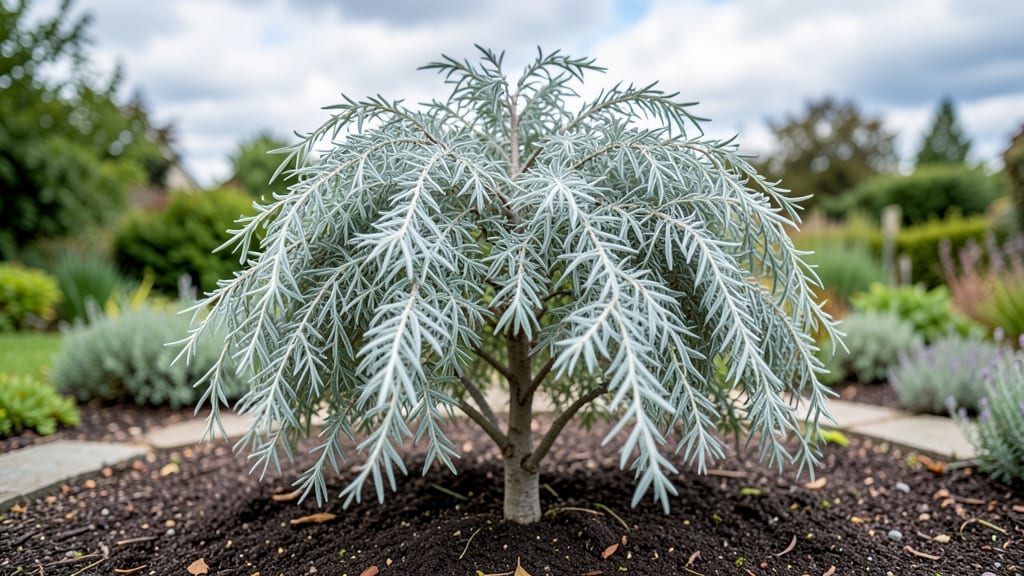
The Arctic Blue Leaf Willow thrives where most plants freeze—its silvery-blue foliage stays stunning through winter's worst. 🌿 I planted mine last October, and it's now the standout feature of my yard, handling snow and subzero temps like a champ.
This hardy shrub isn't just cold-resistant; it's also drought-tolerant and low-maintenance, making it perfect for busy gardeners or harsh climates.
This willow loves full sun but tolerates partial shade, though its signature blue hue fades in low light. Well-draining soil prevents root rot, and once established, it needs minimal watering—just enough to keep the soil slightly moist during dry spells.
The real magic happens in its first growing season, when it establishes deep roots that anchor it against wind and erosion.
By summer, you'll see arching branches covered in vibrant blue-green leaves that shimmer in sunlight. Prune lightly after flowering to maintain shape, and watch as it grows 3-5 feet tall and wide within just a few years. It's ideal for hedges, privacy screens, or erosion control along slopes and waterways.
Common issues like leaf discoloration often stem from overwatering or poor drainage, while pests rarely bother this tough shrub. With proper care, your Arctic Blue Leaf Willow will reward you with years of striking color and resilience. Ready to add this frost-proof beauty to your landscape?
📚 In This Guide
- What you need
- Instructions
- Tips and common mistakes
- Wrapping up and next steps
What you need
- ● Arctic Blue Leaf Willow: 1–3 plants (seeds, bare-root saplings, or potted young plants from a nursery)
- ● Seedlings: 6–12 months old (for faster growth)
- ● Soil: 2–3 cubic yards of well-draining, slightly acidic soil (pH 5.0–6.5)
- ○ Optional: Mix in 1 part peat moss or compost per 3 parts garden soil for moisture retention
- ● Planting Site: Full sun to partial shade (6+ hours of sunlight daily)
- ● Space: 15–20 feet apart for mature willows (they spread!)
- ● Digging Tools: 1 shovel (for planting holes)
- ● 1 garden trowel (for delicate seedling placement)
- ● Watering Supplies: 1 hose with adjustable nozzle or watering can
- ○ Optional: Drip irrigation kit for consistent moisture
- ● Mulch: 3–5 bags of organic mulch (wood chips or straw)
- ● Fertilizer: 1 balanced, slow-release fertilizer (10-10-10 or similar)
- ○ Optional: Epsom salt (for magnesium boost)
- ● Climate Check: Hardy in USDA Zones 3–9 (survives -40°F!)
- ● Water Access: Ready for deep watering 2–3 times per week (especially in the first year)
- ● Patience: Willows grow 1–3 feet per year—plan for long-term beauty!
Step-by-step guide to planting and caring for Arctic blue leaf willow
This hardy, striking willow thrives even in cold climates—here's how to plant and nurture it for years of vibrant color.
🌱 Step 1: Choose the Perfect Planting Location
Arctic Blue Leaf Willow loves moisture but also handles dry spells once established. Pick a spot with full sun to partial shade—at least 4-6 hours of direct sunlight daily. I always look for areas near ponds, streams, or low spots where water naturally collects, as this willow tolerates wet soil beautifully.
Check the soil pH with a simple test kit—this willow prefers slightly acidic to neutral soil (pH 6.0-7.5). If your soil is heavy clay, amend it with 2-3 inches of compost mixed into the top 12 inches of soil. The roots will thank you with faster establishment.
🪴 Step 2: Prepare the Planting Hole and Transplant
Dig a hole twice as wide as the root ball but only as deep as the root ball itself. This prevents burying the trunk too deeply, which can cause rot. Gently remove the willow from its container and loosen any circling roots with your fingers—this encourages outward growth instead of root-bound stress.
Place the willow in the hole so the top of the root ball sits 1 inch above ground level. Backfill with native soil, tamping lightly every 2 inches to remove air pockets. Water deeply right after planting to settle the soil and eliminate gaps. You'll see the soil surface settle about ½ inch—this confirms proper watering.
💧 Step 3: Water and Mulch for First-Year Establishment
Water your Arctic Blue Leaf Willow deeply 2-3 times per week during the first growing season, especially if temperatures climb above 80°F. The key is to keep the root zone consistently moist but not soggy—you'll know it's right when the top 2 inches of soil feel damp but not waterlogged.
Spread 3-4 inches of mulch around the base, keeping it 3 inches away from the trunk to prevent rot. I use shredded bark or wood chips because they break down slowly and improve soil structure over time. Replenish mulch annually to maintain moisture and suppress weeds.
☀️ Step 4: Prune and Maintain for Healthy Growth
This willow rarely needs pruning, but you can shape it lightly in late winter or early spring before new growth begins. Remove any dead, damaged, or crossing branches with clean, sharp pruners. Cut just above a healthy bud or lateral branch to encourage fuller growth. Avoid heavy pruning—this willow grows best when left natural.
Fertilize lightly in early spring with a balanced 10-10-10 fertilizer applied at half the recommended rate. Over-fertilizing leads to weak, leggy growth. Watch for yellowing leaves—this usually signals either overwatering or nutrient deficiency. Adjust your care based on what you observe.
⏰ Step 5: Protect and Enjoy Year-Round Beauty
Arctic Blue Leaf Willow handles frost beautifully, but young plants benefit from a 3-4 inch layer of mulch in winter to insulate roots. The striking blue foliage appears in late spring and lasts through fall, making it a standout in any landscape. I love planting it near patios or walkways where its graceful branches sway in the breeze.
This willow grows 6-10 feet tall and wide over time, so give it space to spread. If you notice branches rubbing together, trim them back in early summer to prevent damage. With minimal care, your Arctic Blue Leaf Willow will reward you with vibrant color and easygoing charm for decades.
Tips & tricks for perfect Arctic blue leaf willow planting
Took me a while to figure these out, so here goes—these tricks will help your willow thrive from day one.
Location Intelligence: If your yard has heavy clay soil, don't just amend the planting hole—work that 2-3 inches of compost into the top 12 inches of surrounding soil too. This creates a root-friendly zone that extends beyond the immediate planting area, helping your willow establish faster in poor soil conditions. Think of it as giving your plant a head start in its new home.
Watering Wisdom: Those 2-3 weekly waterings in the first year are non-negotiable, especially when temperatures hit 80°F. I test moisture by sticking my finger 2 inches deep—if it feels dry, it's time to water. Early morning is the best time to water because it reduces evaporation and gives roots time to absorb moisture before the heat of the day.
Mulch Mastery: When applying that 3-4 inch layer of mulch, create a donut shape—keep it 3 inches away from the trunk to prevent rot. I also recommend using shredded bark over straw, as it breaks down more slowly and improves soil structure over time. Top up your mulch every spring to maintain its protective layer.
Pruning Precision: If you do need to prune, make cuts just above a healthy bud or lateral branch—this encourages fuller growth. I've found that late winter pruning (before new growth begins) gives the best results. Avoid heavy pruning unless absolutely necessary, as this willow grows best when left to its natural shape. A little shaping goes a long way!
Pro Tips for Arctic Blue Leaf Willow
- Took me a while to figure these out, so here goes—these tricks will help your willow thrive from day one.
- Location Intelligence: If your yard has heavy clay soil, don't just amend the planting hole—work that 2-3 inches of compost into the top 12 inches of surrounding soil too.
- Watering Wisdom: Those 2-3 weekly waterings in the first year are non-negotiable, especially when temperatures hit 80°F.
Frequently asked questions
How cold can Arctic Blue Leaf Willow tolerate?
The Arctic Blue Leaf Willow lives up to its name—it thrives in USDA Hardiness Zones 2-7, handling temperatures as low as -40°F (-40°C). Plant it in full sun to partial shade, and it’ll reward you with vibrant blue-green foliage even in harsh winters. Pro tip: Mulch lightly in early winter to protect shallow roots.
When is the best time to plant Arctic Blue Leaf Willow?
For optimal growth, plant in early spring or early fall. This gives roots time to establish before extreme heat or cold. Avoid planting in summer—heat stress can stunt growth. Bonus: Bare-root willows can also be planted in late winter (as soon as the ground isn’t frozen).
Does Arctic Blue Leaf Willow need winter care?
This hardy shrub is low-maintenance, but a little extra care ensures it returns lush next year. Prune dead or weak branches in late winter (before new growth starts). Avoid heavy pruning—it encourages dense, bushy growth. Water sparingly in winter if your area gets little snow. Snow acts as natural insulation!
Can I grow Arctic Blue Leaf Willow in containers?
Yes! While it’s typically grown in the ground, you can grow it in large containers (at least 18” deep) for patios or small gardens. Use well-draining soil and repot every 2-3 years. Warning: Container-grown willows may need winter protection (move to a sheltered spot or wrap the pot in burlap).
Why are the leaves turning yellow or brown?
Yellowing leaves often signal overwatering or poor drainage. Brown edges? It could be drought stress or salt buildup (common in urban areas). Check soil moisture—willows prefer consistently moist (not soggy) soil. Adjust watering and ensure proper drainage. Fungal issues? Prune affected branches and avoid wetting foliage.
How fast does Arctic Blue Leaf Willow grow?
Expect moderate growth: 1-2 feet per year under ideal conditions. With proper care, it can reach 6-10 feet tall and wide over 5-10 years. Pro tip: Regular pruning keeps it compact and encourages bushier growth—great for hedges or privacy screens!
Wrapping up and next steps
Growing an Arctic Blue Leaf Willow is a rewarding way to add striking color and resilience to your landscape—even in harsh climates! 🌿 With its vibrant blue foliage and cold-hardy nature, this plant thrives with minimal fuss once you’ve got the basics down.
Whether you’re a seasoned gardener or a beginner, its adaptability makes it a fantastic choice for containers, borders, or even as a focal point.
Ready to bring this Arctic beauty home? Start by gathering your supplies, picking the perfect spot, and giving it the care it deserves. Watch it flourish, and soon, you’ll be the envy of the neighborhood with your stunning, frost-resistant showstopper! 🌟