
Shrubs
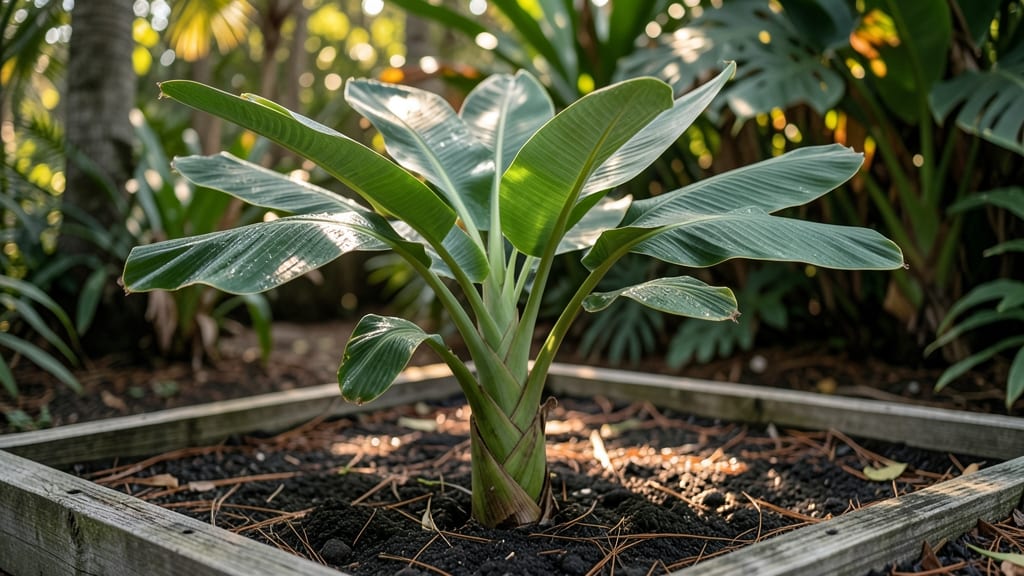
Tiny banana leaf plants that fit on your patio or windowsill? 🌿 I’ve grown compact banana varieties for years, and they’re the perfect solution for small spaces—no tropical greenhouse required. These dwarf types thrive in containers or partial shade, giving you exotic foliage without the monster-size commitment.
The secret to keeping them small lies in the right variety (Ensete ventricosum or Musa 'Dwarf Cavendish') and proper care. They love rich, well-draining soil, regular watering (but no soggy roots), and a spot where they get morning sun or dappled shade.
With the right setup, you’ll get lush, banana-shaped leaves in a fraction of the space. By winter, you’ll have a year-round tropical accent that even indoor gardeners can enjoy. These plants are surprisingly hardy once established, and their bold foliage adds drama to any corner.
The best part? They produce edible (though small) fruit—if you’re patient enough to wait. Whether you’re working with a balcony, shaded patio, or sunny windowsill, these compact varieties adapt beautifully. Let’s get yours growing!
📚 In This Guide
- What you need
- Instructions
- Tips and common mistakes
- Wrapping up and next steps
What you need
- ● Banana Leaf Shrub Plants: Compact varieties like Musa basjoo ‘Small Wonder’ or Musa velutina (dwarf banana shrubs).
- ● Quantity: 1–3 plants, depending on container size or garden spacing (3–5 ft apart for shade gardens).
- ● Containers (if growing in pots): Large, well-draining pots (18–24 inches in diameter) with drainage holes.
- ● Material: Terracotta, fiberglass, or plastic (avoid metal).
- ● Quantity: 1 per plant (or shared for multiple plants in a large container).
- ● Soil Mix: High-quality potting mix blended with 50% perlite or orchid bark for aeration.
- ○ Optional boost: Add a handful of worm castings for nutrients.
- ● Fertilizer: Balanced, slow-release granular fertilizer (10-10-10 or 20-20-20) or liquid fertilizer (diluted to half-strength).
- ● Mulch: Organic mulch like pine bark or shredded leaves (2–3 inches thick) to retain moisture.
- ● Gloves (gardening or rubber) to protect hands.
- ● Trowel or small shovel for planting and soil adjustments.
- ● Watering can or hose with a gentle spray nozzle (avoid overhead watering to prevent fungal issues).
- ● Pruning shears (for shaping or removing dead leaves).
- ● Sunlight assessment: Ensure your space gets partial shade (4–6 hours of indirect light) or dappled sunlight.
- ○ Optional: A moisture meter to monitor soil hydration.
Step-by-Step guide for growing compact banana leaf shrubs
Here’s how to cultivate these tropical beauties in containers or shady spots—no greenhouse needed.
🌱 Step 1: Select the Right Compact Variety
Start with dwarf banana leaf shrubs like Musa basjoo ‘Little Gem’ or Strelitzia nicolai ‘Compacta,’ which stay under 4 feet tall. These thrive in partial shade (4-6 hours of morning sun) and tolerate cooler climates better than full-size bananas. Check the plant tag for cold hardiness—some varieties handle 20°F without damage.
If buying from a nursery, choose plants with healthy, upright leaves and no brown edges. Avoid leggy specimens—they’re already struggling for light. I always look for at least 3-4 mature leaves to ensure the shrub can handle transplanting stress.
🪴 Step 2: Prepare the Container or Garden Spot
For containers, use a 12-15 gallon pot with drainage holes—banana roots hate soggy feet. Fill the bottom 2 inches deep with orchid bark mix (not regular potting soil) to improve aeration. Add a slow-release fertilizer (like 10-10-10) mixed into the top 4 inches of soil for a nutrient boost.
In garden beds, amend the soil with compost until it’s loose and well-draining. Banana leaf shrubs prefer slightly acidic to neutral soil (pH 6.0-7.0). If your soil is heavy clay, mix in 1 part perlite to 3 parts native soil to prevent root rot. Test drainage by digging a hole, filling it with water, and checking if it drains within 30 minutes. If not, add more organic matter.
☀️ Step 3: Plant and Position for Shade Success
Dig a hole twice as wide as the root ball but only as deep as the container it came in. Gently remove the plant, loosen the roots if pot-bound, and place it in the hole so the top of the root ball sits 1 inch below soil level. This prevents stem rot while encouraging strong root growth.
Backfill with native soil, pressing lightly to remove air pockets. Water deeply until moisture reaches 6 inches down—you’ll see water pooling at the surface before draining. Mulch with 2-3 inches of shredded bark (not wood chips) to retain moisture and keep roots cool. Position in dappled shade (like under a tree canopy) or bright indirect light—direct afternoon sun scorches leaves.
💧 Step 4: Water and Fertilize for Compact Growth
Water when the top 2 inches of soil feel dry—stick your finger in to check. Banana leaf shrubs need 1-2 gallons per week in containers, more in hot weather. Overwatering causes yellow leaves, while underwatering leads to crispy edges. I use a soaker hose for containers to deliver water slowly at the base, avoiding fungal issues on leaves.
Fertilize every 6-8 weeks during spring and summer with a balanced liquid fertilizer (like 20-20-20) diluted to half strength. In fall, switch to a low-nitrogen, high-potassium formula (5-10-10) to harden the plant for winter. Stop fertilizing in winter unless your variety is evergreen—it signals the plant to rest.
✂️ Step 5: Prune and Maintain for Bushy Shape
Prune in early spring before new growth starts. Remove any yellow or damaged leaves at the base with clean, sharp pruners. Cut back overly long stems by one-third to encourage branching—this keeps the shrub compact. Avoid heavy pruning in fall, as it stresses the plant before winter.
Watch for aphids or spider mites on the undersides of leaves (common in shade). Spray with neem oil if you see sticky residue or webbing. Divide mature clumps every 3-4 years in spring by digging up the plant, separating the rhizomes, and replanting. This rejuvenates growth and prevents the shrub from outgrowing its space.
Tips & tricks for growing compact banana leaf shrubs
These simple strategies will help your dwarf banana leaf plants thrive in containers or shady spots—no gardening degree required.
Variety Selection: When choosing between Musa basjoo 'Little Gem' and Strelitzia nicolai 'Compacta', consider your climate. Musa basjoo handles 20°F better but needs slightly more sun (up to 6 hours of morning light), while Strelitzia tolerates more shade but prefers consistent moisture. I've found 'Compacta' does better in my cooler shade garden—its leaves stay lusher longer in lower light conditions.
Container Hack: For containers, I always add 1-2 inches of perlite to the orchid bark mix in Step 2. This extra aeration prevents those dreaded soggy roots while still keeping moisture levels perfect for tropical plants. The perlite also helps maintain that slightly acidic soil pH (6.0-7.0) that banana leaf varieties love without needing to test constantly.
Planting Depth: The 1-inch below soil level planting depth in Step 3 is crucial—it's the sweet spot for preventing stem rot while encouraging strong root growth. Here's my trick: Use a pencil to mark the depth on the root ball before planting. This visual reference makes it easy to position correctly, especially when working with multiple plants.
Watering Wisdom: Those 1-2 gallons per week in containers might seem like a lot, but trust me—banana leaf plants drink deeply. I've learned to check moisture by lifting the pot: if it feels light, it's time to water. For garden beds, I water in the morning so leaves dry before evening, preventing fungal issues. And always water at the base to avoid wetting leaves, which can lead to those pesky aphids.
Pro Tips for Banana Leaf Small
- These simple strategies will help your dwarf banana leaf plants thrive in containers or shady spots—no gardening degree required.
- Variety Selection: When choosing between Musa basjoo 'Little Gem' and Strelitzia nicolai 'Compacta', consider your climate.
- Container Hack: For containers, I always add 1-2 inches of perlite to the orchid bark mix in Step 2.
Frequently asked questions
Got questions about growing banana leaf small shrubs? You’re not alone! Here are answers to the most common queries—whether you’re a container gardener, shade lover, or just curious about these tropical beauties.
What are the best compact banana leaf shrubs for containers?
Look for dwarf or mini varieties like Musa velutina (velvet banana) or Strelitzia nicolai (wild banana). These stay under 6-8 feet tall and thrive in pots with proper drainage. Avoid giant banana species—they’ll outgrow containers fast!
How do I keep a small banana leaf shrub from growing too large?
Prune regularly to control size, focusing on new growth in spring. Use clean shears to trim back leggy stems by 1/3. For potted shrubs, repot every 2-3 years into slightly larger containers to slow root expansion. Pro tip: Fertilize lightly—overfeeding = faster growth!
Can small banana leaf shrubs survive winter in cold climates?
Most compact varieties are tender perennials and need protection below 20°F. In containers, move them indoors or wrap pots in bubble wrap. For ground-planted shrubs, mulch heavily and cover with frost cloth. Warning: Even "cold-hardy" types (like Strelitzia) may lose leaves but regrow in spring.
What’s the fastest way to fix yellowing banana leaves?
Yellowing often signals overwatering or poor drainage. Let soil dry between waterings and ensure pots have drainage holes. Check for pests (like spider mites) on the undersides of leaves. Quick fix: Repot in fresh, well-draining soil and trim damaged fronds at the base.
Are there non-banana alternatives with similar foliage?
Yes! Try these shade-tolerant, compact shrubs with bold leaves:
- Cordyline fruticosa (ti plant) – Grows 3-6 ft tall, thrives in containers.
- Dracaena marginata (dragon tree) – Slower-growing, drought-tolerant.
- Fatsia japonica – Lush, glossy leaves; hardy to zone 7.
Wrapping up and next steps
Small banana leaf shrubs are the perfect way to bring tropical charm to your garden—whether in cozy containers or shady spots! 🌿 Their compact size and striking foliage make them versatile, low-maintenance, and visually stunning.
With the right care, these shrubs can thrive for years, offering year-round greenery and a touch of exotic beauty.
Ready to transform your space? Start by choosing the right variety for your climate and container setup, then give them the love they deserve—soon, you’ll have a lush, vibrant corner that feels like a mini jungle paradise! 🌟