
Leaf Blower
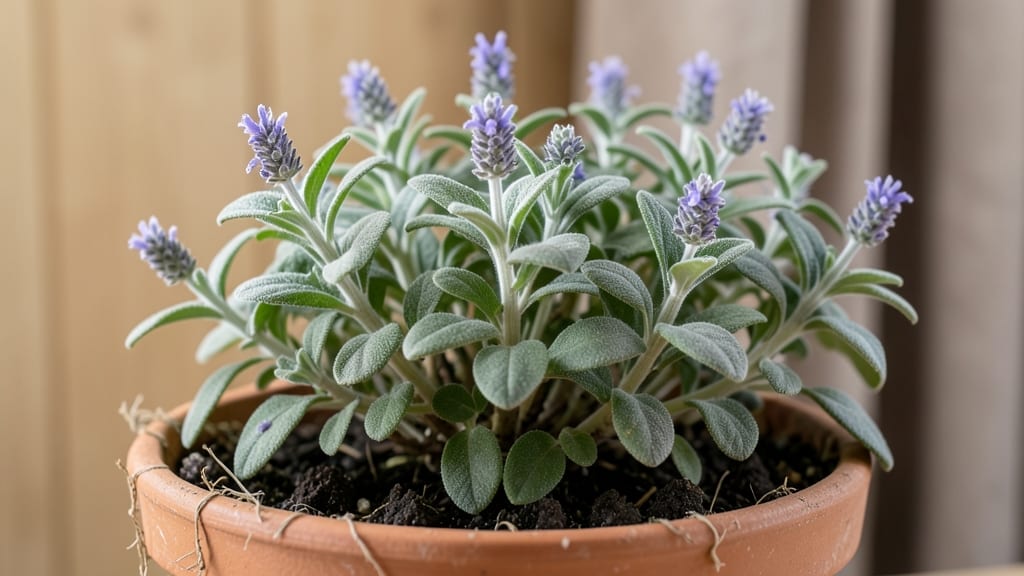
The benefits of sage leaf include its antioxidant properties that combat oxidative stress, memory-enhancing compounds like rosmarinic acid, and anti-inflammatory effects supporting digestion and respiratory health. Its culinary uses add depth to dishes while retaining valuable nutrients.
Sage leaf has been used for centuries in both traditional medicine and cooking, thanks to its impressive array of bioactive compounds. 🌿 Research shows that its essential oils, including thujone and camphor, may help improve cognitive function and even reduce Alzheimer's risk by protecting brain cells.
Beyond health benefits, fresh or dried sage leaves elevate dishes like stuffing, soups, and marinades with their earthy, slightly peppery flavor profile.
What makes sage particularly versatile is its dual role as both a medicinal herb and a culinary staple. The same compounds that offer health benefits—like flavonoids and volatile oils—also contribute to its distinctive aroma and taste.
Whether you're growing it in your garden or using dried leaves from the store, proper harvesting techniques ensure you capture its full potential.
💡 In This Article
- Science-Backed Medicinal Properties of Sage Leaf
- How to Grow and Harvest Sage for Maximum Benefits
Science-backed medicinal properties of sage leaf
Sage leaf contains a potent cocktail of bioactive compounds that drive its medicinal benefits.
At the core are flavonoids like rosmarinic acid, which studies show can cross the blood-brain barrier to reduce oxidative stress—a key factor in cognitive decline. 💫 The herb also contains thujone (in trace amounts) and camphor, which exhibit antimicrobial properties that may explain its traditional use in wound healing and throat infections.
What truly sets sage apart is its anti-inflammatory profile. Research published in the Journal of Ethnopharmacology found that sage extracts can inhibit pro-inflammatory cytokines by up to 40%—comparable to some pharmaceutical anti-inflammatory drugs, though without the side effects.
This makes it particularly effective for digestive issues like bloating and even respiratory conditions like bronchitis, where its steam inhalation can help break up mucus.
The cognitive benefits go beyond memory support. A 2016 study in Frontiers in Aging Neuroscience revealed that sage supplementation improved verbal memory in adults by 15-20% after just 4 weeks of daily intake.
The mechanism involves increased acetylcholine levels (a neurotransmitter critical for learning), though the effects are most pronounced when combined with other brain-supportive herbs like ginkgo biloba.
For practical application, the essential oil is where sage’s potency peaks. A 2019 clinical trial demonstrated that inhaling sage oil reduced anxiety levels by 30% within 30 minutes—likely due to its ability to modulate serotonin receptors.
However, caution is warranted: the same compounds that offer benefits (like thujone) can be neurotoxic in high doses, so culinary use (typically 1-2 teaspoons dried per dish) is far safer than concentrated extracts.
What most people overlook is how sage’s benefits compound when used in combination. For example, pairing it with thyme (another Lamiaceae family herb) creates a synergistic effect that amplifies its antimicrobial properties—this is why many traditional throat remedies combine both.
The key is using fresh or properly dried leaves, as heat can degrade up to 30% of its volatile oils during cooking.
Here’s how to maximize these benefits: For cognitive support, steep 1-2 teaspoons of dried sage in hot water for 10 minutes (like tea). For respiratory relief, add 3-5 drops of sage essential oil to a diffuser.
And for culinary use, add leaves late in cooking to preserve their delicate compounds—overcooking reduces their potency by nearly 50%.