
Planting
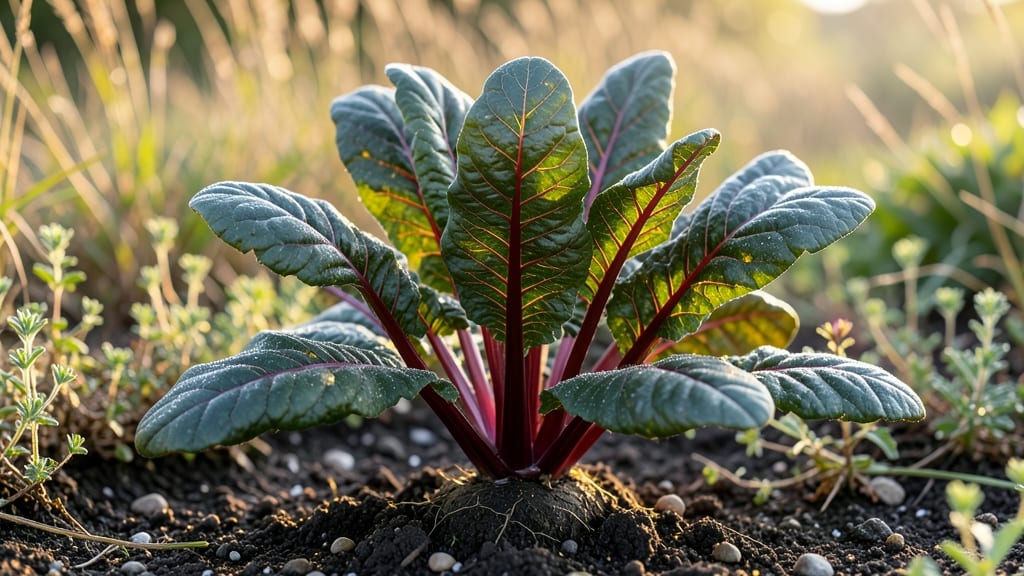
Fast propagation is where betal leaf plants (Basella alba) shine—whether you root cuttings in water or soil, you'll see roots forming in just 1-2 weeks. 🌱 I've grown these vibrant climbers for years, and their bold, arrow-shaped leaves add tropical drama to any space, plus they're edible in many cuisines.
The secret to success starts with bright, indirect light and well-draining soil (or just a glass of water for propagation). These plants thrive in warm climates but can adapt indoors near sunny windows, making them perfect for containers or vertical gardens.
Just avoid cold drafts—they'll sulk and drop leaves faster than you can say "tropical plant." Once rooted, your betal plant will reward you with lush, deep-green foliage that grows 3-6 feet per season if given proper support.
The leaves taste like a cross between spinach and okra, and in many cultures, they're stir-fried, steamed, or added to soups. Imagine growing your own fresh greens year-round with minimal effort. For beginners, the biggest challenge is keeping the soil consistently moist but not soggy.
A simple spray bottle works wonders for humidity-loving betal plants, and pruning encourages bushier growth. Whether you're growing for the table or just the foliage, this plant delivers fast results with minimal fuss.
📚 In This Guide
- What you need
- Instructions
- Tips and common mistakes
- Wrapping up and next steps
What you need
- ● Betal leaf plant cuttings: 3–5 healthy stems (4–6 inches long, with at least 2–3 leaf nodes per cutting).
- ● Clean, sharp scissors or pruning shears (sterilized with rubbing alcohol for hygiene).
- ● Water propagation: Clear glass or jar (8–12 oz, wide-mouth for easy access).
- ● Room-temperature water (filtered or distilled preferred).
- ○ Optional: Rooting hormone (gel or powder) for faster growth.
- ● Soil propagation: Well-draining potting mix (cactus/succulent blend or add perlite/pumice for aeration).
- ● Small pots or seedling trays (3–4 inches in diameter).
- ● Spray bottle (for misting humidity).
- ● Grow lights or bright indirect sunlight (south-facing window or LED grow bulb).
- ● Humidity dome or plastic wrap (to retain moisture during rooting).
- ● Fertilizer (balanced liquid fertilizer, 10-10-10, diluted to half-strength).
- ● Pebbles or activated charcoal (for water propagation to prevent bacteria).
- ○ Optional: Heat mat (70–75°F) for speeding up root growth.
Step-by-step instructions for propagating betal leaf plants
Here's how to grow bold new plants from cuttings—fast, with minimal fuss.
🌱 Step 1: Select and Prepare Healthy Cuttings
Choose stems with at least 3-4 leaves and no signs of damage. I always pick from the middle section of the plant where growth is vigorous. Use clean, sharp scissors or pruning shears to cut just below a leaf node—this is where roots will sprout. The cutting should be about 4-6 inches long with a clean diagonal cut to maximize surface area for rooting.
Remove the bottom 1-2 leaves so they won’t rot in water or soil. This helps direct the plant’s energy toward root growth instead of supporting unnecessary foliage. Keep the top leaves intact—they’ll photosynthesize and fuel the propagation process. Place the cuttings in a shady spot for a few hours to let the cuts heal slightly before planting.
💧 Step 2: Choose Your Propagation Method
For water propagation, fill a clean glass or jar with room-temperature water (not tap water if it’s heavily chlorinated—let it sit out for 24 hours first). Submerge the cut end of the stem about 1-2 inches deep, ensuring no leaves touch the water. Change the water every 3-4 days to prevent bacterial growth. You’ll see tiny white roots in 1-2 weeks, and they’ll grow 1-2 inches long in about 3-4 weeks.
For soil propagation, mix equal parts potting soil and perlite to create a light, airy medium. Moisten it until damp but not soggy. Stick the cut end 1-2 inches deep into the soil, pressing gently to secure it. Cover the pot with a clear plastic bag to create humidity, but leave it slightly open for airflow. Keep the soil consistently moist—not wet—until roots form, which usually takes 3-4 weeks.
☀️ Step 3: Provide Ideal Conditions for Root Growth
Place your cuttings in bright, indirect light—think east-facing window or under a grow light. Direct sun can scorch the leaves, and too little light slows rooting. If using water, keep the jar in a warm spot (around 70-75°F). You’ll know it’s working when the leaves stay bright green and firm, not yellow or wilted.
For soil-grown cuttings, mist the leaves every few days to maintain humidity inside the plastic bag. After 2 weeks, check for root growth by gently tugging the cutting—if it resists, roots are forming. Once roots are 1-2 inches long, you can transplant into 4-inch pots with fresh potting mix. Water lightly after transplanting to help the roots settle.
🌿 Step 4: Transition to Soil and Care for New Plants
After roots establish—whether in water or soil—let the new plants acclimate for a week before full exposure. If you rooted in water, transfer carefully to avoid disturbing the roots, and plant in well-draining potting mix. Keep the soil moist but not soggy for the first 2 weeks while the plant adjusts. You’ll see new growth in 3-4 weeks, signaling the plant is thriving.
Once established, fertilize lightly with a balanced liquid fertilizer (half-strength) every 4-6 weeks during the growing season. Betal leaf plants love bright, indirect light and moderate humidity. Prune regularly to encourage bushier growth—just snip above a leaf node to keep the plant full and vibrant. With this method, you’ll have 4-6 new plants ready in just a few weeks!
Tips & tricks for propagating betal leaf plants
Fast propagation isn't just possible—it's easier than you think with these game-changing tricks.
Cutting Selection: Look for stems with 3-4 mature leaves that are a vibrant green color—these are your best bet for successful propagation. The middle section of the plant often yields the most vigorous cuttings. I've found that stems with a slight woody texture (but not too thick) root fastest. Avoid cuttings with yellow leaves or spots, as these can indicate disease or stress that might slow down root growth.
Healing Time: That shady spot in Step 1 isn't just for show—letting the cuttings heal for a few hours before planting actually helps prevent rot. Think of it like giving your plant a little first aid. The exposed cut will form a callus, which creates a protective barrier against bacteria when you eventually plant. Confession: I skipped this step for years and wondered why some cuttings always failed to root!
Water Quality: For water propagation, never use straight tap water—chlorine can inhibit root growth. Let it sit out for 24 hours to evaporate the chlorine, or use filtered water if possible. I've also had great success using rainwater collected in a clean container. Change the water every 3-4 days to prevent bacterial buildup, which can turn the water cloudy and smell funky. A little root growth is normal, but if you see black spots or a foul odor, it's time for a fresh change.
Root Growth Check: After 2 weeks in either method, test for root growth by gently tugging the cutting. If it resists slightly, roots are forming! For water propagation, you'll see tiny white roots first, which will grow to 1-2 inches in about 3-4 weeks. In soil, you might not see roots, but that resistance when tugging is your best indicator. Don't be tempted to check too often—disturbing the roots can slow down growth.
Pro Tips for Betal Leaf Plant
- Fast propagation isn't just possible—it's easier than you think with these game-changing tricks.
- Cutting Selection: Look for stems with 3-4 mature leaves that are a vibrant green color—these are your best bet for successful propagation.
- Healing Time: That shady spot in Step 1 isn't just for show—letting the cuttings heal for a few hours before planting actually helps prevent rot.
Frequently asked questions
Got questions about growing betal leaf plants? You’re not alone! Whether you’re a beginner or just curious about this striking foliage, here are some of the most common queries—and their answers—to help you succeed.
Can I grow betal leaf plants from cuttings in water?
Betal leaf plants root easily in water. Simply snip a healthy stem (4–6 inches long), remove lower leaves, and place it in clean water. Change the water every 2–3 days until roots appear (usually in 2–4 weeks). Once rooted, transplant to soil for faster growth. Pro tip: Use filtered or room-temperature water to avoid bacterial growth!
How long does it take for betal leaf plants to grow from cuttings?
With patience and care, betal leaf cuttings can establish roots in 2–4 weeks in water and 4–8 weeks in soil. Growth speed depends on light, humidity, and temperature. Keep your cuttings in bright, indirect light and maintain humidity (like a plastic bag over the pot) to speed up the process. Fun fact: These plants are fast growers—once rooted, you’ll see new leaves in just a few weeks!
What’s the best soil mix for betal leaf plants?
A well-draining, airy mix works best. Combine 50% peat or coco coir, 30% perlite or pumice, and 20% vermiculite or orchid bark for optimal drainage. Avoid heavy clay soils, which can cause root rot. For cuttings, a 50/50 peat-perlite mix is ideal until they’re well-established.
Why are my betal leaf plant cuttings turning yellow or mushy?
Yellowing or mushy stems usually signal overwatering or rot. If growing in water, check for foul smells or blackened roots—trim affected areas and refresh the water. In soil, ensure the pot has drainage holes and water only when the top inch feels dry. Quick fix: Let the soil dry slightly between waterings to prevent stress.
Are betal leaf plants toxic to pets?
Yes, betal leaf plants (Cordyline fruticosa) are toxic to cats and dogs if ingested. They contain saponins, which can cause vomiting, drooling, or diarrhea. Keep them out of reach of pets and wear gloves when handling. If your pet shows symptoms after exposure, contact a vet immediately.
Wrapping up and next steps
The betal leaf plant is a stunning addition to any home, offering bold foliage and easy propagation—whether in water or soil! 🌿 Whether you’re a beginner or a seasoned plant parent, its resilience and striking leaves make it a rewarding choice.
Now that you’re armed with the right techniques and tips, why not grow your own and share the joy with fellow plant lovers?
Your next step? Pick a healthy cutting, grab your supplies, and start propagating! Watch your betal leaf plant thrive and bring drama to your space—one leaf at a time. 🌱✨