
Leaf Blower
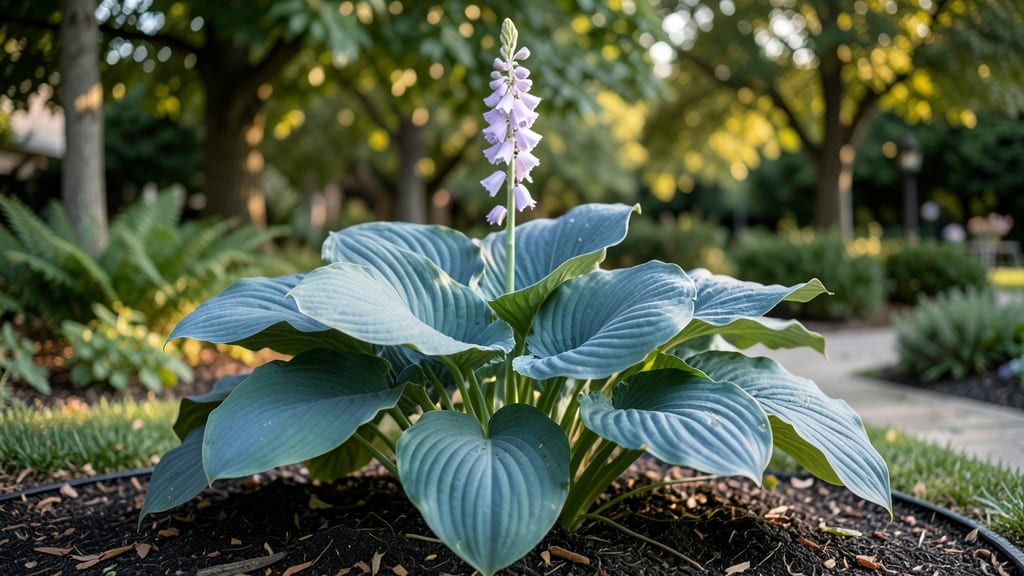
Big leaf hosta crispy edges and fungal spots typically appear due to inconsistent watering, excessive sunlight exposure, or fungal infections like leaf spot. Fix them by providing filtered shade, watering at the base rather than overhead, and applying fungicide or neem oil as a preventive measure. Regularly trim affected leaves to promote healthier growth.
Big leaf hostas are stunning but sensitive plants, and their broad foliage makes them particularly vulnerable to stress-related damage. 🌿 The crispy edges you see often stem from a combination of factors: uneven moisture levels, salt buildup from tap water, or even the plant's natural response to heat stress.
Fungal infections thrive in humid conditions, especially when airflow around the leaves is restricted by overcrowding or dense mulch.
I’ve found that moving hostas to a spot with morning sun and afternoon shade can work wonders—just be sure to water slowly at the soil level to avoid wetting the leaves, which encourages fungal growth.
For prevention, focus on creating the right environment: a thick layer of organic mulch helps retain moisture while regulating soil temperature.
If you notice early signs of leaf spot, a mixture of 1 tablespoon baking soda and 1 quart water sprayed on the undersides of leaves can act as a natural fungicide.
And always prune damaged foliage in late winter or early spring—this not only improves appearance but also reduces the risk of disease spreading to new growth.
💡 In This Article
- Why Big Leaf Hostas Develop Crispy Edges and Fungal Spots
- Step-by-Step Hosta Recovery and Prevention Guide
Why big leaf hostas develop crispy edges and fungal spots
The crispy edges on big leaf hostas are primarily caused by a physiological process called transpiration imbalance. These large leaves have a high surface area that loses moisture rapidly through tiny pores called stomata, especially when exposed to hot afternoon sun or dry winds.
When roots can't supply enough water to compensate, the leaf edges dry out first, creating those telltale brown margins. Think of it like a sponge: if you squeeze one end too hard, the other end dries out first. 🌿
Salt buildup from tap water or fertilizers further exacerbates this issue. When water evaporates from the soil surface, it leaves behind mineral deposits that create a crusty layer around the roots. This crust blocks water absorption, forcing the plant to rely on its limited reserves.
Big leaf varieties are particularly vulnerable because their broad foliage requires more moisture than smaller hostas. The ideal soil moisture level for these plants should be consistently between 30-40% humidity in the root zone, which is harder to maintain in full sun conditions.
Fungal infections like leaf spot thrive due to the hosta's leaf anatomy and environmental conditions. The thick, waxy surface of hosta leaves traps moisture, creating a perfect breeding ground for pathogens when combined with high humidity (above 70%) and poor airflow.
Overcrowded plantings restrict circulation, while dense mulch layers can suffocate roots and trap excess moisture. The dark spots you see are actually fungal spores spreading—similar to how bread develops mold when stored in a sealed plastic bag. 🍄
Afternoon sun exposure is particularly damaging because it combines intense heat with low humidity, creating the perfect storm for both edge browning and fungal stress. Hostas evolved in woodland understories where they received dappled light, not the harsh 10,000+ foot-candles of direct afternoon sunlight.
This is why you'll often see crispy edges developing between 2-4 PM when temperatures peak and humidity drops. The plant's natural defense mechanism kicks in, causing the edges to curl and dry out as a protective measure.
Poor airflow also plays a critical role in fungal development. When hosta leaves remain damp for extended periods—either from overhead watering or morning dew—the fungal spores can germinate within 24-48 hours.
The undersides of leaves are particularly vulnerable because they're often shaded and cooler, creating ideal conditions for pathogen growth. This is why you'll frequently see fungal spots starting on the lower leaves first, where airflow is most restricted. 🌬️
Understanding these mechanisms helps explain why big leaf hostas show symptoms differently than smaller varieties. Their larger surface area means they require 20-30% more water than their compact cousins, and their thicker leaves make them more susceptible to both heat stress and fungal infections.
The key to prevention lies in mimicking their natural woodland environment—providing filtered light, maintaining proper soil moisture, and ensuring good airflow around the foliage. This combination creates the optimal conditions for healthy hosta growth.