
Pruning
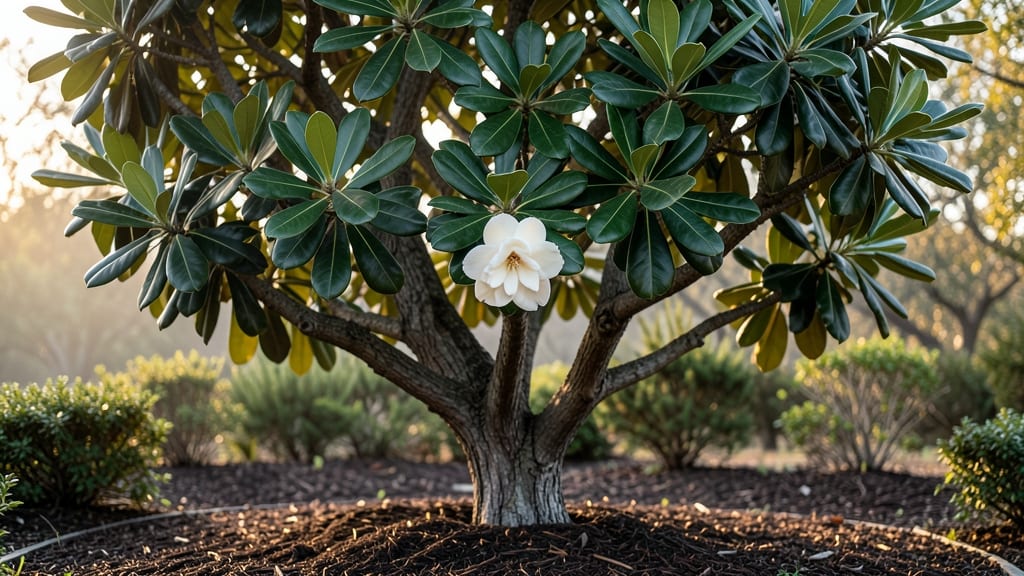
Pruning your big leaf magnolia tree isn’t just about shaping—it’s about unlocking its full potential. 🌿 These towering beauties, with their massive leaves and dramatic blooms, reward careful cuts with years of lush growth and vibrant flowers. The key? Knowing when and how to trim without stressing the tree.
Most pruning happens in late winter or early spring, but light shaping after blooms removes spent flowers while preserving next year’s buds. Avoid heavy cuts in summer—they stress the tree when it’s already working hard to fuel growth.
Think of it like giving your magnolia a spa day: gentle, timed, and always with sharp tools.
You’ll notice thicker foliage, more abundant blooms, and a stronger structure over time. The large leaves stay glossy and healthy, and the tree’s natural shape becomes even more striking. Even beginners can master this—just follow the simple rules and watch your magnolia thrive.
Works for both young trees and mature giants, though the approach adjusts with size. Here’s how to start pruning like a pro, without overcomplicating it. Let’s get those branches looking their best!
📚 In This Guide
- What you need
- Instructions
- Tips and common mistakes
- Wrapping up and next steps
What you need
- ● Pruning shears: Bypass pruners (for cuts up to ½ inch in diameter) – look for sharp, bypass-style blades for clean cuts.
- ● Loppers: 1 pair (for branches ½ to 1½ inches thick) – choose anvil or bypass type with a 6–8 foot reach.
- ● Pruning saw: 1 (for branches 1½+ inches thick) – opt for a curved blade for precision.
- ● Disinfectant: 70% isopropyl alcohol or a pruning sealant (to prevent disease spread).
- ● Gloves: Heavy-duty, cut-resistant gloves (to protect from thorns and sap).
- ● Safety gear: Safety glasses and long sleeves/pants (magnolia sap can irritate skin!).
- ● Ladder or extension pole: Sturdy and tall enough to reach the highest branches safely.
- ○ Twine or burlap: For wrapping wounds on larger cuts (optional but helpful for healing).
- ● Tree wound paint: Pruning sealant (only use on cuts larger than 2 inches in diameter).
- ● Marking spray: Temporary chalk or spray paint to mark branches for removal.
- ● Workbench or tarp: To organize tools and debris while pruning.
- ● Camera: Snap photos of your progress (great for tracking growth over time!).
Step-by-step guide to pruning your big leaf magnolia
Here's how to keep your magnolia thriving with clean, strategic cuts that encourage lush growth.
✂️ Step 1: Time Your Pruning for Optimal Growth
Prune your big leaf magnolia late winter to early spring, just as buds begin to swell but before new growth starts. This timing ensures you're not cutting into next year's blooms or disrupting the tree's natural cycle. For minor shaping cuts, you can prune lightly after flowering in late spring, but avoid heavy pruning then—it can stress the tree during its active growing season.
I always check for tight, plump buds along the branches as my signal to start. These buds signal the tree's readiness to grow, and pruning at this stage encourages strong, healthy new shoots. If you miss this window, wait until late summer for minimal pruning, but avoid cutting back significantly after mid-summer—new growth won't harden off before winter.
✂️ Step 2: Gather the Right Tools for Clean Cuts
Use sharp, sterilized pruning shears for cuts smaller than ½ inch in diameter, and a pruning saw for thicker branches. Dull tools crush branches, leaving ragged edges that invite disease. I always clean my tools with rubbing alcohol before and after pruning to prevent spreading bacterial or fungal infections between cuts.
Wear gloves—magnolia branches can be sharp, and the sap sometimes irritates skin. A small bucket for collecting debris and a ladder (if needed) are also essential. Never prune when the tree is wet; damp conditions increase the risk of spreading pathogens through open cuts.
✂️ Step 3: Remove Dead, Diseased, or Weak Branches First
Scan the tree for dead wood (branches that snap easily, have no leaves, or show dark, hollow centers) and diseased branches (mushroom growth, oozing sap, or unusual discoloration). Cut these out first, making your cuts just outside the branch collar—the swollen area where the branch meets the trunk. This ensures the tree can seal the wound properly and prevents decay from spreading.
Next, remove crossing branches or those growing inward toward the center of the tree. These compete for sunlight and nutrients, weakening the tree's structure. I always step back to visualize the tree's natural shape—my goal is to open up the canopy for better airflow and light penetration without altering the magnolia's graceful, layered form.
✂️ Step 4: Thin and Shape for Balance and Airflow
Selectively thin the canopy by removing up to 25% of the foliage to improve light and air circulation. Focus on branches that are too close together or growing at sharp angles. Cut back to a side branch or bud, never leaving a stub—this encourages healthy regrowth and maintains the tree's natural shape.
For shaping, I make small, gradual adjustments rather than drastic changes. Big leaf magnolias have thick, leathery leaves that grow best when they receive dappled sunlight—avoid over-thinning, which can expose the tree to harsh afternoon sun. After each cut, step back to check the tree's balance; the goal is to preserve its elegant, rounded silhouette.
🌿 Step 5: Clean Up and Monitor for Recovery
Remove all pruned branches and debris from the base of the tree to prevent pests and diseases from taking hold. I also apply a wound sealant (like pruning paint) to cuts larger than ½ inch in diameter to protect them from moisture and infection. While sealants aren't always necessary for magnolias, they can help in humid climates where fungal issues are common.
Water the tree deeply after pruning to help it recover, especially if you've removed a significant portion of the canopy. Watch for new growth in 4-6 weeks—this is your sign that the tree is healing well. If you notice yellowing leaves or stunted growth after pruning, it may mean the cuts were too severe or the timing was off. Adjust your approach for next time and give the tree extra care.
Tips & tricks for pruning your big leaf magnolia
Here's what I've learned from years of watching magnolias thrive after careful pruning.
Timing is Everything: The late winter to early spring window is critical because that's when your magnolia naturally prepares for new growth. I've seen trees stressed from pruning too late in spring—look for those tight, plump buds as your green light. If you must prune later, stick to minimal shaping in late summer, but never after mid-summer when new growth won't have time to harden off before winter.
Tool Prep Prevents Problems: Sterilizing your tools with rubbing alcohol between cuts is non-negotiable—it's how I've avoided fungal infections that can spread through open wounds. I also recommend using a small bucket to collect debris immediately; leaving branches on the ground creates moisture traps that attract pests. And for heaven's sake, never prune when branches are wet—pathogens spread like wildfire in damp conditions.
Precision Cuts Create Perfect Shape: When thinning the canopy, focus on removing up to 25% of foliage to maintain that dappled sunlight effect magnolias love. I always cut back to a side branch or bud rather than leaving stubs—this encourages healthy regrowth while maintaining the tree's elegant silhouette. For cuts larger than ½ inch, I apply wound sealant in humid climates, even though magnolias generally heal well.
Recovery Signs Tell the Real Story: After pruning, watch for new growth in 4-6 weeks as your success indicator. Yellowing leaves or stunted growth usually means you either cut too aggressively or missed the optimal timing window. If you notice these signs, cut back on future pruning and focus on deep watering to help the tree recover its strength.
Pro Tips for Big Leaf Magnolia Tree
- Here's what I've learned from years of watching magnolias thrive after careful pruning.
- Timing is Everything: The late winter to early spring window is critical because that's when your magnolia naturally prepares for new growth.
- Tool Prep Prevents Problems: Sterilizing your tools with rubbing alcohol between cuts is non-negotiable—it's how I've avoided fungal infections that can spread through open wounds.
Frequently asked questions
Got questions about pruning your big leaf magnolia tree? You’re not alone! Here are some of the most common concerns—and practical answers—to keep your tree thriving year-round.
When is the best time to prune a big leaf magnolia?
The ideal time to prune is late winter or early spring (February–March), just before new growth begins. Avoid pruning in fall or winter when the tree is dormant, as cold snaps can stress it. Never prune during flowering season—this can reduce next year’s blooms!
Can I prune my magnolia in summer?
Summer pruning is possible, but it’s not recommended for big leaf magnolias. Heavy pruning during hot months can stress the tree, leading to sunburn or pest issues. If you must trim, do so lightly and in early summer—focus on removing dead branches or shaping, not major cuts.
What if I see sap oozing after pruning?
Sap bleeding (or “weeping”) is normal for magnolias and harmless—it’s the tree’s way of sealing wounds. To minimize it, prune on a cooler day and use sharp tools for clean cuts. If sap attracts insects, wipe it away with a damp cloth. No need to panic! The tree will heal naturally.
How much can I trim back without harming the tree?
Big leaf magnolias are resilient, but never remove more than 25% of the canopy in one season. Over-pruning can weaken the tree or reduce flowering. For structural cuts, limit yourself to 10–15% per year. Always prioritize removing dead, diseased, or crossing branches first.
Should I prune after a storm damages my magnolia?
Yes! Remove broken, split, or hanging branches immediately to prevent further damage or pests. Use sterilized tools to make clean cuts just outside the branch collar. If the damage is severe, consider consulting an arborist. Safety first!
Wrapping up and next steps
The big leaf magnolia tree thrives when pruned with care and precision—whether you’re shaping its grandeur or promoting vibrant blooms.
By following seasonal best practices and using the right tools, you’ll ensure a healthier, more stunning tree year after year. Now’s the perfect time to roll up your sleeves and give your magnolia the love it deserves!
🌿 Your Next Step:
- Mark your calendar for late winter or early spring—the ideal time for major pruning.
- Grab your tools and start small if you’re new to pruning.
- Watch your magnolia transform into a showstopper with every careful cut! 🌸