
Pests and Diseases
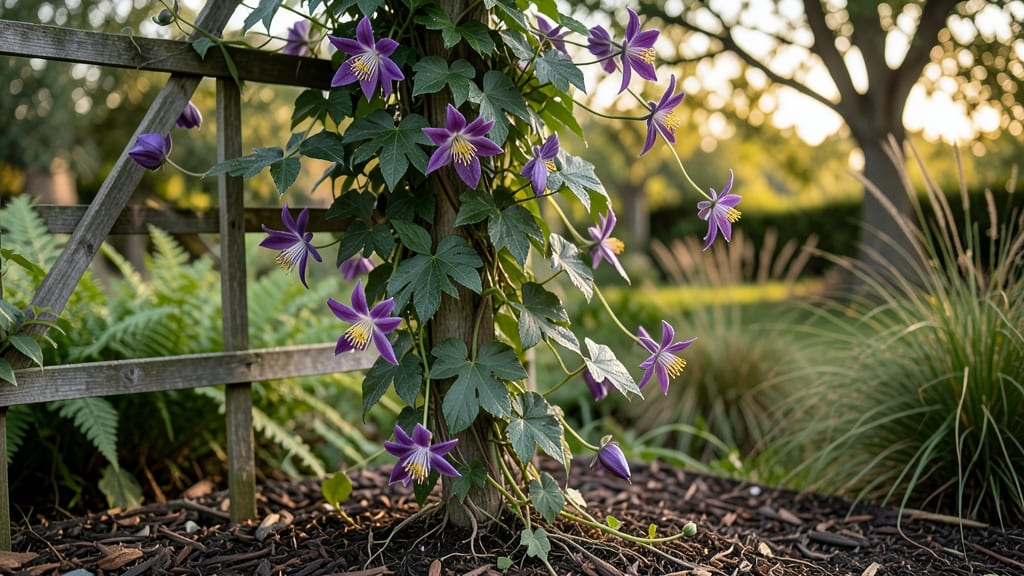
Growing big leaf vines transforms any space into a shockingly lush vertical garden—no green thumb required. 🌿 I’ve turned my balcony into a jungle with Cobaea scandens and Hedera helix, and the secret isn’t just planting but knowing when and how to prune for year-round growth.
These vines thrive on neglect but reward precision with dramatic foliage that lasts through all four seasons.
The key to success starts with the right setup: well-draining soil, 6+ hours of sunlight (or dappled shade for Hedera), and sturdy trellises or arbors. My biggest mistake? Skipping the support structure—now I use powder-coated metal grids that last decades.
Watering’s simple too: keep soil moist but never soggy, and you’ll avoid the root rot that kills so many vines.
Pruning isn’t just about tidying up—it’s how you unlock dense, bushier growth. Cut back leggy stems in early spring and again after flowering, and you’ll trigger a second wave of lush foliage by summer.
The payoff? A wall of greenery that blooms with delicate flowers and stays vibrant even in winter’s chill.
Whether you’re training them up a fence or letting them spill over a container, these vines adapt to almost any space. The real magic happens when you pair them with climbers like jasmine or clematis—suddenly, your garden has layers of texture and color that never quit.
Let’s get those vines growing!
📚 In This Guide
- What you need
- Instructions
- Tips and common mistakes
- Wrapping up and next steps
What you need
- ● Pruning shears: Sharp, bypass-style shears (for clean cuts) – 1 pair (💡 Pro Tip: Sterilize with rubbing alcohol between cuts to prevent disease spread!)
- ● Gloves: Heavy-duty gardening gloves (nitrile-coated for grip and protection) – 1 pair
- ● Disinfectant: 70% isopropyl alcohol or a 10% bleach solution (for sterilizing tools)
- ● Spray bottle: 8–16 oz. (for diluted solutions like neem oil or fungicides)
- ● Hose or watering can: With a fine mist nozzle (for targeted watering)
- ● Pest control: Neem oil: 100% cold-pressed, 16 oz. bottle (dilute to 1–2% for spraying)
- ● Insecticidal soap: 16 oz. ready-to-use (for soft-bodied pests like aphids)
- ● Systemic fungicide: Copper-based or myclobutanil (for fungal diseases like powdery mildew)
- ● Loppers: For thicker stems (if your vine grows large)
- ● Trowel: Small hand trowel for soil checks or removing debris
- ● Reflective mulch: Aluminum foil or landscape fabric (to deter pests like spider mites)
- ● Grow lights: LED or fluorescent (if growing indoors year-round)
- ● Humidity tray: For indoor vines (to combat dry air)
How to cultivate big leaf vines for year-round foliage beauty
These dramatic, glossy-leafed climbers thrive with the right approach—here’s how to coax their full potential.
🌿 Step 1: Select the Right Variety and Planting Site
Big leaf vines like Alocasia or Philodendron bipinnatifidum need bright, indirect light—think dappled shade or a north-facing window. I always check the plant’s natural habitat: tropical understories get filtered sun, so mimic that with sheer curtains if needed. Avoid harsh afternoon rays, which scorch tender leaves and leave crispy edges.
Choose a sturdy trellis or moss pole at least 6 feet tall—these vines can sprawl aggressively. The pole should be 1-2 inches in diameter so roots can cling naturally. I anchor mine with a heavy base or tie it to the wall to prevent toppling. Plant in well-draining soil with 30% perlite or orchid bark to prevent root rot, which is their #1 killer.
💧 Step 2: Master the Watering Balance
Big leaf vines despise soggy soil but hate drying out too. I water when the top 2 inches of soil feel dry—stick your finger in to check. Overwatering causes yellow leaves, while underwatering makes them crisp and brown at the edges. The key is consistency: aim for 1 inch of water weekly, adjusting for humidity (more in dry climates, less in humid ones).
Mist the leaves occasionally to mimic tropical humidity, but avoid soaking them—water droplets can cause fungal spots. I use a spray bottle in the morning so leaves dry quickly. In winter, when growth slows, cut back to watering every 10-14 days, letting the soil dry slightly between sessions.
☀️ Step 3: Train Vines for Maximum Fullness
Gently coil the vine around the trellis or pole every 6-8 inches to encourage upward growth. I tie new growth with soft twine or use twistable plant ties—never wire, which can gouge the stems. Big leaf vines grow fast, so check weekly for new tendrils. Prune leggy stems back to a leaf node to redirect energy into bushier growth.
Here’s the pruning secret: cut just above a visible leaf node (the bump where leaves emerge) at a 45-degree angle. This prevents water from pooling on the cut and encourages branching. I also snip any yellow or damaged leaves immediately—they sap energy from the plant.
✂️ Step 4: Year-Round Care Adjustments
Spring and summer are growth powerhouses, so fertilize monthly with a balanced 20-20-20 liquid fertilizer diluted to half strength. In fall, switch to a low-nitrogen 10-10-10 to prep for dormancy. Winter slows growth, so reduce fertilizer to every 6-8 weeks and keep the plant in 60-65°F temperatures—no drafts or cold windows.
Watch for pests like spider mites (tiny webs on undersides of leaves) or mealybugs (cottony white clumps). I treat infestations with a 70% alcohol spray or neem oil—never harsh chemicals, which burn delicate foliage. Wipe leaves with a damp cloth monthly to remove dust, which blocks light absorption.
🌱 Step 5: Propagate for Free Plants
Big leaf vines multiply easily from stem cuttings. Snip a 4-6 inch section just below a node, strip the lower leaves, and dip the cut end in rooting hormone. Plant in moist perlite or sphagnum moss and cover with a plastic bag to retain humidity. Roots form in 3-4 weeks if kept in 70-75°F with bright, indirect light.
Transplant rooted cuttings into individual pots once they’ve developed 2-3 new leaves. I always label new plants with the variety and date—these vines grow fast, and you’ll forget which one is which if you don’t. Propagating ensures you always have backups if a mature plant declines.
Tips & tricks for perfect big leaf vine cultivation
Transforming your space with these tropical beauties requires a few insider tricks that save time and prevent common pitfalls.
Lighting Strategy: Position your big leaf vine near an east-facing window where it receives gentle morning light—this mimics their natural tropical understory habitat. If your space lacks natural light, supplement with a grow light for 12-14 hours daily during winter months. I've seen these vines thrive under LED grow lights placed 12 inches above the foliage, creating that perfect dappled shade effect without the risk of scorching.
Support System: When installing your 6-foot tall trellis or moss pole, bury at least half the pole's length underground for stability. This prevents toppling during vigorous growth spurts. For indoor setups, anchor the base with heavy books or weights to keep it steady. I've learned this the hard way—once a pole toppled and took down my entire plant collection!
Pruning Precision: When pruning leggy stems in Step 3, look for the first visible leaf node below the leggy section—this is your cutting point. The 45-degree angle cut is crucial because it prevents water from pooling on the wound, which could lead to rot. I always sterilize my pruning shears with rubbing alcohol between cuts to prevent bacterial spread.
Seasonal Adjustments: During winter's 60-65°F temperature range, reduce watering to every 10-14 days and cut back fertilizer to every 6-8 weeks. The key is to match your care routine to the plant's natural dormancy period. I've noticed that maintaining consistent temperatures in this range prevents the stress that often causes leaf drop during winter months.
Pro Tips for Big Leaf Vines
- Transforming your space with these tropical beauties requires a few insider tricks that save time and prevent common pitfalls.
- Lighting Strategy: Position your big leaf vine near an east-facing window where it receives gentle morning light—this mimics their natural tropical understory habitat.
- Support System: When installing your 6-foot tall trellis or moss pole, bury at least half the pole's length underground for stability.
Frequently asked questions
Got questions about keeping your big leaf vines thriving? Here are answers to the most common concerns—from pruning to pests and everything in between!
When is the best time to prune big leaf vines?
Prune your big leaf vines in late winter or early spring (before new growth starts) to encourage vigorous blooms. Light trimming after flowering can also help maintain shape. Avoid heavy pruning in fall—it may stress the plant before winter. Pro tip: Use clean, sharp shears to prevent disease!
How do I prevent pests like spider mites or aphids on my vines?
Spider mites and aphids love big leaf vines—but you can fight back! Spray leaves with water daily to deter mites, or use neem oil (1 tsp per quart of water) for organic control. Introduce ladybugs or lacewings to eat aphids naturally. Remove heavily infested leaves immediately to stop the spread.
Can big leaf vines survive winter in cold climates?
Most big leaf vines (like Cobaea scandens) are tender perennials and need protection below 20°F (-6°C). Cut back vines, mulch heavily, and wrap containers in burlap or frost cloth. In zones 9-11, they thrive year-round with minimal care!
What’s a good alternative if my big leaf vine isn’t thriving?
If your vine struggles with pests, heat, or slow growth, try these low-maintenance alternatives:
- Passionflower vine (drought-tolerant, fragrant blooms)
- Clematis (hardy, climbs easily, varied colors)
- Jasmine (scented, pest-resistant, evergreen in warm zones)
Why are my vine’s leaves yellowing or dropping?
Yellow leaves usually signal overwatering, nutrient deficiency, or root rot. Check soil moisture—vines prefer well-draining soil and water only when top 1-2 inches are dry. Fertilize in spring with a balanced 10-10-10 mix. If roots smell rotten, repot in fresh soil and trim affected roots.
Bonus Tip: How fast do big leaf vines grow?
These vines are fast growers—expect 6-10 feet per season with proper care! Provide a trellis or sturdy support early to guide growth. Prune regularly to manage size and encourage bushier, healthier foliage. Patience pays off—they’ll reward you with dramatic, tropical-looking leaves!
Wrapping up and next steps
Big leaf vines are a gardener’s dream—offering year-round beauty with minimal fuss! By mastering pruning techniques, you’ll keep them thriving, pest-free, and lush. Whether you’re trimming for shape, health, or growth, the key is consistency and care—your vines will reward you with vibrant foliage and resilience.
Ready to transform your space? Grab your shears and start pruning today—your big leaf vines (and your neighbors!) will thank you. 🌿✨