
Flowers
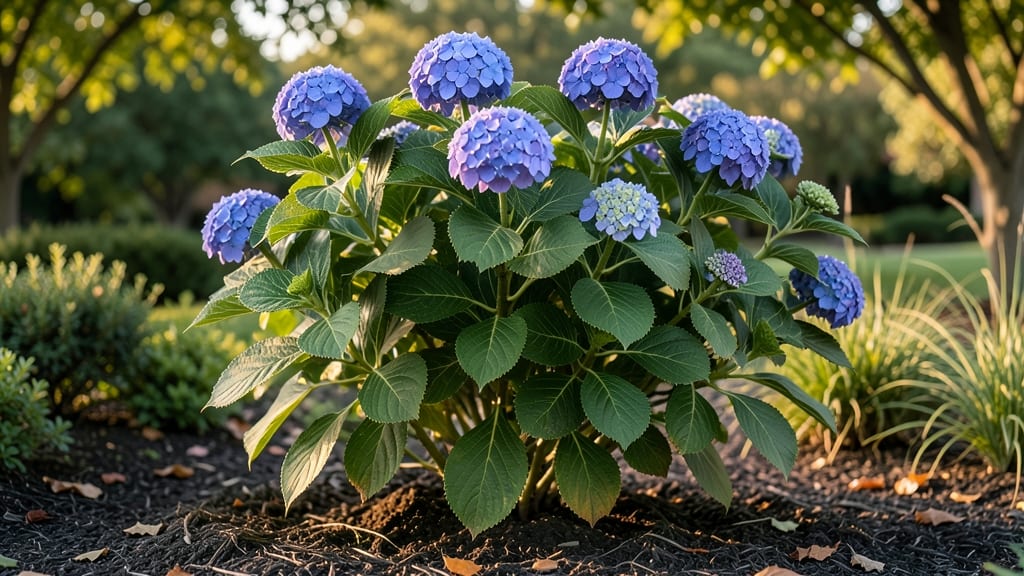
Growing bigleaf hydrangea flowers means year-round drama with almost no pruning—just patience and the right conditions. 🌿 I’ve watched mine transform from tight buds in spring to bold blooms in summer, then into fiery fall foliage, all while needing less fuss than most perennials.
The secret lies in understanding their love for shade, moisture, and that perfect balance between sun and shelter. These plants thrive in partial shade (think morning sun, afternoon shade) and soil that stays consistently moist but never soggy.
My lacecap varieties produce delicate, lacy blooms, while the mopheads give those iconic globe-shaped flowers—both types reward you with three seasons of interest. The key is matching your hydrangea’s needs to your garden’s microclimate.
By late summer, you’ll be adjusting water and soil pH to shift bloom colors from pink to blue (or vice versa)—a trick that never fails to impress neighbors. The foliage alone stays stunning through winter, making it a low-maintenance showstopper that pays dividends year after year.
Whether you’re starting with bare roots or a nursery plant, this guide covers the exact steps to keep your hydrangeas happy, healthy, and blooming like a pro—without the overwhelm.
📚 In This Guide
- What you need
- Instructions
- Tips and common mistakes
- Wrapping up and next steps
What you need
- ● Bigleaf hydrangea plant – Choose a healthy nursery-grown Hydrangea macrophylla (bare-root or potted). Opt for varieties like 'Nikko Blue,' 'Endless Summer,' or 'Limelight' for vibrant colors.
- ● Well-draining soil – A mix of 50% topsoil, 30% compost, and 20% perlite or coarse sand (to prevent root rot). Aim for a pH of 5.5–6.2 for blue blooms or 6.0–7.0 for pink.
- ● Organic mulch – 3–4 inches of shredded bark, wood chips, or pine needles to retain moisture and regulate soil temperature.
- ● Slow-release fertilizer – A balanced 10-10-10 or acid-loving plant fertilizer (like Miracle-Gro Azalea, Camellia, & Rhododendron) applied 2–3 times per year (spring, summer, and early fall).
- ● Watering can or hose with a gentle spray nozzle – Bigleaf hydrangeas thrive with 1–1.5 inches of water per week, especially during their first growing season.
- ● Garden trowel or shovel – For planting and amending soil.
- ● Pruning shears (bypass or anvil type) – Sharp, clean tools (sterilize with rubbing alcohol between cuts to prevent disease).
- ● Gloves – Heavy-duty gardening gloves to protect against thorns and soil.
- ● Measuring tape or ruler – To ensure proper spacing (3–5 feet apart for mature plants).
- ○ pH testing kit – Optional but helpful for monitoring soil acidity (e.g., Luster Leaf Rapitest).
- ○ Aluminum sulfate or sulfur – Optional, for lowering pH if needed (follow package instructions).
- ● Container (if growing in pots) – At least 15–20 gallons with drainage holes (terracotta or fabric pots work well).
- ● Sunlight – Partial shade (morning sun + afternoon shade) is ideal, especially in hot climates. Tolerates full shade but may produce fewer blooms.
- ● Moisture-retentive location – Avoid windy spots; hydrangeas prefer consistent humidity (group plants together or use a mulch ring to retain moisture).
- ● Patience – Bigleaf hydrangeas can take 1–2 years to establish and bloom fully, but they’re worth the wait!
Step-by-step guide to planting and caring for bigleaf hydrangeas
Here's how to grow these showstopping shrubs with bold blooms that last all season—no fuss required.
🌱 Step 1: Choose the Perfect Planting Location
Bigleaf hydrangeas thrive in partial shade, where they receive morning sun and afternoon shade—this prevents leaf scorch while ensuring strong blooms. I always look for a spot with dappled sunlight under trees or on an east-facing side of the house. The ideal location also has well-draining soil to prevent root rot, which is a common issue with these thirsty plants.
Dig a hole twice as wide as the root ball but only as deep—planting too deep suffocates the roots. Loosen the sides of the hole with your hands or a trowel to encourage root spread. This ensures your hydrangea establishes quickly and produces those signature large, lush blooms within its first growing season.
💧 Step 2: Plant and Water for Immediate Support
Place the hydrangea in the hole, ensuring the top of the root ball sits level with the surrounding soil. Fill in around the roots with a mix of native soil and compost (about 20% compost by volume) to improve fertility without overwhelming the plant. Press gently to remove air pockets, but don’t compact the soil—hydrangeas need room for roots to breathe.
Water deeply right after planting—soak the soil until it’s 6 inches deep to encourage roots to grow outward. I like to use a soaker hose to avoid disturbing the soil surface. Mulch with 2-3 inches of shredded bark or wood chips around the base (but not touching the stem) to retain moisture and regulate soil temperature. This step is critical: proper watering at planting sets the stage for vibrant blooms the following summer.
☀️ Step 3: Maintain Soil Moisture and Fertility
Bigleaf hydrangeas are heavy drinkers—keep the soil consistently moist but never soggy. Water 2-3 times per week during the first growing season, adjusting for rainfall. You’ll know you’re on track when the top 2 inches of soil feel damp to the touch. Overwatering causes yellowing leaves, while underwatering leads to droopy, wilted blooms—neither is ideal for that dramatic look.
Feed with a balanced, slow-release fertilizer (10-10-10) in early spring, just as new growth appears. I avoid high-nitrogen fertilizers—they promote leafy growth at the expense of flowers. Instead, I top-dress with 1-2 inches of compost in late spring to support steady blooming. This ensures your hydrangea puts energy into bold, colorful blooms rather than just foliage.
✂️ Step 4: Prune for Next Year’s Blooms
Bigleaf hydrangeas bloom on old wood, so pruning is minimal but strategic. Wait until late winter or early spring (just before buds swell) to trim. Remove dead, diseased, or crossing branches first—these compete with healthy growth. Use clean, sharp pruners to make cuts just above a bud or lateral branch to encourage bushier growth.
Shape the shrub by cutting back overly long branches to maintain an open center. Avoid heavy pruning—never cut more than 1/3 of the plant in one season. This keeps the structure intact for next year’s spectacular blooms. I always prune on a dry, cloudy day to reduce stress on the plant, and I sterilize my tools with rubbing alcohol to prevent bacterial infections.
⏰ Step 5: Prepare for Winter and Next Season
As temperatures drop below 30°F, protect young plants with 2-3 inches of mulch around the base. This insulates the roots and prevents heaving during freeze-thaw cycles. Mature hydrangeas handle winter well, but a little extra care in their first few years ensures they recover strong and vibrant come spring.
In early spring, remove old mulch and check for winter damage—prune out any blackened or broken branches immediately. This is also the time to divide large clumps if your hydrangea has outgrown its space. Dig up a section with a sharp spade, ensuring each division has 3-5 buds at the base. Replant divisions in partial shade with well-draining soil for continued drama year after year.
Tips & tricks for perfect bigleaf hydrangea care
Here's what nobody tells you about growing these stunning shrubs—details that make all the difference between average blooms and showstopping drama.
Soil Preparation Secret: Before planting, I always mix in a handful of hydrangea-specific fertilizer granules into the bottom of the planting hole. This gives the roots an instant nutrient boost as they establish. For containers, use a mix of 50% potting soil and 50% peat moss to improve moisture retention without compacting. The key is creating that perfect balance of drainage and fertility right from the start.
Watering Wisdom: Bigleaf hydrangeas are notorious for their thirst, but consistency matters more than quantity. I check soil moisture by sticking my finger 2 inches deep—if it feels dry, it's time to water. For container plants, I use a self-watering system during hot spells to prevent stress. The goal is to keep roots hydrated without creating soggy conditions that invite root rot.
Pruning Precision: When shaping in Step 4, I focus on creating an open vase shape that allows sunlight to penetrate to the center. Use a sharp pair of pruning shears and make cuts at a 45-degree angle just above a leaf node. This encourages new growth while maintaining the plant's natural form. Remember, you're not just cutting branches—you're sculpting next year's blooms.
Winter Protection: For young plants facing temperatures below 30°F, I wrap the base with burlap and add an extra 3-4 inches of mulch after the ground freezes. This creates an insulating barrier that protects roots from extreme cold. Mature plants handle winter well, but this extra care in their first few years ensures they bounce back stronger in spring.
Pro Tips for Bigleaf Hydrangea Flower
- Here's what nobody tells you about growing these stunning shrubs—details that make all the difference between average blooms and showstopping drama.
- Soil Preparation Secret: Before planting, I always mix in a handful of hydrangea-specific fertilizer granules into the bottom of the planting hole.
- Watering Wisdom: Bigleaf hydrangeas are notorious for their thirst, but consistency matters more than quantity.
Frequently asked questions
Got questions about growing and caring for bigleaf hydrangeas? You’re not alone! Here are some of the most common queries—and their straightforward answers—to help you keep your blooms thriving with ease.
How often should I water my bigleaf hydrangea?
Bigleaf hydrangeas love consistent moisture—aim for 1–1.5 inches of water per week, whether from rain or irrigation. During hot, dry spells, water 2–3 times per week, focusing on the soil base (not the leaves) to prevent fungal issues. Mulch helps retain moisture and regulate soil temperature.
When is the best time to prune bigleaf hydrangeas?
Prune right after flowering (late summer to early fall) to avoid cutting off next year’s blooms. Avoid heavy pruning in spring—this plant blooms on old wood. For shaping, trim 10–20% of the plant annually, focusing on dead or overcrowded stems. Never prune in winter—it’s too late to stimulate new growth.
Why aren’t my bigleaf hydrangea flowers changing color?
Bigleaf hydrangea color shifts (from pink to blue or vice versa) depend on soil pH. To blush pink, add lime (raise pH to 6.0–7.0). For vibrant blue, amend with sulfur or peat moss (lower pH to 5.0–5.5). Test your soil every few months—patience is key, as changes take 4–6 weeks.
What pests or diseases should I watch for?
Common issues include:
- Slugs/snails: Use beer traps or diatomaceous earth at the base.
- Powdery mildew: Improve airflow and spray with neem oil if leaves look dusty.
- Aphids: Blast off with water or use insecticidal soap.
- Leaf spot: Remove infected leaves and avoid overhead watering.
Can I grow bigleaf hydrangeas in containers?
Choose a large pot (15+ gallons) with drainage holes and a well-draining potting mix. Opt for balcony or patio varieties (like ‘Nikko Blue’ or ‘Endless Summer’). Move containers to partial shade in summer and full sun in cooler months. Fertilize monthly with a balanced, acid-loving formula.
Pro Tip:
For longer-lasting blooms, deadhead spent flowers in early fall (but leave seed heads for winter interest!). And remember: Bigleaf hydrangeas are low-maintenance—just feed, water, and admire!
Wrapping up and next steps
Growing bigleaf hydrangeas is a rewarding journey that brings year-round beauty with surprisingly little effort! 🌿 From their stunning blooms to their lush foliage, these plants are perfect for adding drama to any garden—whether you’re a beginner or a seasoned green thumb.
The key? Patience and a little know-how about their care, soil, and pruning needs.
Now that you’re armed with the right tips, why not take the next step? Start by selecting your favorite variety, prep your soil, and give these beauties a home in your garden.
Before you know it, you’ll be basking in the glory of hydrangea heaven—with minimal fuss! Happy planting! 🌸