
Pruning
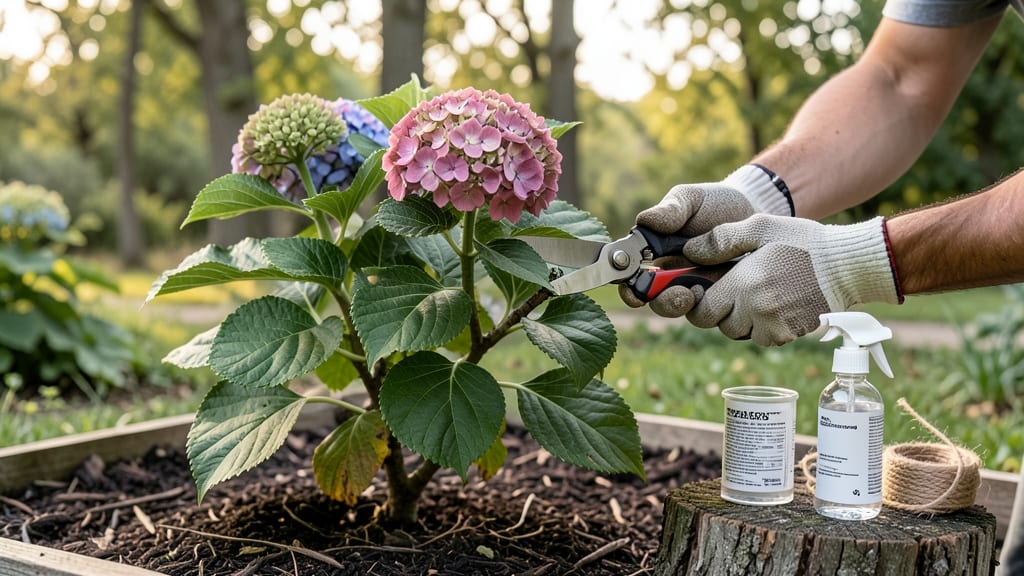
Pruning bigleaf hydrangeas isn't just about cutting branches—it's about unlocking next year's showstopping blooms while keeping your plant healthy. 🌸 I've been pruning mine for years, and the difference between a sparse display and a lush, colorful canopy comes down to timing and technique.
Most gardeners wait too long or cut too much, but with the right approach, you'll transform your hydrangeas into the star of your garden.
The key is knowing when to prune: late winter or early spring is ideal for shaping, while summer deadheading keeps blooms coming. You'll need just a few tools—a pair of clean pruners, gloves, and maybe some pruning shears for thicker stems.
The goal is simple: remove dead wood, thin crowded branches, and encourage strong new growth where it matters most. Even if you've never pruned before, this method is foolproof once you understand the basics.
By the time summer arrives, you'll see the payoff—vibrant blooms that last from midsummer through fall, with fewer gaps and more color. The plants stay compact, resist disease better, and produce flowers on last year's wood (old wood), so your timing matters more than you might think.
Think of it as giving your hydrangeas a fresh start while preserving the structure they need to shine.
This works for both container-grown and in-ground hydrangeas, and the same principles apply whether you're dealing with a single plant or a full border. The only real mistake is waiting until after the blooms fade—so grab those pruners now and get ready for next season's bigleaf hydrangea magic.
📚 In This Guide
- What you need
- Instructions
- Tips and common mistakes
- Wrapping up and next steps
What you need
- ● Bypass pruners – Sharp, clean, and disinfected (7-inch to 9-inch handles for reach). Quantity: 1 pair
- ● Loppers – For thicker stems (up to 2-inch diameter). Quantity: 1 pair
- ● Hand saw or pruning saw – For stubborn, thick branches (if needed). Quantity: 1
- ● Garden gloves – Heavy-duty, cut-resistant (to protect from thorns and sap). Quantity: 1 pair
- ● Disinfectant solution – 1 part bleach to 9 parts water (or 70% isopropyl alcohol) to sterilize tools.
- ● Rubbing alcohol or hydrogen peroxide – For wiping down tools between cuts.
- ○ Pruning sealant (optional but helpful) – To coat larger cuts and prevent disease (e.g., Tanglefoot Tree Wound Pruning Sealer).
- ● Garden twine or zip ties – For supporting heavy stems post-pruning (if needed).
- ● Wheelbarrow or bucket – For collecting pruned branches and debris.
- ● Hose or water spray bottle – To clean tools and rinse off sap.
- ● Ladder or step stool – For reaching higher branches safely.
- ● Marking spray or paint – To tag stems for future reference (e.g., "keep" or "remove").
- ● Plant food or compost – To nourish the hydrangea after pruning.
- ● Safety glasses – If working with very thick branches or near your face.
- ● Notebook & pen – To jot down pruning notes or track growth patterns.
Step-by-step guide for bigleaf hydrangea pruning
Pruning bigleaf hydrangeas might seem tricky, but with the right timing and technique, you'll get lush blooms all season.
✂️ Step 1: Prune After Blooming in Late Summer
Wait until after the flowers fade—usually late August to early September—to prune bigleaf hydrangeas. These beauties bloom on old wood, meaning last year's growth produces this year's flowers. Cutting too early removes next year's buds.
Start by removing dead, diseased, or crossing branches first. These compete for energy and can stunt growth. Use clean, sharp pruners to make clean cuts just above a leaf node or outward-facing bud. Avoid leaving stubs, as they can rot and invite pests.
✂️ Step 2: Shape the Plant for Airflow and Light
Once you've removed the problem branches, focus on opening up the center of the plant. Bigleaf hydrangeas can get dense, and poor airflow leads to fungal issues. Aim to create a rounded, vase-like shape—this encourages strong growth and better blooms.
Look for branches growing inward or rubbing against others. Cut these back to just outside the plant’s main structure. You’ll see new growth fill in the gaps naturally. If your hydrangea is leggy, you can trim back some of the longest stems by one-third to encourage bushier growth.
✂️ Step 3: Light Pruning in Early Spring (Optional)
If your hydrangea looks overgrown in early spring—around March to April—you can do a light trim to shape it up. This is mostly for aesthetics, not health. Just snip back any stray branches that spoil the plant’s form, but avoid heavy pruning.
Here’s the thing—bigleaf hydrangeas are forgiving, but they don’t respond well to drastic cuts. If you prune too aggressively in spring, you risk sacrificing next year’s blooms. Think of this step as a quick touch-up, not a major overhaul.
⏰ Step 4: Monitor and Adjust Yearly
Every 2-3 years, reassess your pruning strategy. If your hydrangea isn’t blooming as heavily, it might need a rejuvenation prune—cutting back one-third of the oldest stems to the ground. This encourages fresh growth and can revive an aging plant.
Watch for new shoots emerging from the base after pruning. These are a good sign your plant is responding well. If you notice fewer blooms or yellowing leaves, you might be over-pruning. Bigleaf hydrangeas thrive with minimal intervention, so less is often more.
Tips & tricks for perfect bigleaf hydrangea pruning
Here’s what nobody tells you about pruning these beauties—tricks that’ll keep your hydrangeas thriving for years.
Timing is Everything: That late August to early September window is non-negotiable for bigleaf hydrangeas. I learned this the hard way after pruning too early and losing next year’s blooms. Mark your calendar or set a phone reminder—these plants bloom on old wood, so patience pays off. The flowers should be completely spent and turning brown before you touch your pruners.
Tool Prep Matters: Before you start, disinfect your pruners with rubbing alcohol to prevent spreading disease between cuts. I also recommend using bypass pruners instead of anvil pruners—they make cleaner cuts that heal faster. And here’s a pro move: sharpen your blades first. Dull pruners crush stems instead of cutting cleanly, which invites infections. A quick test—your cuts should be smooth, not jagged.
Shape with Purpose: When shaping in Step 2, think of your hydrangea like a sculpture—you want to create movement and balance. Look for branches that grow inward and cut them back to just outside the plant’s main structure. This opens up airflow and prevents fungal diseases that thrive in dense foliage. For leggy stems, cutting back by one-third encourages bushier growth, but don’t go overboard—you’re shaping, not renovating.
Spring Pruning Secret: That optional early spring trim? Use it to remove only the most unsightly branches—never more than 10% of the plant. I’ve seen gardeners overdo it here and end up with sparse blooms the next season. Think of it as a quick touch-up, not a major overhaul. And if you see any branches with buds already forming, leave them alone—they’re this year’s flowers!
Pro Tips for Bigleaf Hydrangea Pruning
- Here’s what nobody tells you about pruning these beauties—tricks that’ll keep your hydrangeas thriving for years.
- Timing is Everything: That late August to early September window is non-negotiable for bigleaf hydrangeas.
- Tool Prep Matters: Before you start, disinfect your pruners with rubbing alcohol to prevent spreading disease between cuts.
Frequently asked questions
Got questions about pruning your bigleaf hydrangea? You’re not alone! Here are answers to the most common concerns—so you can trim with confidence and keep those stunning blooms coming back year after year.
When is the best time to prune bigleaf hydrangeas?
Prune after blooming (late summer to early fall) for established plants. For young shrubs, light pruning in late winter (before buds swell) encourages shape. Avoid pruning in spring—you’ll cut off next year’s flowers!
How much can I cut back my bigleaf hydrangea?
Never remove more than 1/3 of the plant’s height in one go. For rejuvenation, thin out old wood (3–4 years old) by up to 50% over 2–3 years. Over-pruning stresses the plant and reduces blooms.
What if my hydrangea isn’t blooming after pruning?
Bigleaf hydrangeas bloom on old wood, so aggressive spring pruning (like shearing) often cuts off flower buds. If blooms are sparse, check for:
- Underwatering or overwatering
- Poor soil (amend with compost)
- Too much shade (6+ hours of sun needed)
Can I prune bigleaf hydrangeas in winter?
Yes, but only for light shaping (no heavy cuts). Winter pruning risks exposing tender stems to frost damage. Wait until late winter (just before buds break) if you must prune. Use sharp tools and clean cuts to prevent disease.
What’s the difference between pruning bigleaf and panicle/mophead hydrangeas?
Bigleaf hydrangeas bloom on old wood, so prune after flowering. Panicle/mophead types bloom on new wood, so prune in late winter/early spring to encourage fresh growth. Mixing them up? Label your plants to avoid mistakes!
Pro Tip:
Use sterilized shears and prune on a dry day to prevent fungal infections. If branches bleed sap, don’t worry—it’s normal! Just seal larger cuts with pruning sealant if needed.
Wrapping up and next steps
Pruning your bigleaf hydrangea doesn’t have to be intimidating—it’s all about timing, technique, and a little patience! 🌿 By following seasonal guidelines and keeping your tools sharp, you’ll unlock stunning blooms and a healthier plant year after year.
Whether you’re a pruning pro or just starting, every snip brings you closer to that lush, vibrant garden centerpiece.
Ready to take the next step? Grab your shears, mark your calendar, and give your hydrangea the care it deserves—your future blooms will thank you! 🌸