
Shrubs
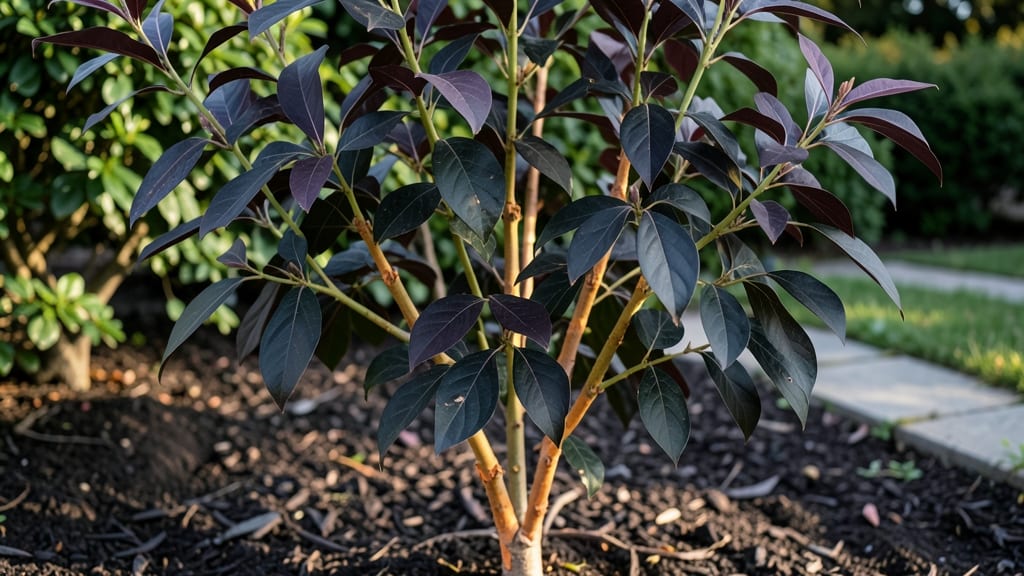
Growing black leaf crepe myrtle transforms your yard into a velvet-purple dream. 🌿 This standout shrub thrives with minimal fuss—just the right soil, sunlight, and occasional pruning—and rewards you with dramatic foliage that lasts all season.
I’ve learned the hard way that most gardeners overwater or prune too late, but this guide fixes those mistakes upfront. The secret to its bold color lies in well-draining soil and 6+ hours of sunlight daily. Once established, it’s drought-tolerant, making it perfect for hot climates.
My plants now stand 8-10 feet tall with minimal care, and the dark leaves contrast beautifully against any backdrop—whether a sunny border or a privacy screen. You’ll love how it handles pests better than most shrubs and blooms in summer with delicate white flowers.
The key is pruning in late winter to shape it while it’s dormant, and avoiding heavy summer cuts that stress the plant. Works in USDA Zones 7-9, though cold-hardy varieties extend its range. Here’s how to keep yours thriving year after year.
Understanding Black Leaf Crepe Myrtle Struggles
If your vibrant Lagerstroemia (commonly called crepe myrtle) is sporting blackened or dying leaves instead of its signature bold purple, don’t panic—there’s a reason behind it. Below, we break down the most common culprits, backed by science and actionable insights to help you diagnose the issue fast.
Crepe myrtles thrive in heat but can suffer when temperatures swing too extreme. Blackened leaves often signal heat stress or cold damage, especially if your plant is in a transitional climate.
- Heat Stress: Prolonged exposure to temperatures above 95°F (35°C) can scorch leaves, causing them to darken and crisp. This is common in full-sun zones without adequate hydration.
- Cold Damage: While crepe myrtles are hardy (USDA Zones 6–9), sudden dips below 20°F (-7°C)
- Windburn: High winds dry out leaves faster than roots can replenish moisture, leading to desiccation and blackening.
💡 Pro Tip: Mulch heavily (3–4 inches) to regulate soil temperature and retain moisture. In hot climates, provide afternoon shade temporarily during peak summer. For cold snaps, wrap young trees in burlap or use frost cloth.
Crepe myrtles hate soggy feet and thirsty roots. Watering issues are the #1 cause of blackened foliage, often misdiagnosed as disease.
- Overwatering: Poor drainage or excessive watering leads to root rot (caused by Phytophthora or Pythium fungi). Roots suffocate, starving the plant of nutrients, and leaves turn black and mushy.
- Underwatering: Shallow roots (common in sandy soil) dry out quickly, causing wilting followed by blackening as cells collapse from dehydration.
- Inconsistent Watering: Crepe myrtles prefer deep, infrequent watering (1–2 inches per week). Shallow, frequent watering encourages weak roots and stress.
🔥 Action Step:
- Check soil moisture 2 inches deep—if dry, water deeply until it drains from the bottom.
- Amend heavy clay soil with compost or perlite to improve drainage.
- Avoid wetting foliage (use drip irrigation or soaker hoses) to prevent fungal diseases.
Fungal pathogens thrive in humid, wet conditions, turning crepe myrtle leaves black with spots, mold, or a sooty appearance. Here’s how to spot them:
| Disease | Symptoms | Cause |
|---|---|---|
| Target Spot (Corynespora) | Black or brown target-like rings on leaves, often with yellow halos. | Spreads via splashing water or infected debris. Worse in high humidity. |
| Anthracnose | Black, velvety mold on upper leaves; brown spots with yellow margins. | Fungal spores survive in wet foliage or old leaves. |
| Root Rot (Phytophthora) | Leaves turn black and wilt suddenly; soil smells rotten. | Caused by waterlogged soil and poor drainage. |
🎯 Prevention:
- Remove fallen leaves and debris to eliminate spore sources.
- Apply copper fungicide (e.g., Copper Soap) at first signs of spots.
- Space plants for airflow (3–6 feet apart) to reduce humidity around foliage.
While crepe myrtles are relatively pest-resistant, aphids, scale, or spider mites can drain sap, causing leaves to blacken, curl, or drop prematurely.
- Aphids: Tiny green/black insects cluster on new growth, excreting sticky honeydew that attracts sooty mold (a black fungal film).
- Scale Insects: Immobile, armored pests suck sap, leaving leaves yellowed and blackened with a glossy residue.
- Spider Mites: In dry heat, these microscopic pests create fine webbing and cause bronzing or blackening on leaf undersides.
🔪 Treatment:
- Blast pests off with a strong spray of water (repeat weekly).
- Use neem oil or insecticidal soap for light infestations.
- Introduce ladybugs (natural aphid predators) or predatory mites for organic control.
✨ Key Takeaway: Black leaves on crepe myrtle are almost always a stress signal—whether from environmental, watering, fungal, or pest-related causes. Act fast by checking soil moisture, inspecting leaves for spots/webs, and adjusting care based on the root issue.
Fixing Black Leaf Crepe Myrtle Issues
Reviving your crepe myrtle’s vibrant purple foliage starts with identifying the root cause—and then taking action. Below, we break down practical, step-by-step fixes for the most common problems, plus prevention tips to keep your shrub thriving. No green thumb required!
Symptoms: Yellowing leaves, soggy soil, or blackened stems.
How to Fix It: 🌱 Stop watering immediately—crepe myrtles hate "wet feet." Let the top 2–3 inches of soil dry out before watering again. 🔪 Improve drainage by amending the soil with compost or perlite (mix in a 50/50 ratio with existing soil). For container plants, ensure pots have drainage holes. 💡 Pro Tip: If your shrub is in heavy clay soil, consider raising the planting bed slightly to prevent water pooling.
Prevent Future Issues:
- Water deeply but infrequently (1–2 times per week in summer, less in winter).
- Avoid mulching too close to the stem (keep 2–3 inches away).
Symptoms: Crispy, blackened edges on leaves, especially in hot afternoons.
How to Fix It: 🌿 Provide afternoon shade temporarily with a lightweight shade cloth (30–50% coverage) or move potted plants to a shadier spot. 💧 Water deeply in the morning to help leaves absorb moisture before the heat peaks. 🌱 Prune damaged leaves to encourage new growth—focus on removing only the blackened tips, not healthy tissue.
Prevent Future Issues:
- Choose heat-tolerant varieties like ‘Natchez’ or ‘Tonto’ if your climate is scorching.
- Mulch around the base (2–3 inches of organic mulch) to regulate soil temperature.
Symptoms: Black or brown spots, white powdery coatings, or wilting leaves.
How to Fix It: 🧼 Clean up debris—remove fallen leaves and prune infected branches 1–2 inches below the damage with sterilized pruners (wipe with rubbing alcohol). 🌿 Apply fungicide—use a copper-based or neem oil spray (follow label instructions). Reapply every 7–10 days until the issue clears. 💨 Improve airflow by thinning out dense foliage or spacing plants 6–10 feet apart.
Prevent Future Issues:
- Water at the base (avoid overhead sprinkling).
- Space plants properly to reduce humidity buildup.
Symptoms: Sticky residue (honeydew), tiny bugs on stems/leaves, or webbing.
How to Fix It: 🚿 Blast pests off with a strong spray of water (early morning works best). 🧴 Use insecticidal soap or horticultural oil—spray directly on pests (test on a small area first). 🌿 Introduce beneficial insects like ladybugs or lacewings to naturally control populations.
Prevent Future Issues:
- Inspect new plants before bringing them home.
- Encourage natural predators by planting marigolds or dill nearby.
Symptoms: Blackened leaf edges, browning tips, or dead branches after frost.
How to Fix It: 🔥 Prune dead branches in early spring (wait until new growth appears to avoid cutting back healthy buds). 🌱 Protect young plants in winter with burlap wraps or a light frost cloth. 💧 Water deeply before the first freeze to help roots withstand cold snaps.
Prevent Future Issues:
- Choose cold-hardy varieties (USDA Zones 6–9 for most crepe myrtles).
- Avoid late-season fertilizing—stop feeding by mid-summer to harden off plants before winter.
Symptoms: Pale yellow leaves (chlorosis), stunted growth, or weak stems.
How to Fix It: 🍽️ Fertilize lightly—use a balanced, slow-release fertilizer (10-10-10) in early spring. 💊 For iron deficiency, apply chelated iron or sulfur-based amendments to acidic soil. 🌿 Test your soil—if pH is too high (>7.0), add peat moss or pine needles to lower it.
Prevent Future Issues:
- Mulch annually with compost to improve soil health.
- Avoid over-fertilizing—crepe myrtles prefer lean soil!
Need a fast fix? Follow these 3 steps to nurse your shrub back to health:
- Prune dead/damaged leaves (sterilize tools first!).
- Water deeply (but don’t overdo it).
- Apply a balanced fertilizer (spring or early summer).
With the right care, your crepe myrtle’s bold purple foliage will be back in no time—and stay stunning all season! 🌸
Frequently asked questions
How fast does black leaf crepe myrtle grow?
Black leaf crepe myrtle grows at a moderate rate of 12-24 inches per year under ideal conditions. With proper care, it can reach 8-15 feet tall and 6-10 feet wide within 3-5 years. The growth slows significantly after maturity, making it a low-maintenance landscape shrub.
Can I grow black leaf crepe myrtle in containers?
Yes, but choose a large container (at least 24 inches wide and deep) with drainage holes. Use a well-draining potting mix with 50% compost and 50% perlite to prevent root rot. Container-grown crepe myrtles need regular watering (every 2-3 days in summer) and annual repotting to accommodate root growth. Move containers to a sheltered spot in winter if temperatures drop below 20°F (-7°C).
Why does my black leaf crepe myrtle lose its dark color?
The deep purple foliage fades to green when the plant receives too much shade or excessive nitrogen fertilizer. Ensure it gets 6+ hours of sunlight daily and use a low-nitrogen, balanced fertilizer (like 10-10-10) in early spring. Iron deficiency (chlorosis) can also cause yellowing—test your soil and amend with chelated iron if needed.
How do I prune black leaf crepe myrtle for maximum impact?
Prune in late winter or early spring (before new growth appears) to shape the plant and remove dead wood. Avoid "crepe murder"—never cut back to the ground! Instead, prune to open the center for airflow and remove water sprouts (suckers growing from the trunk). For a dramatic look, prune to 1/3 of the plant's height every 2-3 years. Always sterilize tools with rubbing alcohol to prevent disease.
Are black leaf crepe myrtles deer-resistant?
They're moderately deer-resistant—deer usually avoid them due to their tough bark and bitter taste. However, hungry deer may nibble young plants or new growth. For extra protection, apply a deer repellent spray or plant near deer-resistant companions like boxwood or barberry. Mature shrubs are rarely bothered once established.