
Pests
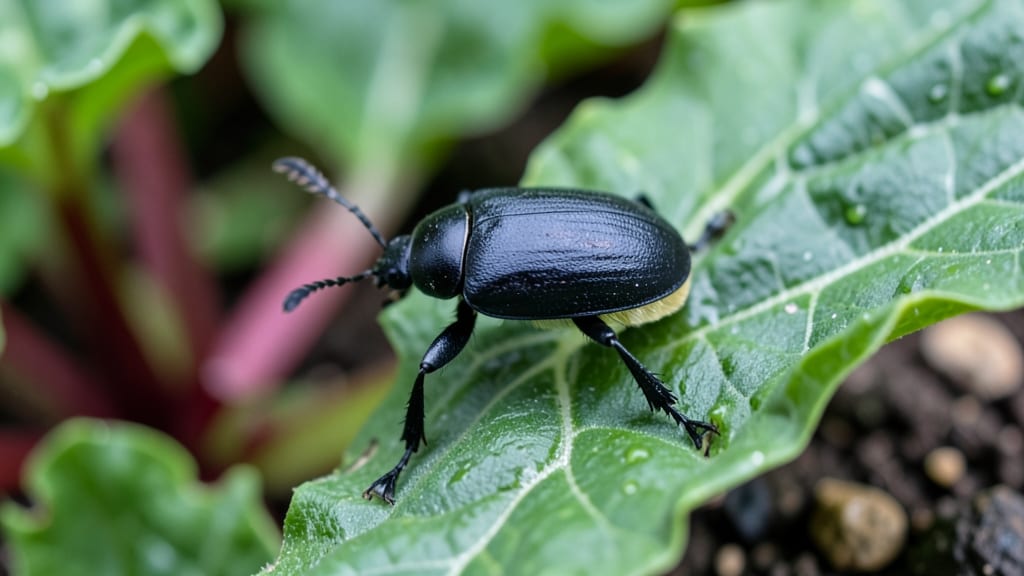
Those tiny black beetles chewing your leaves into lace? 🌿 The black leaf-footed beetle is the culprit—and they multiply faster than you can say "garden disaster." I've battled them for years, and I've learned which organic traps actually work (and which don't).
The key is catching them early, before they skeletonize your plants. I'll show you how to spot their damage (tiny holes, chewed edges) and set up traps that lure them away from your veggies. No more losing entire crops to these sneaky pests.
With these methods, you'll see fewer beetles within a week, and your plants will start recovering fast. The secret? A combination of sticky traps, companion plants, and timing your interventions right. Works for tomatoes, peppers, and beans—basically any tender garden favorite. Let's get your plants back to thriving!
📚 In This Guide
- What you need
- Instructions
- Tips and common mistakes
- Wrapping up and next steps
What you need
- ● Yellow sticky traps – 2-4 traps (12" x 16" or larger for best coverage). Choose non-toxic, reusable ones if possible.
- ● Pheromone traps – 1-2 units (specifically designed for BLFBs; check local garden centers or online retailers like Garden Safe or Biobest).
- ○ Neem oil – 16 oz spray bottle (look for 100% cold-pressed for organic certification). Optional: Add a few drops of dish soap (1 tsp per quart of water) as an emulsifier.
- ● Horticultural oil – 16 oz (like Safer Brand or JMS Stylet Oil) for smothering beetles.
- ● Spray bottle – 1-2 gallon-sized (for mixing neem/horticultural oil solutions).
- ● Pruning shears – 1 pair (for trimming infested leaves or branches).
- ● Gloves – 1 pair of thick gardening gloves (BLFBs can bite if handled!).
- ● Bucket or wheelbarrow – 5-gallon capacity (for collecting beetles or soapy water disposal).
- ● Soapy water – 1 gallon (mix 1 tbsp dish soap with water; use for drowning trapped beetles humanely).
- ● Beneficial nematodes – 1 lb (like Steinernema carpocapsae; targets larvae in soil).
- ● Kaolin clay – 1 lb (creates a protective barrier on plants; mix with water per label instructions).
- ● Reflective mulch – 1 roll (aluminum or silver; confuses beetles and deters landing).
- ● Diatomaceous earth (DE) – 1 lb food-grade (sprinkle lightly on soil or plant surfaces; reapply after rain).
- ● Plant collars – 10-20 units (cardboard or plastic; place around stems to block beetles from climbing).
Step-by-step guide to eradicating black leaf footed beetles organically
Here's how I tackle these pests—no chemicals, just smart, natural methods that actually work.
🪴 Step 1: Scout and Identify Infested Areas
Start by examining your plants carefully, especially the undersides of leaves where beetles hide. Look for black beetles with orange legs (about ¼ inch long) and tiny holes in leaves. I check most thoroughly in late afternoon when they're active. Focus on stressed plants first—they attract more beetles.
Use a 10x magnifying glass if needed to spot early signs like yellowing leaves or sawdust-like frass (beetle droppings). Write down problem areas on a small notepad so you can monitor progress later. The sooner you catch them, the easier they are to control.
🌿 Step 2: Set Up Natural Traps Using Beer or Yeast
Fill shallow containers (like 4-ounce plastic cups) with ½ inch of beer or yeast-water solution (mix 1 tablespoon yeast with 1 quart warm water). Place these traps near infested plants but not directly under them—beetles will drown but you want to preserve beneficial insects.
Check traps daily and replace the liquid every 2-3 days. You'll see beetles crawling in within hours. This method works because beetles are attracted to fermentation odors. For larger areas, use 4 traps per 100 square feet of garden space.
✂️ Step 3: Hand-Pick Beetles During Peak Activity
Do this in the early morning or late evening when beetles are sluggish. Wear light-colored gloves to spot them easily against foliage. Gently shake plants over a white bucket with soapy water—this prevents them from flying away. I always check the soil surface too, as they hide there during the day.
For stubborn infestations, try sticky traps (yellow cards coated with petroleum jelly). Hang these 2 feet above ground near problem plants. Beetles get stuck trying to land. Replace traps every 7-10 days or when covered in debris.
💧 Step 4: Apply Organic Sprays as a Last Resort
Mix 1 tablespoon neem oil with 1 teaspoon mild dish soap in 1 quart of water. Spray this solution directly on beetles and infested leaves in the early morning when humidity is high. The soap helps the neem oil stick to their exoskeletons. Reapply every 5-7 days until beetles disappear.
For heavy infestations, add 1 tablespoon diatomaceous earth to the mix. This creates a dust that dehydrates beetles on contact. Avoid spraying when bees are active—wait until after 6 PM when pollinators are less active.
☀️ Step 5: Prevent Future Infestations with Cultural Controls
Remove all plant debris from your garden after each season—beetles overwinter in leaf litter. I also rotate crops annually to disrupt their life cycle. Plant marigolds or garlic nearby as companion plants—they repel beetles naturally. Keep your garden well-watered but not soggy—beetles target stressed plants.
Encourage beneficial predators like ground beetles and parasitic wasps by leaving some leaf litter in undisturbed areas. These natural enemies will keep black leaf footed beetle populations in check long-term. Inspect new plants before bringing them home—many infestations start this way.
Tips & tricks for effective black leaf footed beetle control
These practical strategies will help you tackle beetle infestations more efficiently—and with less frustration.
Timing is Everything: The late afternoon is the absolute best time to scout for beetles because that's when they're most active. I've seen them move slowly then, making them easier to spot and hand-pick. If you're setting up traps, place them in the afternoon too—they'll start working immediately. For sticky traps, position them in the morning so they're ready to catch beetles when they become active later in the day.
Trapping Tips: When using beer or yeast traps, place them near—but not directly under—infested plants. The goal is to attract beetles without disrupting beneficial insects that help control other pests. I've found that placing traps along garden paths works especially well, as beetles often travel along these routes. For larger gardens, the 4 traps per 100 square feet guideline is perfect—it gives you good coverage without overcrowding your space.
Hand-Picking Strategy: Early morning and late evening are the best times for hand-picking because beetles are sluggish then. I've learned to wear light-colored gloves—not just for visibility, but also to avoid disturbing the soil too much. When shaking plants over the soapy water bucket, do it gently to avoid damaging leaves. For stubborn beetles hiding in crevices, use a soft paintbrush to coax them out before they drop into the water.
Spray Application: The early morning timing for neem oil sprays is crucial because the humidity helps the solution stick better to beetles. I've found that adding a few drops of dish soap to the spray bottle helps it cling to leaves longer. When applying, focus on the undersides of leaves where beetles hide. For heavy infestations, the diatomaceous earth addition works wonders, but apply it carefully—it's a fine powder that can irritate lungs, so wear a mask when mixing and applying.
Pro Tips for Black Leaf Footed Beetle
- These practical strategies will help you tackle beetle infestations more efficiently—and with less frustration.
- Timing is Everything: The late afternoon is the absolute best time to scout for beetles because that's when they're most active.
- Trapping Tips: When using beer or yeast traps, place them near—but not directly under—infested plants.
Frequently asked questions
What do black leaf-footed beetles look like, and how can I confirm it’s them?
Black leaf-footed beetles (BLFB) are small (1/4 inch), oval-shaped, with black bodies and bright red or orange legs and feet. Look for chewed leaves with ragged edges (not clean holes like Japanese beetles) and black fecal pellets on foliage. Check the undersides of leaves—adults and larvae hide there!
When are black leaf-footed beetles most active, and how long does an infestation last?
These pests peak in late spring to early fall, especially in warm, dry weather. A single female can lay hundreds of eggs, leading to outbreaks that last 6–8 weeks per generation. If untreated, they can return yearly. Act fast—early intervention prevents severe damage!
Are there organic traps or sprays that actually work against them?
Yes!
Try these DIY-friendly methods:
- Neem oil spray (disrupts feeding and reproduction)
- Kaolin clay (creates a barrier; apply at dusk)
- Pheromone traps (lure and trap adults; check weekly)
- Handpick larvae (drop into soapy water; do this early morning when they’re sluggish)
My plants are already damaged—can I save them, or should I replace them?
Don’t toss your plants yet! Prune heavily damaged leaves and focus on new growth. For vegetables (tomatoes, peppers, etc.), use row covers to block adults. If the plant is over 50% defoliated, consider replacing it—but sterilize soil first (solarization or baking soda spray) to kill larvae.
Pro Tip: How do I prevent black leaf-footed beetles from coming back next year?
Start with cultural controls:
- Rotate crops (they target solanaceae—tomatoes, peppers, eggplants)
- Plant trap crops (basil or marigolds repel them)
- Remove debris (larvae overwinter in leaf litter)
- Encourage predators (ladybugs, lacewings, and birds eat them!)
Wrapping up and next steps
Dealing with black leaf-footed beetles doesn’t have to be a losing battle—with the right organic strategies, you can reclaim your garden naturally! 🌱 From DIY traps to preventive measures, these methods are effective, eco-friendly, and budget-friendly. Start small, stay consistent, and watch your plants thrive without harsh chemicals.
Ready to take action? Pick one method from this guide and give it a try this week—your garden (and future harvests) will thank you! 🌿