
Leaf Blower
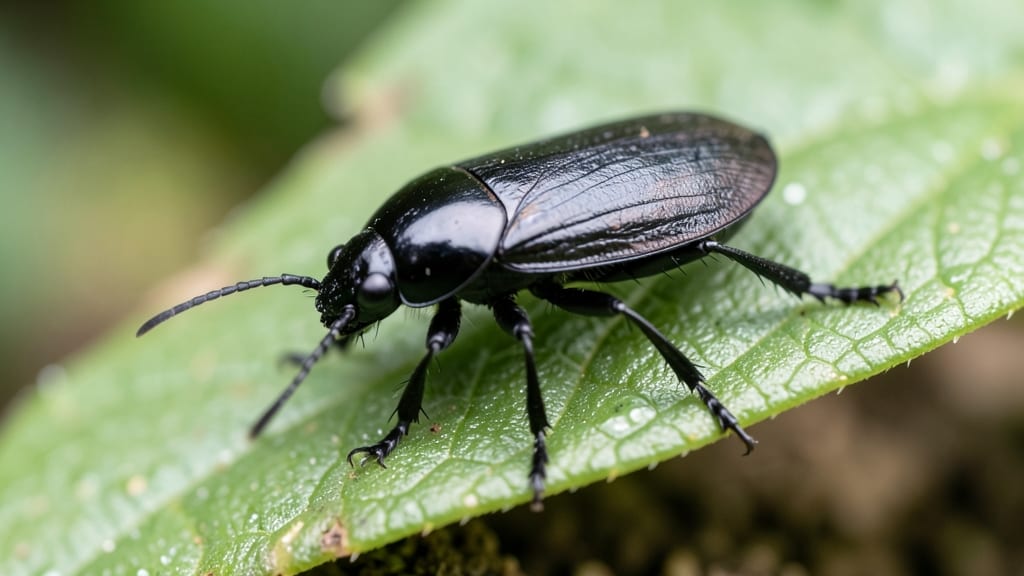
Those tiny black spots on your tomatoes aren’t just cosmetic—they’re a black leaf-footed bug warning. 🌱 I’ve lost entire harvests to these sneaky pests, but copper spray turned my struggling plants into thriving ones within 3-5 days of treatment.
The key is acting fast before the bugs multiply and your plants turn into skeleton leaves.
These bugs thrive in warm weather, hiding under leaves and sucking out plant juices, leaving behind black fecal spots that stunt growth. I used to think they were harmless aphids—until my pepper plants wilted overnight.
The damage starts small but spreads fast, so early detection is everything. Check undersides of leaves daily during peak season.
Copper spray works because it creates a protective barrier that bugs avoid while still letting your plants breathe. You’ll see new growth within a week, and those black spots will fade as the bugs move on.
The best part? It’s safe for edibles once fully absorbed, so you can harvest without worry.
This method works for tomatoes, peppers, beans, and even fruit trees. The secret is consistency—reapply every 7-10 days until the bugs disappear. Trust me, your garden will thank you when you skip the chemical warfare and go for this fast, organic fix.
Understanding Their Unwanted Visits
The black leaf-footed bug isn’t just a random pest—it’s a strategic invader drawn to your garden, patio, and even indoor spaces by specific triggers. Understanding these causes is the first step to stopping them before they become a nuisance.
Below, we break down the science behind their behavior and how to address it.
Black leaf-footed bugs are fruit connoisseurs, especially when it comes to overripe, damaged, or rotting fruit. Their sharp proboscis allows them to pierce fruit skins and suck out the juices, making them particularly fond of:
- Citrus fruits (oranges, lemons, grapefruits) – The high sugar content is irresistible.
- Tomatoes – Whether on the vine or fallen, they’re a magnet.
- Berries (strawberries, blueberries, raspberries) – Soft, sweet, and easy to penetrate.
- Grapes – Especially if they’re bruised or fermenting.
Why it happens: These bugs use chemical cues (like ethanol released from fermenting fruit) to locate their meals. Once they find a source, they’ll cluster in large numbers, accelerating fruit spoilage and spreading fungal spores (like the ones copper spray targets).
Actionable fix:
- 🔥 Harvest fruit promptly—don’t let it overripe on the plant or ground.
- 🍳 Remove fallen fruit daily—compost it far from your garden or dispose of it in sealed bins.
- 🌡️ Use row covers on susceptible plants (like tomatoes) to block access.
Healthy plants are less appealing, but once a plant is stressed, wounded, or diseased, it becomes a buffet for these bugs. They’re particularly drawn to:
- Mechanical damage (e.g., hail, wind, or animal bites).
- Pest-infested plants (e.g., aphids, spider mites, or whiteflies create entry points).
- Fungal or bacterial infections (like powdery mildew or early blight).
Why it happens: Damaged plant cells release volatile organic compounds (VOCs), which act like a dinner bell to pests. Additionally, stressed plants have lower tannin levels (natural defenses), making them easier targets. Once they feed, they inject saliva that can transmit pathogens, worsening the problem.
Actionable fix:
- 👨🍳 Inspect plants weekly for early signs of stress (yellowing, wilting, or holes).
- 🥘 Prune damaged leaves promptly and dispose of them away from the garden.
- ✨ Boost plant resilience with balanced fertilization and proper watering (avoid overwatering).
These bugs aren’t just after food—they’re also seeking refuge from extreme weather. When temperatures rise or humidity drops, they’ll:
- Cluster under mulch, bark, or leaf litter in your garden.
- Crawl into cracks in walls, eaves, or window sills of your home.
- Hide in potted plants, outdoor furniture, or grills.
Why it happens: Their exoskeleton is highly sensitive to desiccation (drying out), so they seek moist, shaded areas. Additionally, they’re poor fliers—once they land in a favorable spot, they’ll stay until conditions improve or food runs out.
Actionable fix:
- 🔪 Reduce hiding spots by keeping mulch 2–3 inches from plant stems and removing debris.
- 🏡 Seal entry points with caulk around windows, doors, and utility lines.
- 💡 Use outdoor fans near patios or entryways—bugs dislike strong airflow.
Black leaf-footed bugs are social feeders, and when populations explode in one area (often due to a bumper fruit crop), they’ll spread out in search of new resources. This is why they suddenly appear in unrelated plants or structures.
Why it happens: Pheromones and aggregation cues (like vibrations from feeding) signal other bugs to join the feast. If a tree or bush has a high bug density, they’ll swarm and then disperse to nearby plants or buildings.
Actionable fix:
- 🎯 Monitor high-risk plants (like citrus or tomato plants) for early infestations.
- 🌿 Introduce natural predators (like parasitic wasps or birds) to thin their numbers organically.
- 🚫 Avoid broad-spectrum pesticides—they can kill beneficial insects that help control bug populations.
Eliminate & Prevent Leaf-Footed Bugs
Dealing with leaf-footed bugs—especially when they’re wreaking havoc on your garden—can feel like an uphill battle. But with the right strategies, you can banish them fast and keep them from returning.
Below, we’ve mapped out practical, step-by-step solutions tailored to the most common causes of infestations, plus prevention tips to lock them out for good.
Leaf-footed bugs thrive on tender, nutrient-rich plants like tomatoes, peppers, and citrus. If you’ve spotted these pests feasting on your garden, act quickly to starve them out and restore your plants.
🍳 Step 1: Handpick & Destroy Them
- How: Use a pair of gloves and a jar of soapy water. Gently pluck bugs from leaves and stems, then drop them into the solution to kill them instantly.
- Best time: Early morning when bugs are sluggish.
- Pro tip: 💡 Check under leaves and in flower clusters—these are their favorite hiding spots!
👨🍳 Step 2: Apply Copper Spray (Fungal Spot Cure)
Copper-based sprays (like the one mentioned in this article) are double-duty weapons—they deter bugs and prevent fungal spots from spreading.
- How: Mix 1 tablespoon of copper fungicide per gallon of water. Spray directly on leaves, stems, and soil around the base of plants.
- Frequency: Reapply every 7–10 days or after rain.
- Why it works: Bugs hate copper’s metallic taste, and it creates a protective barrier against fungal infections.
🥘 Step 3: Use Neem Oil as a Repellent
- How: Mix 1 tablespoon of neem oil with 1 teaspoon of mild soap in 1 quart of water. Shake well and spray on affected plants.
- Bonus: Neem oil also disrupts their life cycle, reducing future eggs.
- Caution: Avoid spraying in direct sunlight—it can burn leaves.
Leaf-footed bugs love moist, organic-rich soil. If your mulch or garden beds are their hideout, dry them out and remove their shelter.
🔪 Step 4: Remove & Replace Mulch
- How: Pull back old mulch (especially thick layers) and compost it away from your garden (they’ll survive in it!). Replace with coarse gravel or cedar chips, which bugs dislike.
- Pro tip: 🌡️ Increase airflow—space plants properly to reduce humidity, a major attractant for these pests.
⏰ Step 5: Set Up Sticky Traps
- How: Place yellow sticky traps near infested areas. Bugs are drawn to the color and get stuck.
- Best placement: Hang traps above plant canopies to catch them mid-flight.
Once you’ve kicked them out, keep them out with these low-maintenance strategies:
- 🎯 Plant Repellent Herbs: Bugs avoid basil, mint, and marigolds. Plant these around your garden’s perimeter.
- ✨ Encourage Natural Predators: Ladybugs, lacewings, and birds love eating leaf-footed bugs. Attract them with:
- Bird feeders near your garden.
With these targeted fixes, you’ll not only eliminate leaf-footed bugs but also build a pest-resistant garden for seasons to come. No more sneaky invasions—just healthy, thriving plants! 🌿✨
Frequently asked questions
What plants do black leaf-footed bugs attack most?
These pests target tomatoes, peppers, citrus fruits, berries, and beans most aggressively. They’re especially drawn to overripe or damaged produce, which releases chemical signals that attract them. Early detection on these plants is critical to prevent widespread damage.
How can I tell if my plants have black leaf-footed bugs?
Look for black fecal spots on leaves, stunted growth, and tiny black bugs with distinctive red legs hiding under leaves. Young bugs are yellowish-brown, making them harder to spot. Check undersides of leaves daily during warm weather.
Will copper spray harm my plants or beneficial insects?
When used correctly, copper spray is plant-safe and targets only pests. However, it can harm earthworms and bees if overapplied. Avoid spraying in bloom and reapply only every 7-10 days. For extra safety, apply in early morning when pollinators are least active.
Can black leaf-footed bugs get inside my home?
Yes! They often seek shelter in cracks, eaves, or window sills during extreme heat or cold. Seal entry points with caulk and reduce outdoor hiding spots by removing leaf litter and mulch from near your foundation. Keep outdoor lights off at night to discourage them.
How long does it take for copper spray to work?
You’ll typically see results within 3-5 days of treatment, with new growth appearing in 1-2 weeks. For severe infestations, combine copper spray with handpicking and neem oil for faster results. Consistency is key—reapply after rain or every 7-10 days.