
Leaf Blower
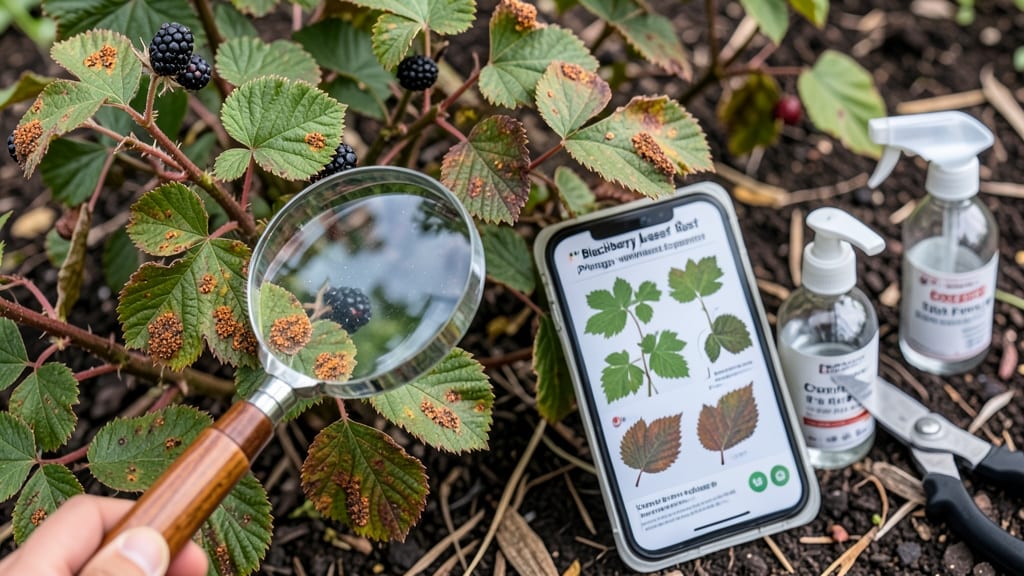
When blackberry leaf rust turns your plants’ leaves into crunchy, orange-brown messes, copper fungicide is your fastest fix. I’ve seen this stubborn fungal infection ruin entire canes—until I learned the three-step copper spray routine that stops the spread within 7-10 days of treatment.
The key? Timing, coverage, and a little elbow grease to clean up infected leaves before they become spore factories.
This isn’t just about spraying copper—it’s about breaking the rust’s life cycle. The fungus (Phragmidium violaceum) thrives in damp, shady conditions, so we tackle it with pruning out infected canes, improving airflow between plants, and applying copper when new leaves unfurl in spring.
My bushes now bounce back every year because I treat at the first sign of those telltale orange pustules, not after the damage is done.
By the end of the season, you’ll have thick, healthy foliage that supports bigger berries and fewer fungal attacks next year. The copper spray works because it disrupts the fungus’s ability to infect new leaves, while proper pruning removes last year’s infection sites.
It’s not a one-time spray—think of it as a reset button for your blackberries.
Works for both organic and conventional gardeners, though organic versions require more frequent applications. The secret? Consistency. Spray every 10-14 days during wet seasons, and you’ll outpace the rust before it outpaces you.
Root Causes Of Fungal Spread
Blackberry leaf rust isn’t just a random plant problem—it’s a fungal infection with specific triggers that create the perfect storm for outbreaks. Understanding these causes helps you prevent future infections and treat existing ones more effectively.
Below, we break down the science behind why this pesky disease takes hold in your blackberry bushes.
Leaf rust thrives in warm, moist environments, where fungal spores (like Kabatiella caulivora or Phragmidium violaceum) germinate and spread rapidly. Here’s why humidity is the #1 enemy:
- Spores need water: Rust fungi release spores that require free moisture (like dew, rain, or overhead watering) to land on leaves and infect plant tissue. Even high humidity (above 75%) without direct water can trigger outbreaks.
- Slow drying = longer infection window: If leaves stay wet for 6–12 hours, spores have ample time to penetrate leaf surfaces. Shady, dense blackberry patches trap humidity longer, accelerating spread.
- Temperature sweet spot: Ideal conditions for rust are 60–80°F (15–27°C). Cooler nights followed by warm days create the perfect diurnal temperature swing that rust fungi love.
Actionable fix: Improve airflow with pruning, space plants 3–4 feet apart, and water early in the day so foliage dries by evening.
A healthy blackberry bush fights off rust, but stress opens the door for fungal invaders. Common stressors include:
- Nutrient deficiencies: Low nitrogen or phosphorus weakens leaves, making them easier targets. Yellowing leaves (chlorosis) often signal poor health before rust appears.
- Overcrowding: Dense canopies block sunlight and airflow, creating microclimates where humidity lingers. Prune to open the bush and let air circulate.
- Physical damage: Pruning cuts, hail, or insect bites create entry points for spores. Always sterilize tools with 70% isopropyl alcohol to avoid spreading spores.
- Poor soil drainage: Waterlogged roots starve plants of oxygen, stressing them. Amend soil with compost or sand to improve drainage.
Pro tip: 💡 Conduct a soil test to check pH (ideal: 5.5–6.5) and adjust with lime or sulfur if needed.
Rust fungi don’t just appear out of nowhere—they hitchhike on wind, rain, and even garden tools. Here’s how:
| Spread Method | How It Happens | Prevention |
|---|---|---|
| 🌬️ Windborne spores | Spores travel miles on breezes, landing on healthy leaves. A single infected plant can contaminate an entire patch. | Remove infected leaves immediately and burn or compost them away from the garden. |
| 💧 Rain splash | Heavy rain dislodges spores from infected debris, splashing them onto nearby plants. Overhead irrigation does the same. | Use drip irrigation or soaker hoses to avoid wetting foliage. |
| 🛠️ Contaminated tools | Pruners, rakes, or even gloves can carry spores from plant to plant. Rust spores are microscopic but mighty. | Clean tools with 10% bleach solution (1 part bleach to 9 parts water) between uses. |
Warning: Avoid composting heavily infected leaves—the heat of compost piles may not kill rust spores.
Fungal spores overwinter in dead leaves, canes, or mulch, ready to reinfect the next season. Here’s why lingering debris is dangerous:
- Spores survive winters: Rust fungi can lie dormant in plant residue for months, waiting for warm, wet conditions to reactivate.
- Mulch traps moisture: Thick mulch layers (especially organic ones like straw) hold humidity against the soil, creating a rust-friendly microclimate.
- Volunteer plants spread spores: If infected blackberry runners sprout elsewhere in your yard, they become new infection sources.
Cleanup checklist:
- 🔥 Rake and remove all fallen leaves and canes before new growth starts in spring.
- 🌡️ Solarize soil (cover with clear plastic for 4–6 weeks in summer) to kill spores in the ground.
- ✂️ Prune infected canes below the soil line to prevent regrowth.
Quick Fixes for Rusty Blackberry Leaves
Rusty brown spots on your blackberry leaves? Don’t panic—this common fungal issue can be tackled with the right approach. Below are practical, step-by-step solutions tailored to the root causes of leaf rust, from cultural fixes to chemical interventions. Follow these to restore your plants to full, vibrant health—fast!
Cause: Wet leaves from sprinklers or dense foliage trap moisture, creating the perfect breeding ground for rust spores.
How to Fix It:
- 🔥 Switch to Drip Irrigation – Water at the base of plants in the early morning (6–8 AM) to allow leaves to dry quickly. Avoid overhead sprinklers entirely.
- 🍳 Prune for Better Airflow – Thin out crowded branches to improve ventilation. Aim for 12–18 inches of space between plants.
- 👨🍳 Space Plants Properly – If rust is severe, consider rearranging or removing heavily infected plants to break the fungal cycle.
💡 Pro Tip: Mulch with straw or wood chips (not leaves) to keep soil moist without wetting foliage.
Cause: Fungal spores thrive when left unchecked. Copper-based sprays disrupt their life cycle without harming beneficial insects.
How to Fix It:
- 🔪 Choose the Right Fungicide – Use copper hydroxide or copper sulfate (follow label rates). Organic options like Neem Oil + Copper work well for prevention.
- ⏰ Apply at the Right Time – Spray every 7–10 days during wet seasons (spring/fall) or immediately after rain if rust appears.
- 🌡️ Time It Right – Apply in the evening to reduce leaf burn from sunlight.
✨ Bonus: Mix 1 tsp baking soda + 1 tsp horticultural oil + 1 gallon water for a mild, DIY fungicidal spray (test on a small area first).
Cause: Weakened plants (from stress, poor soil, or nutrient deficiency) are more susceptible to rust.
How to Fix It:
- 📊 Fertilize Smartly – Use a balanced fertilizer (10-10-10) in early spring to strengthen growth. Avoid high-nitrogen fertilizers, which promote soft, rust-prone leaves.
- 💪 Add Compost – Work 2–3 inches of compost into the soil to improve drainage and root health.
- 🍎 Prune Infected Leaves – Remove only severely rusted leaves (don’t over-prune—this stresses the plant). Sterilize pruners with rubbing alcohol between cuts.
🎯 Prevention Tip: Plant resistant varieties like ‘Triple Crown’ or ‘Chester’ if rust is recurrent in your area.
Once your blackberries are rust-free, keep them that way with these long-term strategies:
- 🌡️ Rotate Sprays – Alternate between copper fungicide and neem oil to prevent resistance.
- 🔥 Clean Up Debris – Remove fallen leaves and canes in autumn to eliminate spore sources.
- 🌱 Plant Companion Crops – Interplant with garlic, chives, or marigolds—their natural fungicidal properties deter rust.
Remember: Early action is key! Catch rust before it spreads to canes or fruits, or you’ll risk reduced harvests next season. With these fixes, your blackberries will bounce back stronger and healthier—no rust in sight! 🍇✨
Frequently asked questions
What do blackberry leaf rust spots look like?
Blackberry leaf rust appears as orange-brown pustules on the undersides of leaves, often surrounded by yellow halos. In advanced stages, leaves curl and turn brown, resembling severe burn damage. Check both leaf surfaces—rust spores start small but multiply quickly in damp conditions.
Can I still harvest blackberries if the leaves have rust?
Yes, but only if the canes and berries themselves are healthy. Rust primarily affects leaves, not fruit. Remove heavily infected leaves to stop spore spread, but harvest berries as usual. Just avoid eating leaves (they’re not edible when infected).
How often should I spray copper fungicide?
Apply copper fungicide every 7–10 days during wet seasons (spring/fall) or immediately after rain. For prevention, spray 3 times total at 10-day intervals when new leaves emerge. Always follow label instructions—overuse can harm plants.
Will blackberry leaf rust kill my plants?
Not usually—rust weakens plants but rarely kills them. The real danger is secondary infections (like mold) from prolonged stress. Prune infected leaves promptly, improve airflow, and treat with copper to prevent long-term damage. Most bushes recover fully with proper care.
Can I use baking soda for blackberry leaf rust?
A baking soda spray (1 tsp baking soda + 1 tsp horticultural oil + 1 gallon water) helps prevent rust but won’t cure severe infections. Use it as a supplemental treatment alongside copper fungicide, especially for organic gardens. Test on a small leaf first to avoid burns.