
Leaf Blower
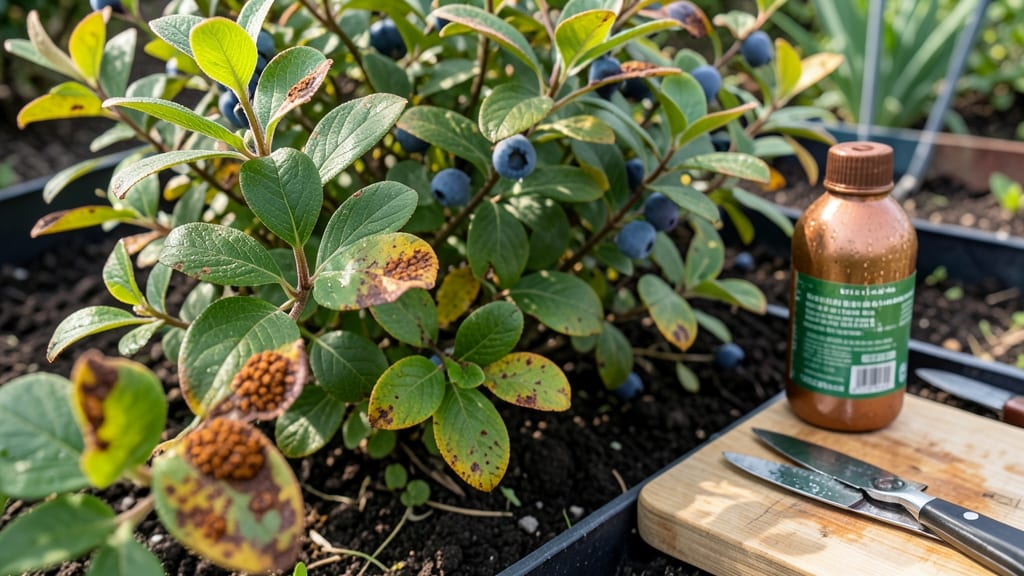
Copper fungicide spray is your fastest path back to healthy blueberry bushes. 🌿 I’ve seen leaf rust turn vibrant foliage into sad, yellowed messes—until I discovered this 3-step treatment that stops the rust and restores growth within weeks.
The key isn’t just spraying; it’s timing, coverage, and knowing when to stop. This fungus thrives in damp, shady conditions, so prevention starts with airflow and morning sun. Prune crowded branches now, and you’ll cut off its favorite hiding spots.
Copper spray works by disrupting the fungus’s cell walls, but it’s most effective when applied before the spores spread—usually at bud break or after rain. By midseason, your bushes will bounce back with deep green, rust-free leaves and stronger berry production.
The spray also builds up in the soil, giving your plants long-term protection against future outbreaks. No more watching your harvest shrink because of weak foliage. Works for all blueberry varieties, from lowbush to highbush. Let’s get those leaves looking lush again—fast.
Root Causes Of Fungal Spread
Blueberry leaf rust isn’t just a random nuisance—it thrives due to specific conditions that create the perfect storm for fungal growth. Understanding these triggers helps you prevent outbreaks before they disrupt your harvest. Let’s break down the science behind why this disease takes hold in your blueberry bushes.
The fungus responsible for blueberry leaf rust—Kunkelia nitens—relies on wet leaves to germinate and spread. Here’s why moisture is its biggest ally:
- Spores Need Water to Activate: Rust spores land on leaves but won’t infect until humidity stays above 90% for 6–12 hours. Overhead watering or morning dew creates ideal conditions. 💧
- Stagnant Air Traps Spores: Dense foliage or thick canopies prevent airflow, keeping humidity trapped near leaves. This turns your blueberry patch into a fungal incubator.
- Rainfall Timing Matters: Frequent light rains (vs. heavy downpours) spread spores more efficiently, as they’re washed onto healthy leaves from infected debris.
Actionable Fix: Space plants for airflow, water at the base (not overhead), and avoid late-day irrigation to let leaves dry by sunset. 🌿
The rust fungus loves moderate warmth—ideal conditions occur between 60–75°F (15–24°C). Here’s how temperature plays a role:
| Temperature Range | Fungal Activity | Risk Level |
|---|---|---|
| Below 50°F (10°C) | Dormant; spores survive but don’t spread | Low |
| 50–60°F (10–15°C) | Slow growth; primary spores form | Moderate |
| 60–75°F (15–24°C) | Rapid spore production & spread | High |
| Above 85°F (29°C) | Fungus weakens; heat stress slows growth | Low |
Why It Matters: Cool, wet springs (common in blueberry-growing regions) are peak rust season. The fungus also overwinters in fallen leaves, ready to pounce when temps rise. ❄️→🌱
Actionable Fix: Prune for sunlight penetration, avoid mulching too thickly (which retains moisture), and monitor forecasts to time fungicide sprays for humidity spikes.
Healthy blueberry bushes resist rust, but stress opens the door. Common stressors include:
- Nutrient Deficiencies: Low nitrogen or potassium weakens leaves, making them easier targets for spores. Yellowing leaves (chlorosis) are a red flag. 🌱💀
- Physical Damage: Pruning wounds, hail, or insect bites create entry points for fungal spores.
- Root Stress: Compacted soil, drought, or poor drainage starve roots, reducing the plant’s ability to fight off pathogens.
- Overcrowding: Bushes competing for space can’t photosynthesize efficiently, leaving them vulnerable.
Actionable Fix: Test soil pH (blueberries thrive at 4.5–5.5), fertilize with balanced NPK, and prune only in dry weather to minimize stress. 🌡️💪
The rust fungus is a survivor. It can persist for years in:
- Fallen Leaves: Overwintering spores re-infect new growth in spring.
- Pruned Branches: If you don’t dispose of infected wood, spores hitchhike back to the plant.
- Windborne Spores: From nearby infected bushes (even wild blueberries!).
Actionable Fix: Clean up fallen leaves in fall, sterilize pruners with 70% alcohol, and isolate new plants for 30 days to monitor for symptoms. 🧹🔍
Blueberry bushes need airflow—stagnant, humid microclimates are rust’s favorite hiding spots. Here’s how it happens:
- Thick Canopies: Overgrown bushes trap moisture and spores.
- Tight Planting: Spacing bushes too closely (less than 4–6 feet apart) blocks airflow.
- Obstructions: Weeds, fences, or nearby trees disrupt wind flow.
Actionable Fix: Prune to open the center of bushes, thin out overcrowded rows, and mow weeds around the base. 🌬️🌿
Fixing Fungal Foliage Foes Fast
Blueberry leaf rust may sound intimidating, but with the right approach, you can restore your bushes to lush, healthy glory. The key is acting quickly and combining preventive care with targeted treatments.
Below, we break down solutions by cause—so you can tackle the problem at its root and keep rust from returning.
Cause: Fungal spores thrive on decaying leaves, spreading to new growth. Fix:
- 🍂 Prune and dispose of heavily rusted leaves before they drop. Bag them in sealed plastic and toss in the trash (don’t compost!).
- ✂️ Trim affected branches if rust covers more than 20% of the leaf surface. Sterilize pruners with rubbing alcohol between cuts.
- 🌬️ Improve airflow by thinning dense canes—rust spreads faster in humid, shaded conditions.
💡 Pro Tip: Water the soil (not leaves) in the morning to let foliage dry quickly, reducing moisture that fuels spores.
Cause: Fungal infections need a chemical barrier to stop. Fix:
- 🛡️ Spray with copper fungicide (like copper sulfate or copper hydroxide) at first sign of rust. Follow label rates—typically 1–2 tbsp per gallon of water.
- 👨🍳 Reapply every 7–14 days during wet or humid spells, or after heavy rain (copper washes off).
- 🌱 Time it right: Apply in the early morning or late afternoon to avoid leaf burn from sunlight.
⚠️ Warning: Avoid copper sprays if your soil is already copper-rich (test first). Overuse can harm soil microbes.
Cause: Weak bushes invite fungal attacks. Fix:
- 💧 Water deeply but less often—blueberries hate soggy roots. Aim for 1–1.5 inches per week (adjust for rain).
- 🍄 Feed with organic matter: Mix compost or well-rotted manure into the soil in spring. Avoid high-nitrogen fertilizers, which promote lush (but rust-vulnerable) growth.
- 🌿 Mulch with pine needles (blueberries love acidic soil!) to suppress weeds and reduce splashing water that spreads spores.
🎯 Prevention Gold Standard: Plant resistant varieties like ‘Duke,’ ‘Bluegold,’ or ‘Jersey’ if rust is chronic in your area.
Cause: Overusing one fungicide can make rust immune. Fix:
- 🔄 Alternate copper with natural options like:
- 🍋 Neem oil spray (1 tsp neem oil + 1 tsp mild soap per quart of water; reapply weekly).
- 🌿 Baking soda mix (1 tbsp baking soda + 1 tsp oil + 1 quart water; spray undersides of leaves).
- 📅 Schedule preventative sprays in early spring (before buds swell) and late summer (after harvest).
✨ Bonus: Add 1 tbsp hydrogen peroxide (3%) per gallon of water to your spray mix for extra antifungal power.
Cause: Rust returns yearly if conditions stay ideal. Fix:
- 🌳 Space bushes 4–6 feet apart to improve airflow and sunlight penetration.
- 🚫 Avoid overhead watering—use drip irrigation or soaker hoses to keep leaves dry.
- 🔍 Inspect new plants before buying—rust can hide in nursery stock. Choose certified disease-free bushes.
Remember: The faster you act, the easier the fix. Rust is manageable, but neglect turns a minor issue into a bush-killer. With these steps, your blueberries will bounce back—and stay rust-resistant for years!
Frequently asked questions about blueberry leaf rust
What do blueberry leaf rust spots actually look like?
Blueberry leaf rust appears as orange-brown pustules on the undersides of leaves, which later turn dark red or black. On the topsides, you’ll see yellow-orange spots that may merge into larger patches. These spots often appear in spring or early summer when humidity is high.
Can I still harvest blueberries if my plants have leaf rust?
Yes, but monitor the severity. Light infections (10% of leaves affected) won’t harm fruit quality, but heavy rust can weaken bushes and reduce yields. Remove heavily infected leaves before harvest to prevent spores from spreading to your berries.
How often should I apply copper fungicide for prevention?
For prevention, apply copper fungicide every 2–3 weeks during peak rust season (spring to early summer). If your area has a history of rust, start sprays at bud break and continue until two weeks after flowering to protect new growth.
Will pruning help control blueberry leaf rust?
Prune to remove 1/3 of old wood in late winter and thin out dense branches to improve airflow. Always sterilize pruners with rubbing alcohol between cuts to avoid spreading spores. Focus on branches with heavy rust infection or dead wood.
Are there organic alternatives to copper fungicide?
Yes! Try neem oil (1 tsp + 1 tsp mild soap per quart of water) or a baking soda spray (1 tbsp baking soda + 1 tsp oil + 1 quart water). Reapply every 7–10 days during wet weather. For extra protection, add 1 tbsp hydrogen peroxide (3%) to your spray mix.