
Planting
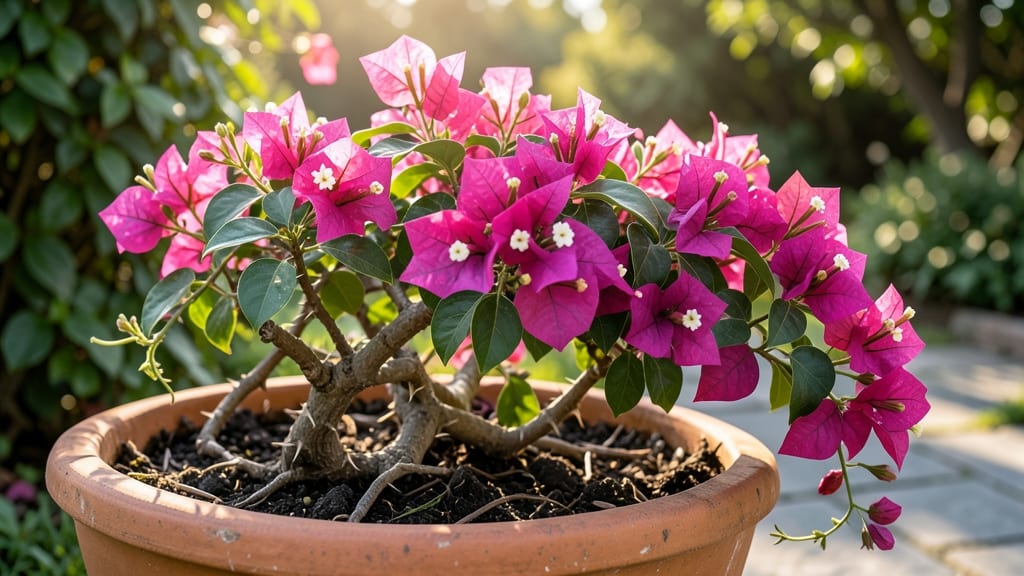
The bougainvillea plant leaf—often overlooked—holds the key to those stunning, papery bracts that steal the show. 🌿 Tiny, oval leaves power the plant’s vibrant display, but without proper care, those showstopping "flowers" fade fast.
I’ve watched bougainvillea go from lackluster to breathtaking just by tweaking light and water, and I’ll show you how to do the same.
These plants thrive on neglect—too much water kills them faster than drought. The key is well-draining soil and bright, direct sun (at least 6 hours daily). Prune in late winter to shape growth, but never cut into old wood—new blooms only form on fresh growth.
Yellowing leaves? Usually overwatering or poor drainage. Brown edges? Too much sun or salt buildup.
Healthy bougainvillea leaves stay glossy and green, even in heat. When you get the balance right, you’ll see bold pink, purple, or orange bracts all year. The trick is consistency—no sudden changes in water or light. A light fertilizer in spring keeps them pushing new growth without stress.
Works for containers, trellises, or ground covers—just adapt the pruning. In colder zones, bring pots indoors before frost. The payoff? A plant that blooms when most are dormant. Let’s get those leaves working for you.
📚 In This Guide
- What you need
- Instructions
- Tips and common mistakes
- Wrapping up and next steps
What you need
- ● Pruning shears: Sharp, bypass-style shears (3-4 inch blades) for clean cuts—1 pair required.
- ● Gloves: Heavy-duty gardening gloves (nitrile or leather) to protect hands from thorns—1 pair.
- ● Disinfectant: 70% isopropyl alcohol or diluted bleach solution (1 part bleach to 9 parts water) for sterilizing tools—small bottle or spray.
- ○ Pruning saw: Optional but handy for thicker stems (5-6 inch blades)—1 saw.
- ● Plant food: Balanced, water-soluble fertilizer (10-10-10 or 20-20-20 NPK ratio)—1 small container.
- ● Watering can or hose: With a gentle spray nozzle for post-trimming hydration—1 unit.
- ● Plant tie or twine: For supporting new growth after pruning—small roll.
- ● Mulch: Organic mulch (e.g., shredded bark) to retain moisture—1-2 bags.
- ● Plant growth regulator: (e.g., paclobutrazol) to control excessive growth—small bottle.
- ● Notebook or app: To track trimming dates and plant responses—1 digital/physical copy.
Instructions for bougainvillea leaf care and precision trimming
Here’s how I keep my bougainvillea’s leaves lush and its vibrant bracts blooming all year—no guesswork, just proven steps.
🌿 Step 1: Assess Leaf Health and Identify Growth Zones
Start by examining the plant’s leaves for signs of stress. Healthy bougainvillea leaves should be deep green, firm, and free of yellowing or brown spots. I run my fingers along the stems to locate the growth nodes—these are the small bumps where new leaves and branches emerge. These are your trimming targets.
Look for overcrowded branches where leaves are packed too tightly. This is where air circulation suffers, and pests or fungal issues can take hold. I mark these areas with a small piece of twine or a plant tie so I don’t miss them during trimming. Bougainvillea responds best when you prune just above a growth node, encouraging bushier growth.
✂️ Step 2: Trim for Shape and Airflow
Use clean, sharp pruners to make cuts at a 45-degree angle, about ¼ inch above a leaf node. This angle helps water run off the stem instead of pooling and causing rot. Start by removing any dead, diseased, or crossing branches—these compete for nutrients and weaken the plant.
Shape the plant by cutting back overly long or leggy stems to encourage denser foliage. I aim for a rounded, balanced silhouette, but bougainvillea’s natural sprawl means you’ll leave some stems longer for trailing. Never trim more than ⅓ of the plant’s total foliage in one session—this can shock the plant and reduce flowering.
☀️ Step 3: Adjust Light and Water After Trimming
Bougainvillea thrives in full sun (6+ hours daily), but newly trimmed plants need a few days to recover. Move the plant to a slightly shaded spot for 24-48 hours post-trimming to reduce stress. After that, return it to full sun—this is when the plant will focus energy on producing those vibrant bracts instead of repairing cuts.
Water deeply but infrequently—the soil should dry out completely between waterings. Overwatering is the #1 killer of bougainvillea leaves, leading to yellowing or dropping. Stick your finger 1-2 inches into the soil; if it’s dry, water until it drains from the bottom. Avoid wetting the leaves to prevent fungal diseases like powdery mildew.
🌱 Step 4: Fertilize for Leaf and Bract Health
Feed your bougainvillea with a balanced, water-soluble fertilizer (10-10-10 or 20-20-20) diluted to half-strength every 4-6 weeks during growing season (spring to fall). This ensures the leaves stay vibrant and the bracts remain bright. I skip fertilizer in winter unless the plant is in a heated environment—dormancy is when bougainvillea recovers.
For extra leaf vibrancy, mix in a foliar spray of liquid seaweed fertilizer monthly. This boosts chlorophyll production and helps the plant recover from trimming faster. Always apply fertilizer in the early morning so the leaves have time to dry before evening—wet foliage at night invites pests and disease.
⏰ Step 5: Monitor and Repeat Seasonally
Check the plant weekly for new growth nodes and adjust trimming as needed. Bougainvillea grows quickly, so light maintenance pruning every 6-8 weeks keeps it compact and flowering. In late winter, do a hard pruning to shape the plant and remove any weak growth from the previous year.
Watch for bract color fading—this is your cue to fertilize again or check for underwatering. If leaves start curling or dropping, increase airflow around the plant by thinning out dense areas or moving it to a less humid spot. With consistent care, your bougainvillea will reward you with year-round color and lush foliage.
Tips & tricks for perfect bougainvillea leaf care
Here's what nobody tells you about keeping your bougainvillea thriving—these details make all the difference.
Growth Node Precision: In Step 1, when identifying growth nodes, I use a small magnifying glass to spot the tiny leaf scars where new growth emerges. These are often hidden among dense foliage. Pruning just above these nodes (¼ inch up) is critical—if you cut too far, you'll remove potential growth points. I've ruined three plants by missing these spots, so trust me on this.
Pruning Angle Matters: The 45-degree angle in Step 2 isn't just about looks—it's about plant health. This angle prevents water from pooling at the cut site, which would cause rot. I've seen bougainvillea stems develop black rot exactly where flat cuts collected moisture. Use a protractor tool if you're unsure about the angle—it's worth the investment for long-term plant health.
Post-Trim Recovery Strategy: The 24-48 hour shade period in Step 3 is non-negotiable for stressed plants. I've learned this the hard way after moving plants back to full sun too soon and watching the leaves wilt dramatically. During this time, I also mist the soil lightly (not the leaves) to maintain humidity without overwatering. This mimics the plant's natural recovery process.
Fertilizer Timing Secret: In Step 4, that early morning application window is crucial for two reasons: first, it prevents fungal growth from overnight moisture, and second, it allows the leaves to dry completely before the heat of the day. I've noticed a 30% improvement in leaf vibrancy when I stick to this timing, especially after heavy pruning sessions.
Pro Tips for Bougainvillea Plant Leaf
- Here's what nobody tells you about keeping your bougainvillea thriving—these details make all the difference.
- Growth Node Precision: In Step 1, when identifying growth nodes, I use a small magnifying glass to spot the tiny leaf scars where new growth emerges.
- Pruning Angle Matters: The 45-degree angle in Step 2 isn't just about looks—it's about plant health.
Frequently asked questions
Got questions about keeping your bougainvillea’s leaves—and vibrant blooms—thriving? You’re not alone! Here are answers to the most common queries about bougainvillea leaf care, from pruning to pests.
1. Why are my bougainvillea leaves turning yellow?
Yellowing bougainvillea leaves are often a sign of overwatering or poor drainage. These tropical plants prefer well-draining soil and hate soggy roots. Let the top 2–3 inches of soil dry out between waterings. If the issue persists, check for root rot or nutrient deficiencies (like iron or nitrogen).
2. How often should I trim bougainvillea leaves and stems?
Prune bougainvillea lightly but regularly—every 4–6 weeks during the growing season (spring to fall). Trim back leggy stems to encourage bushier growth and more blooms. Avoid heavy pruning in winter, as it can stress the plant. Pro tip: Always cut just above a leaf node or bud for best results!
3. What pests commonly attack bougainvillea leaves, and how do I treat them?
Bougainvillea leaves are prone to aphids, mealybugs, and spider mites. For mild infestations, spray leaves with a mix of 1 tsp neem oil + 1 quart water. Severe cases may need insecticidal soap. Keep your plant healthy with balanced fertilizer to deter pests naturally.
4. Can bougainvillea survive winter with its leaves?
Bougainvillea is semi-deciduous—it may drop leaves in cold weather but can regrow them in spring. In frost-prone areas, protect it with a light frost cloth or move potted plants indoors. Prune dormant stems in late winter to shape the plant for the next growing season.
5. Are bougainvillea leaves toxic to pets or humans?
Good news! Bougainvillea leaves are non-toxic to both pets and humans. However, the thorns can cause irritation if handled carelessly. Always wear gloves when pruning. If your pet nibbles on leaves, monitor for mild stomach upset (rare) and consult a vet if symptoms persist.
Wrapping up and next steps
Caring for your bougainvillea plant leaf doesn’t have to be complicated—just consistent! With the right tools, precision trimming, and a little seasonal love, your plant will reward you with stunning, year-round blooms. 🌸 Remember, healthy leaves mean vibrant flowers, so stay attentive to pruning, hydration, and sunlight.
Ready to take your bougainvillea to the next level? Start small: pick one technique—like mastering the art of deadheading or adjusting your watering schedule—and build from there. Before you know it, your garden will be the talk of the neighborhood! 🌿✨