
Pests and Diseases
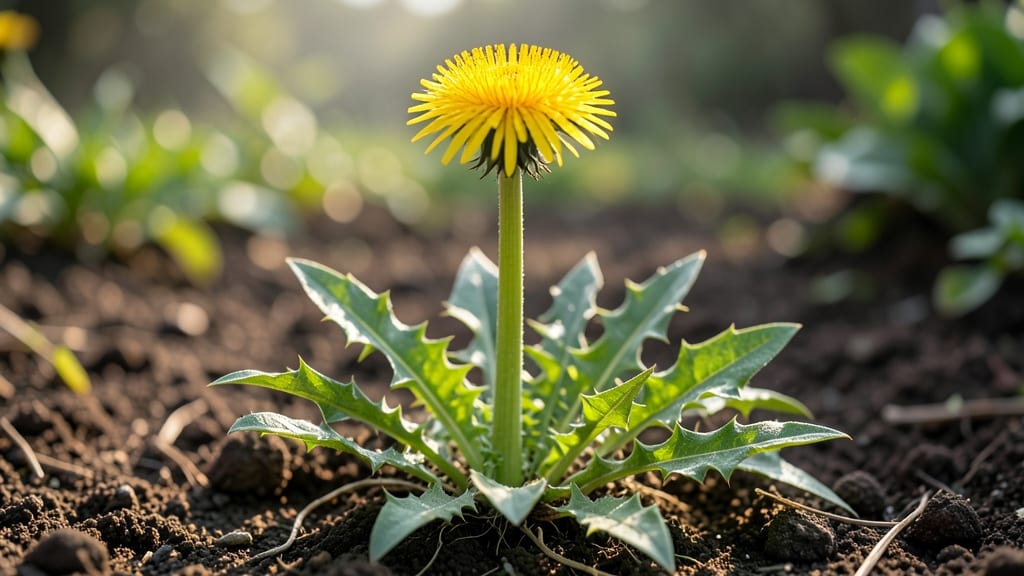
That bright yellow flower popping up between your tomatoes? 🌻 It’s likely a broadleaf weed—and it’s stealing nutrients from your plants while spreading faster than you can pull it.
I’ve wrestled with these stubborn invaders for years, and I’ll show you how to spot them, yank them out fast, and keep them from coming back.
Most gardeners confuse dandelions, buttercups, or chickweed with harmless wildflowers, but their deep taproots and prolific seeds make them garden bullies. The key is acting early—once they go to seed, you’re fighting a losing battle.
Grab a tool (or just your hands) and we’ll tackle this before your veggies get crowded out.
By the end, your garden beds will look neat, productive, and free of those pesky yellow invaders. No harsh chemicals needed—just smart timing and a few tricks from my battle-tested weed-fighting kit. Let’s reclaim your space before summer heat turns them into an army.
Works for backyard gardens, raised beds, or even container edges. The same principles apply whether you’re dealing with a single rogue plant or a full-blown infestation. Here’s how to win this battle for good.
Root Causes Of Yellowing
Yellow flowers on broadleaf weeds aren’t just a random quirk of nature—they’re often a sign of stress, disease, or environmental factors at play. Understanding these triggers helps you target the right solutions.
Below, we break down the most common reasons why these weeds turn yellow, backed by science and actionable insights.
Weeds, like any plant, rely on a balanced diet of essential nutrients. When soil lacks critical elements, broadleaf weeds with yellow flowers may signal a deficiency or toxicity. Here’s what to watch for:
- Nitrogen (N) Deficiency:
Yellowing often starts on older leaves first (a condition called chlorosis). Nitrogen is vital for chlorophyll production, so without it, leaves lose their green hue. Weeds in nitrogen-poor soil (common in sandy or over-leached soils) may develop pale yellow flowers as a last-ditch effort to conserve energy.
- Iron (Fe) or Magnesium (Mg) Shortages:
Yellowing between leaf veins (interveinal chlorosis) is a classic sign of iron or magnesium deficiency. These nutrients are crucial for photosynthesis, and their lack forces weeds to prioritize flower production—even if it means sacrificing vibrant color. Test your soil to confirm; lime or chelated iron supplements can help.
- Phosphorus (P) Stress:
While phosphorus deficiencies usually cause dark green or purple stems, severe lack of P can lead to stunted growth and dull, yellowish flowers. This is common in acidic or compacted soils where roots struggle to access nutrients.
💡 Pro Tip: If your lawn or garden soil is consistently producing yellow-flowered weeds, consider a broad-spectrum soil test. Amendments like compost, bone meal (for P), or iron sulfate can restore balance—just avoid over-fertilizing, which can worsen the problem by promoting weed growth.
Water stress is a top culprit for yellowing in broadleaf weeds. Unlike turfgrass, which has deep roots, many weeds have shallow root systems, making them vulnerable to moisture extremes.
- Underwatering:
Weeds like dandelions (Taraxacum officinale) or chickweed (Stellaria media) wilt and develop yellowing flowers when soil moisture drops below 30-40%. Their cells lose turgor pressure, causing flowers to droop and fade. Solution: Water deeply 1-2 times per week (depending on climate) to encourage deep root growth.
- Overwatering or Poor Drainage:
Yellow flowers can also signal root rot or oxygen deprivation. Weeds in soggy soil (e.g., creeping Charlie Glechoma hederacea) may produce pale, yellowish blooms as they struggle to photosynthesize. Check for:
- Mushy, discolored roots.
- Stagnant water pooling around weed bases.
Fix it: Improve drainage with sand or organic matter, or redirect irrigation away from weed-heavy areas.
- Salinity or Chemical Burn:
Over-fertilization, road salt runoff, or herbicide drift can create a toxic soil environment. Weeds may respond by producing yellow, wilted flowers as a survival mechanism. Test soil salinity and flush affected areas with fresh water if needed.
🌡️ Quick Fix: If you suspect watering issues, pull a few weeds and check the roots. Healthy roots should be white or light tan; dark, mushy roots = overwatering. Adjust your schedule accordingly.
Yellowing flowers can be a red flag for fungal diseases, which thrive in warm, humid conditions. Common offenders include:
- Powdery Mildew (Erysiphe spp.):
This fungus coats leaves and flowers with a white, powdery film, leading to yellowing and premature death of blooms. Weeds like lamb’s quarters (Chenopodium album) are susceptible. Look for:
- White, dusty patches on flowers.
- Stunted growth.
Treatment: Apply neem oil or baking soda spray (1 tbsp baking soda + 1 gallon water + a drop of dish soap) to affected areas.
- Rust (Puccinia spp.):
Orange-yellow pustules on leaves and stems can spread to flowers, causing them to yellow and drop early. Common in weeds like plantain (Plantago major). Prevent spread by removing infected plants and improving air circulation.
- Root Rots (Phytophthora, Pythium):
Waterlogged conditions encourage root-rotting fungi, which weaken weeds and cause flowers to yellow or fail to open. Solution: Solarize soil in severe cases or use fungicidal soil drenches.
🔥 Prevention Tip: Avoid overhead watering in the evening, and mulch around weed bases to reduce humidity. For persistent fungal issues, rotate organic fungicides like copper soap or potassium bicarbonate.
Extreme heat, intense sunlight, or sudden temperature swings can shock weeds into producing yellow flowers as a stress response. Here’s how it happens:
- Heat Stress:
Weeds like henbit (Lamium amplexicaule) may develop yellowing flowers when daytime temps exceed 90°F (32°C). High heat disrupts chlorophyll production and accelerates water loss. Solution:
- Water deeply in the early morning to cool soil.
- Use shade cloth in severe cases.
- Sun Scorch:
Weeds suddenly exposed to full sun (e.g., after removing nearby plants) can suffer from sun scorch, where leaves and flowers turn yellow or brown. Gradually acclimate weeds to sunlight or provide temporary shade.
- Cold Damage:
Frost-sensitive weeds like purslane (Portulaca oleracea) may produce yellow, mushy flowers after a hard freeze. Protect vulnerable areas with row covers or mulch before the first frost.
✨ Smart Hack: Monitor your local heat index and adjust watering schedules. Drip irrigation is more efficient than sprinklers for reducing heat stress on weeds.
By identifying the root cause—whether it’s nutrient starvation, water issues, fungi, or environmental factors—you can tailor your approach to prevent yellow-flowered weeds and restore your landscape’s health. Next, we’ll dive into how to treat these issues effectively.
Tactical Weed Removal Strategies
Now that you’ve identified the culprit—whether it’s dandelions, chickweed, or creeping charlie—it’s time to tackle these broadleaf weeds with yellow blooms before they spread. The good news? With the right approach, you can reclaim your lawn or garden without resorting to harsh chemicals.
Below, we’ve mapped out practical, step-by-step solutions tailored to the root cause of your weed problem, plus prevention tips to keep them from staging a comeback.
When to use: Early stages, small infestations, or weeds with shallow roots (like chickweed or clover). How to do it: 👩🌾 Step 1: Wait for the Right Time Pull weeds after rain or when the soil is moist—roots slide out easier, and you’ll avoid breaking the stem (which can regrow). Early morning is ideal; dew softens the soil.
🍳 Step 2: Grab the Right Tools
- Gloves (weeds like stinging nettle pack a punch).
- Weed puller or gardening fork (for stubborn roots).
- Plastic bag (to dispose of weeds—don’t compost them!).
👨🍳 Step 3: Dig Deep - Grip the base of the weed (not the leaves) and pull upward firmly. - For taproot weeds (like dandelions), use a dandelion digger or fork to pry out the entire root.
Even a tiny piece left behind can regrow! - Twist slightly while pulling to loosen the root from the soil.
🥘 Step 4: Inspect and Repeat Check the root for fragments—if any remain, dig deeper. Repeat weekly until the area is clear.
💡 Pro Tip: Smother the spot with cardboard or mulch after pulling to block sunlight and prevent regrowth.
When to use: Overgrown patches, lawns, or areas where hand-pulling isn’t feasible. How to do it: 🔪 Step 1: Clear the Area Remove as many weeds as possible by hand or with a string trimmer (set to a low height).
⏰ Step 2: Apply a Barrier - Newspaper or cardboard: Lay sheets overlapping by 2 inches, then wet them down.
Cover with 3–4 inches of mulch (straw, wood chips, or pine needles). - Black plastic sheeting: Poke holes for existing plants, then cover for 4–6 weeks in summer (or 6–8 weeks in cooler months). Weeds roast in the heat and decompose.
🌡️ Step 3: Monitor and Maintain
- Check weekly for sprouts and pull any new growth.
- Replenish mulch as it breaks down (every few months).
- Plant grass or ground cover once the area is weed-free to keep intruders out.
✨ Pro Tip: Corn gluten meal (applied in early spring) prevents weed seeds from germinating—use it as a preventive measure in fall or early spring.
When to use: Non-organic surfaces (concrete, gravel, or between pavement cracks). How to do it: 📊 Option 1: Vinegar Spot Treatment
- Mix 1 gallon of white vinegar (20–30% acetic acid) + 1 cup dish soap + 1 cup salt.
- Spray directly on weeds (avoid desirable plants—vinegar kills everything it touches).
- Reapply every 2–3 days until weeds die (usually 1–2 weeks).
💪 Option 2: Salt for Stubborn Weeds
- Sprinkle coarse salt over the weed and moisten with water.
- Cover with a plastic bag for 24 hours to enhance effectiveness.
- Sweep up dead weeds and rinse the area to prevent salt buildup.
🔥 Warning: Salt can harm soil and nearby plants—use sparingly and only in non-plant areas.
Once your lawn or garden is weed-free, keep it that way with these long-term strategies:
- 🌱 Improve Soil Health: Weeds thrive in poor soil. Add compost or mulch to crowd them out.
- 💧 Water Deeply but Less Often: Encourages deep grass roots that outcompete weeds.
- 🌿 Plant Dense Ground Covers: Clover, creeping thyme, or dense grass varieties (like fescue) leave no room for weeds.
- 🕰️ Stay Ahead of Seeds: Pull weeds before they flower—one dandelion can produce 15,000 seeds!
- 🔄 Rotate Treatment Zones: If using herbicides, avoid the same spot yearly to prevent resistance.
Final Thought: Consistency is key—weeds don’t vanish overnight, but with regular maintenance, you’ll create an environment where they can’t take hold. Start with one method, track progress, and adjust as needed. Happy weeding! 🌿🚫
Frequently asked questions
What are the most common broadleaf weeds with yellow flowers I should watch for?
Dandelions, buttercups, and chickweed are the top offenders. Dandelions have bright yellow, puffball-like flowers, while buttercups produce shiny, cup-shaped blooms. Chickweed features tiny star-shaped yellow flowers. These weeds spread rapidly and compete aggressively with your garden plants.
How do I tell if a yellow-flowered plant is a weed or a beneficial wildflower?
Check the plant's growth habit and leaf shape. Weeds like dandelions have deeply lobed leaves and grow in dense clumps, while beneficial wildflowers often have more delicate foliage and grow singly. If it's spreading aggressively and crowds out your plants, it's likely a weed.
Can I use vinegar to kill these yellow-flowered weeds?
Yes, but with caution! A mix of 1 gallon white vinegar (20-30% acidity), 1 cup dish soap, and 1 cup salt works well for spot treatment. Spray directly on weeds (avoid desirable plants) and reapply every 2-3 days. The acid burns the plant tissue, killing it within 1-2 weeks.
Why do some yellow-flowered weeds keep coming back even after I pull them?
Many weeds like dandelions have deep taproots that regrow from fragments. Always pull the entire root, and check for any remaining pieces. For persistent weeds, try smothering with cardboard and mulch or use a dandelion digger tool to remove stubborn roots completely.
What's the best time of year to tackle these weeds?
Early spring and late summer are ideal. In spring, weeds are actively growing but haven't yet seeded. In late summer, their energy is focused on reproduction, making them easier to remove before they spread. Avoid treating in extreme heat or drought conditions.