
Lawn
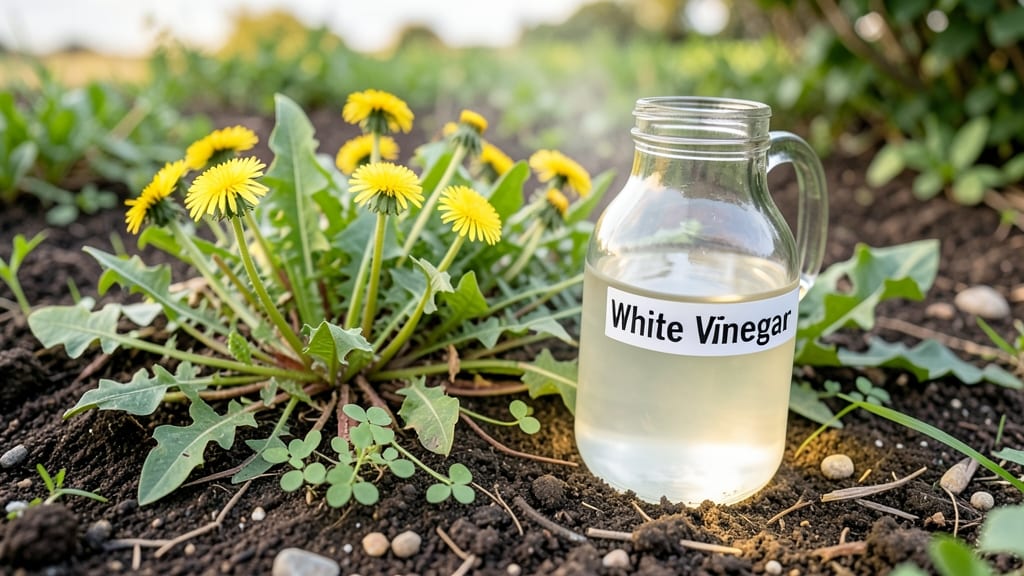
Virginia’s warm climate and diverse ecosystems create ideal conditions for stubborn broadleaf weeds. Learn to identify these 10 most common invaders and use targeted removal methods to reclaim your garden or lawn without toxic chemicals.
Dandelion Identification and Natural Eradication
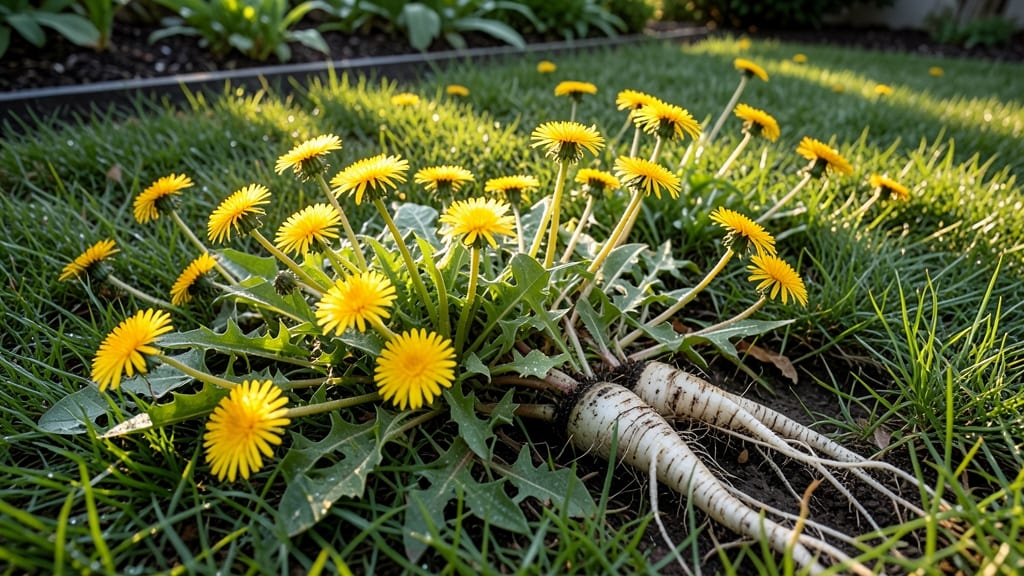
Spot those bright yellow blooms dotting your lawn or garden edges? Those are dandelions, Virginia’s most iconic broadleaf weed—and they’re far more than just a pesky nuisance. Their deep taproots can regrow if not fully removed, making them a persistent challenge for organic gardeners.
To eradicate them naturally, pull when the soil is moist (after rain or watering) to loosen the roots. Use a dandelion weeder tool or a screwdriver to dig out the entire taproot—even a tiny fragment left behind will sprout again. For stubborn patches, try a vinegar-based spray (3 parts vinegar, 1 part dish soap) on sunny days to avoid damaging nearby plants.
This method is perfect for organic gardeners and those with pets or children, as it avoids harsh chemicals. With consistent effort, you’ll reclaim your space without sacrificing your garden’s health. 💪
Clover Weed Control for Lawns and Gardens
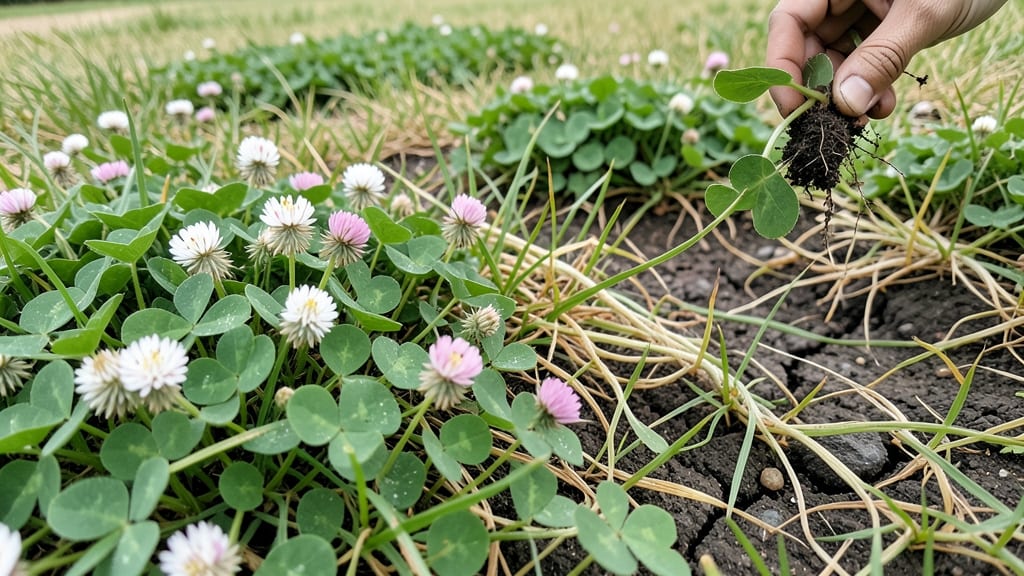
That three-leaf clover isn’t just a pretty ground cover—it’s a lawn thief that thrives in compacted soil and smothers grass roots. Unlike dandelions, clover spreads aggressively by seed and rhizomes, making it a persistent problem in both lawns and garden beds.
For dense infestations, start by hand-pulling when soil is moist (early morning or after rain) to avoid breaking the root system. A weed torch can also work for small patches—just be cautious in dry conditions. For larger areas, try a corn gluten meal pre-emergent in early spring to block seed germination naturally. Over time, aerating compacted soil and overseeding with grass will help reclaim your lawn.
Urban gardeners and organic lawn keepers will appreciate these methods—no chemicals required! Just remember: patience is key, as clover’s deep roots may need multiple removal attempts. 🌱
Purslane Elimination for Virginia Gardens
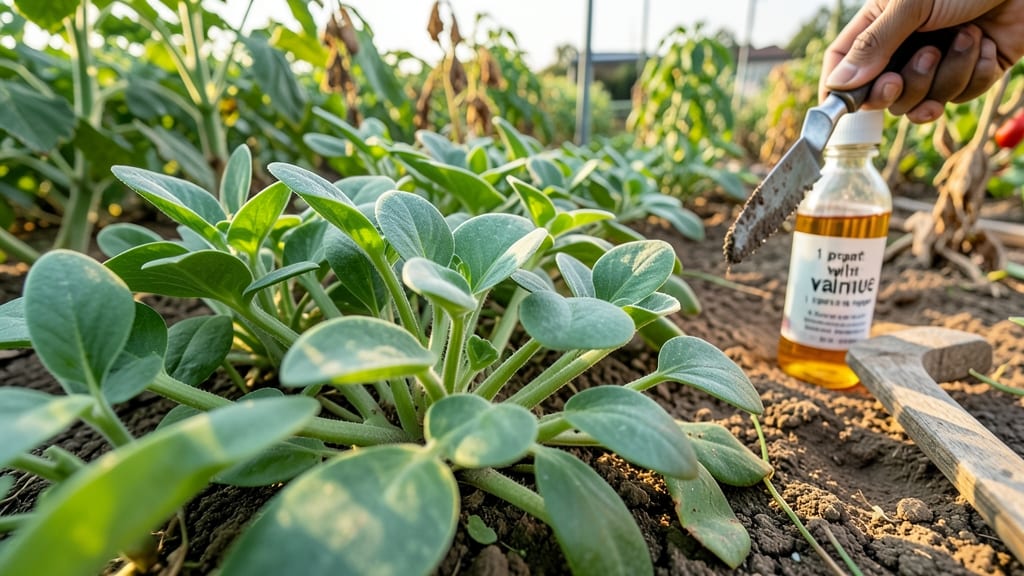
If your vegetable garden is being overtaken by thick, fleshy purslane stems, you’re not alone—this succulent weed thrives in Virginia’s dry, sunny conditions and can smother your crops if left unchecked.
For organic control, start with a vinegar-based solution (1 part vinegar to 1 part water with a drop of dish soap) applied directly to the leaves on a sunny day. The acid kills purslane without harming nearby plants. For long-term suppression, apply 2-3 inches of organic mulch (straw or wood chips) around vegetable beds to block sunlight and prevent seeds from sprouting. Hand-pulling works best when soil is moist, but avoid leaving root fragments behind.
This method is perfect for vegetable gardeners who want to avoid chemicals while keeping their beds weed-free. With consistent effort, you’ll reclaim space for your tomatoes and peppers instead of purslane. ✨
Chickweed Removal Without Chemical Sprays
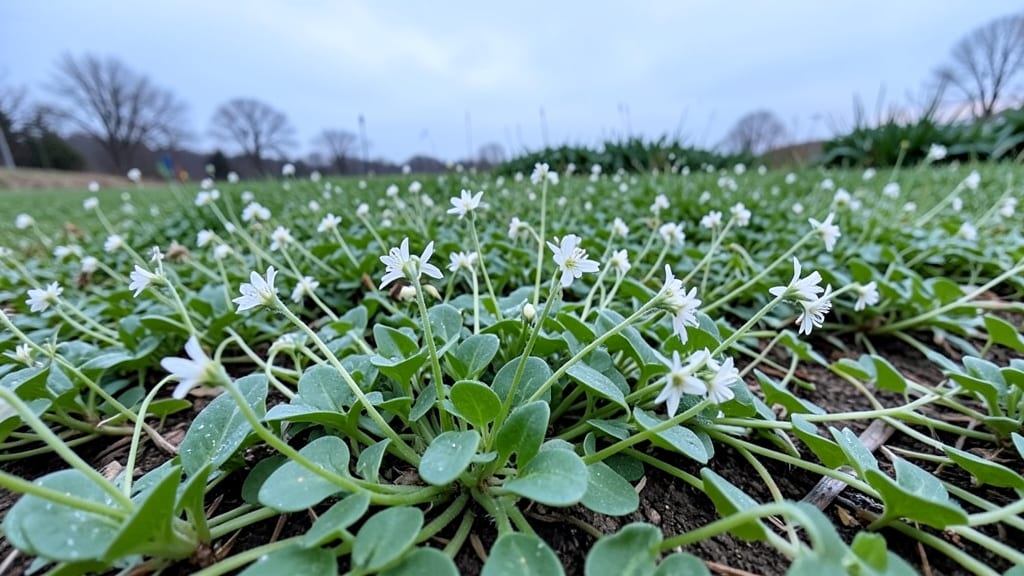
When chickweed blankets your garden with its delicate white flowers and sprawling green mats, it’s a sign winter’s soft touch has left behind a tenacious invader. This low-growing weed thrives in cool weather, crowding out seedlings and leaving bare spots in lawns—especially in Virginia’s mild winters.
For small gardens, hand-pulling works best when the soil is moist, making it easier to grasp the entire plant (roots and all). If chickweed has already taken over, smothering with cardboard is a game-changer: lay flattened boxes over infested areas for 4–6 weeks to block sunlight and starve the weed. Reapply mulch or compost afterward to prevent regrowth.
This method is perfect for beginners or urban gardeners with limited space—no chemicals, no fuss, just consistent effort. A little patience goes a long way in reclaiming your garden’s health. 🌱
Plantain Weed Eradication in Virginia Soil
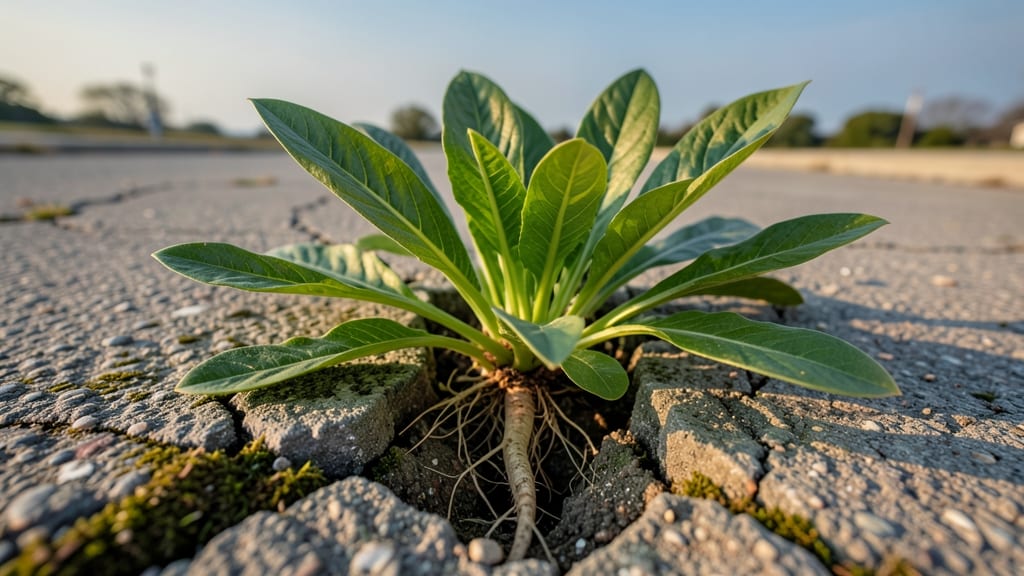
If you’ve ever spotted broadleaf plantain sprouting between sidewalk cracks or along driveways in Virginia, you’re not alone—this tenacious weed thrives in compacted, disturbed soil where other plants struggle. Unlike shallow-rooted weeds, plantain sends roots 6+ inches deep, making it a persistent nuisance for urban gardeners and city dwellers.
To eradicate it effectively, focus on repeated extraction—grab the base with gloves or a weeding tool and pull firmly, ensuring you remove the entire root system. For stubborn patches, apply a vinegar-based herbicide (30% acetic acid) directly to the leaves on a dry, wind-free day, then follow up with pre-emergent mulch (like straw or cardboard) to block regrowth. Target this weed in early spring or fall when soil is softer for easier removal.
Urban gardeners and sidewalk maintenance crews will find this method especially useful—plantain’s love for cracks and compacted soil makes it a prime candidate for non-toxic, long-term control without harming nearby plants. 💪
Henbit Weed Management in Spring Gardens
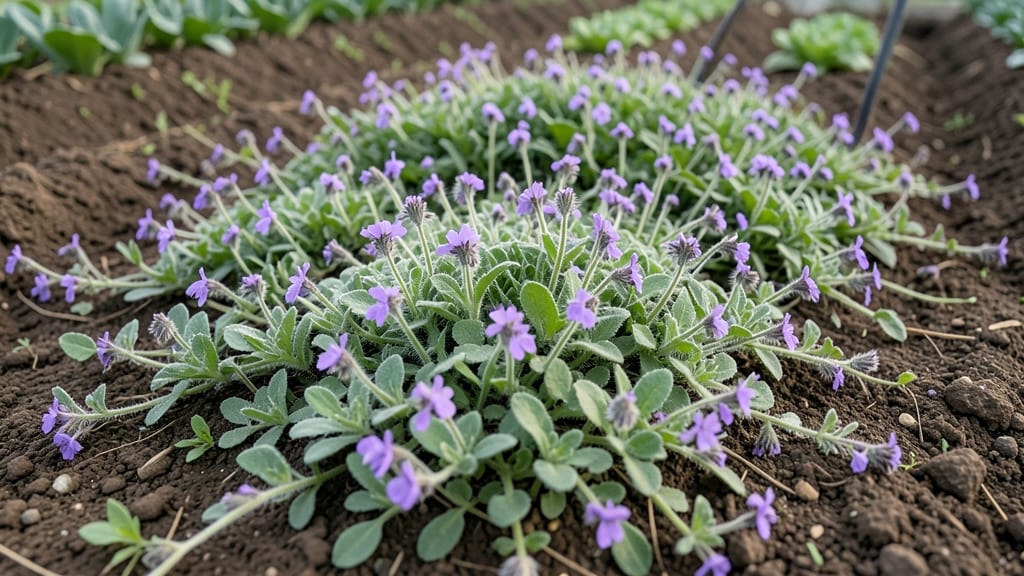
That early spring surge of purple-flowered henbit can turn your freshly tilled vegetable beds into a fuzzy green mat before you’ve even planted your first seedling. This aggressive broadleaf weed thrives in cool temperatures and emerges as soon as soil warms to 50°F, often outpacing your lettuce and spinach seedlings.
Prevent its spread by applying a 2-3 inch layer of straw or wood chip mulch before planting—this blocks sunlight and suppresses germination. For existing patches, pull weeds when soil is moist (they uproot more easily) and dispose of them in yard waste, not compost. Timing is key: henbit peaks in March-April, so stay vigilant during this window. 💚
Smartweed Control for Wet Virginia Areas
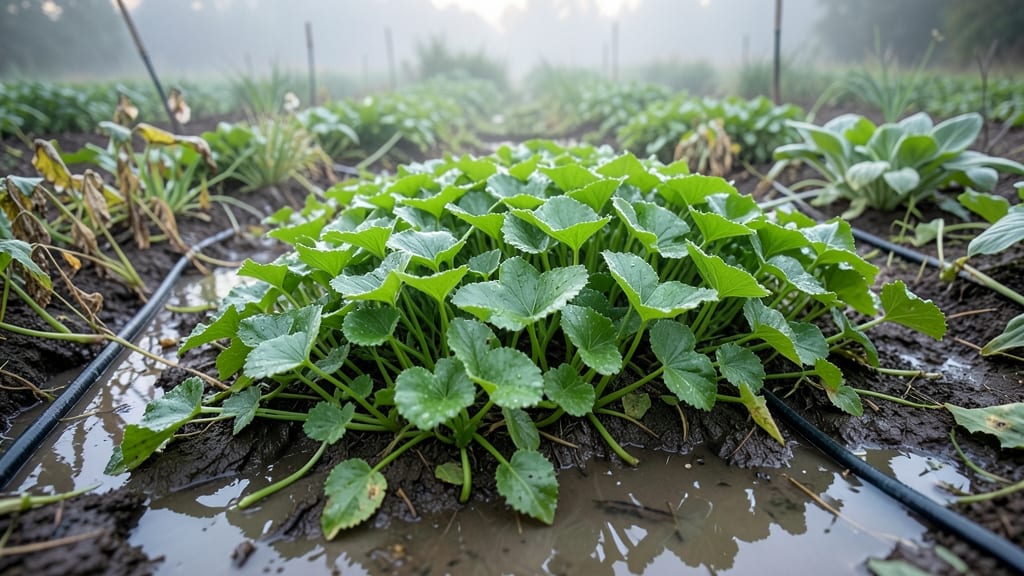
If your garden stays damp—whether from Virginia’s humid summers or irrigation runoff—smartweed (also called "arrowhead") is likely taking over. This aggressive broadleaf thrives in soggy soil, outcompeting your prized plants near ponds, rain gardens, or poorly drained beds.
For wet areas, vinegar solutions (10% acetic acid) work best when sprayed directly on leaves during dry, sunny days—avoid windy conditions to prevent drift onto desirable plants. Pair this with barrier mulch (cardboard or landscape fabric) to block sunlight and suppress regrowth. Repeat treatments every 2-3 weeks until the weed is eradicated, as smartweed spreads rapidly through rhizomes.
This method is ideal for water-loving gardeners and those with pondside landscapes, offering chemical-free control without harming aquatic ecosystems. 💚
Lambsquarters Identification and Prevention
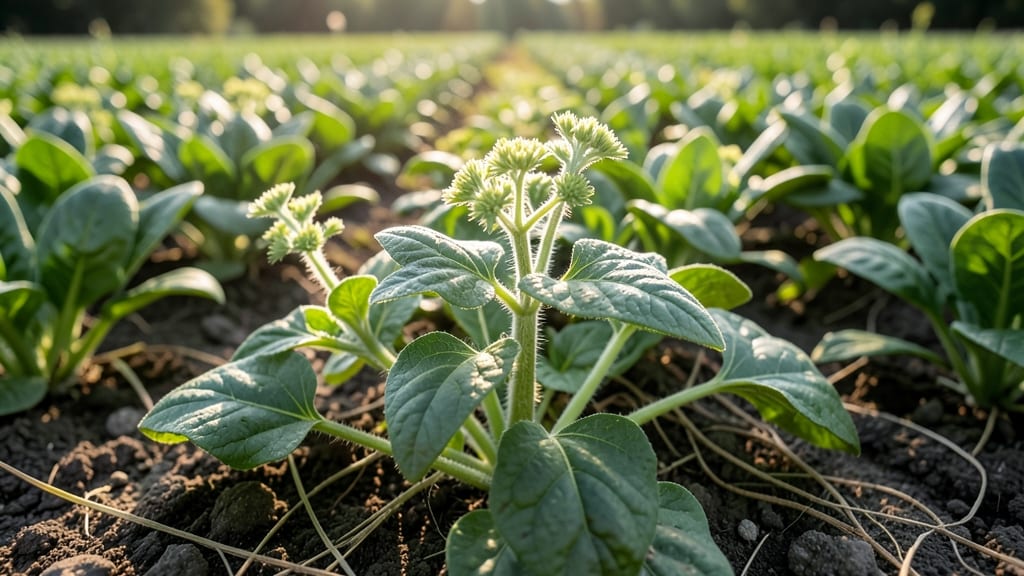
That edible imposter with triangular leaves might look like spinach, but lambsquarters is a fast-spreading broadleaf weed that can overtake vegetable beds if left unchecked. Its rough, slightly hairy leaves and small green flowers make it easy to mistake for a desirable crop—until it chokes out your tomatoes or beans.
To prevent dominance, remove young plants by hand before they bolt to seed, focusing on disturbed soil where it thrives. Rotate crops annually to disrupt its life cycle, and mulch heavily around garden edges to block sunlight. For persistent patches, vinegar spray (3% acetic acid) works on young plants, though it won’t kill deep roots—so repeat applications are key.
This weed is especially tricky for home gardeners who grow greens, as lambsquarters is safe to eat when young. The challenge? Keeping it from becoming a permanent resident in your beds. 💪
Spotted Knapweed Eradication in Pastures
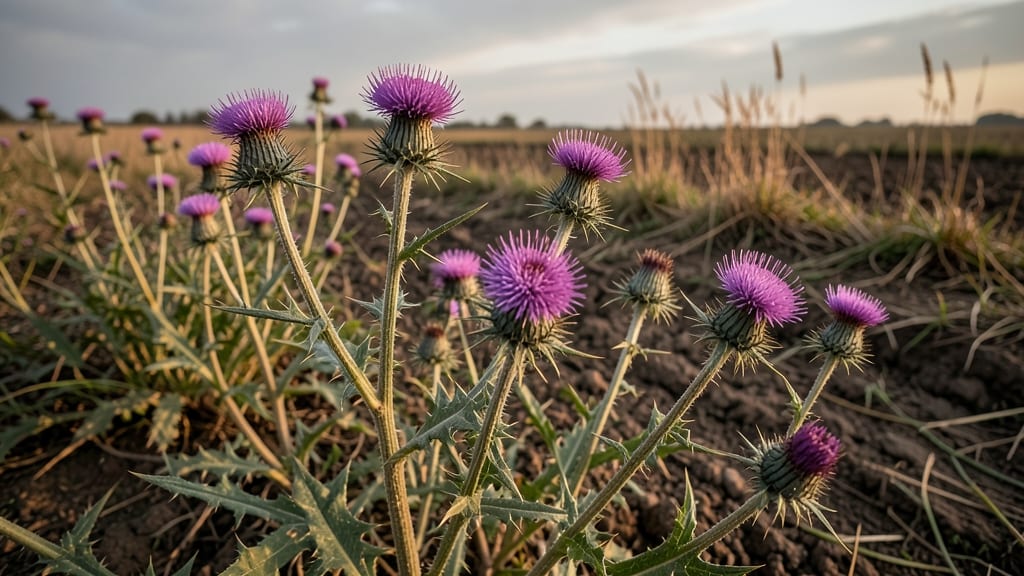
Those purple-spotted blooms in your pasture aren’t just pretty—they’re spotted knapweed, a noxious weed that spreads rapidly and crowds out forage for livestock. Unlike garden weeds, this invasive thrives in disturbed soils and can reduce grazing quality by up to 50% if left unchecked.
Start with manual removal in early spring before seeds mature—wear gloves and dig out the entire root system (up to 12 inches deep) to prevent regrowth. For larger pastures, implement rotational grazing: move livestock frequently to prevent seed spread and encourage native grasses to outcompete the weed. Spot-treat with vinegar-based herbicides (20-30% acetic acid) for stubborn patches, but avoid over-spraying to protect nearby plants.
Livestock owners and hay producers will see the biggest benefits from early intervention, as knapweed’s toxic compounds can even reduce milk production in dairy cows. 🌟
Vinegar-Based Weed Killer for Broadleaf Weeds

Skip the harsh chemicals—vinegar offers a non-toxic, budget-friendly way to tackle young broadleaf weeds like dandelions, chickweed, and plantain. Its acetic acid disrupts weed cell membranes, but timing and concentration are everything for effectiveness.
For best results, mix one gallon of white vinegar (5% acidity) with one ounce of dish soap (to help it stick) and apply on a warm, sunny day when weeds are actively growing. Spray directly onto leaves—avoid desirable plants, as vinegar lacks selectivity. Reapply every 3-5 days until weeds die, as repeated exposure works best.
This method is perfect for small gardens, walkways, and container edges where chemical sprays aren’t practical. Just remember: vinegar works fastest on young, leafy weeds before they establish deep roots. 💚