
How To
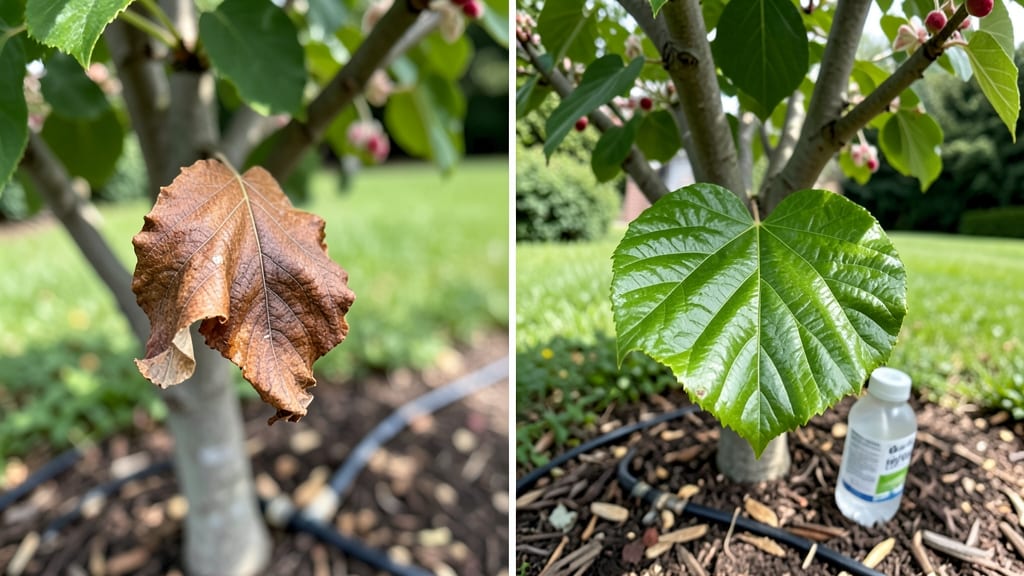
Brown leaf tips on your dogwood tree signal trouble—but copper spray can revive it fast. 🌿 I’ve seen this issue turn around in weeks with the right approach, and I’ll show you exactly how to diagnose the problem and treat it before it spreads.
The culprit is usually fungal leaf spot (like anthracnose) or environmental stress from heat/drought. Brown, crispy edges on older leaves? That’s classic fungal activity. Check for black spots or powdery residue—those confirm it. Copper spray disrupts fungal spores while being safe for pollinators when used correctly.
Within 7–10 days of treatment, you’ll notice new growth emerging from the center of the tree. The key is timing: apply spray in early spring (before buds swell) and again after rain. Prune affected branches in dry weather to prevent spread, and mulch to retain moisture.
This method works for all dogwood varieties, from flowering types to ornamental cultivars. The secret? Consistency—don’t skip the follow-up spray after heavy rain. Your tree’s comeback starts now.
Understanding Root Causes
When your dogwood tree’s leaves start showing brown tips, it’s often a cry for help from the tree itself. The good news? Most causes are fixable with the right diagnosis. Below, we break down the most common reasons why this happens—so you can take action before the problem spreads.
Dogwood trees thrive in well-draining soil, and when roots sit in soggy conditions, they struggle to absorb oxygen. This leads to root rot, which can cause leaves to develop brown, crispy edges as the tree’s nutrient uptake falters.
Signs to watch for:
- 🌱 Yellowing leaves (chlorosis) before browning appears
- 🕳️ Mushy or foul-smelling soil around the base
- 🌧️ Frequent rain or overzealous watering (more than 1–1.5 inches per week)
Why it happens: Excess moisture suffocates roots, preventing them from accessing water and nutrients efficiently. Dogwoods are not waterlogged-loving trees—they prefer moist but well-aerated soil.
Dogwood trees are partial-shade lovers, and when exposed to intense afternoon sun—especially in hot, dry climates—their leaves can develop brown, papery tips as a result of desiccation (rapid water loss).
Signs to watch for:
- 🔥 Browning on the sun-exposed edges of leaves (often one side of the tree)
- 🌡️ Crispy, brittle leaf tips (like burnt paper)
- 🌞 New growth wilting in peak summer heat
Why it happens: High temperatures increase transpiration (water evaporation from leaves) faster than roots can replenish it. Dogwoods in full sun without adequate moisture are especially vulnerable.
Fungal diseases like anthracnose and leaf spot thrive in wet, humid conditions and can cause brown, necrotic (dead) tips or spots on dogwood leaves. These pathogens clog stomata (leaf pores), disrupting gas exchange and leading to tissue death.
Signs to watch for:
- 🍄 Dark brown/black spots with yellow halos (anthracnose)
- 💦 Browning in wet, shady conditions (leaf spot)
- 🌿 Premature leaf drop in spring or fall
Why it happens: Fungi spore in damp environments, infecting leaves through wounds or natural openings. Dogwoods are highly susceptible due to their thin, delicate foliage.
Brown leaf tips can also signal a micronutrient deficiency, particularly iron (chlorosis) or nitrogen (poor growth). Iron deficiency causes interveinal chlorosis (yellowing between veins), which can progress to brown, dead tips if untreated.
Signs to watch for:
- 🟡 Yellow leaves with brown, crispy edges (iron deficiency)
- 🌱 Stunted new growth (nitrogen deficiency)
- 🏡 Alkaline soil (pH > 7.0) (locks out iron)
Why it happens: Dogwoods need acidic to slightly acidic soil (pH 5.0–6.5) for iron uptake. High pH or compacted soil prevents roots from accessing essential nutrients, leading to oxidative stress in leaves.
Tiny pests like spider mites and scale insects feed on leaf sap, causing desiccation and brown, brittle tips. Their saliva also disrupts the tree’s ability to photosynthesize efficiently.
Signs to watch for:
- 🕷️ Fine webbing on leaves (spider mites)
- 🐛 Sticky residue (honeydew) on foliage
- 🍃 Wilting or curled leaves
Why it happens: Pests pierce leaf cells, causing plasmolysis (cell dehydration). Severe infestations lead to necrosis (dead tissue) at the leaf edges.
Next up: Once you’ve identified the cause, we’ll show you how to revive your dogwood with copper spray and targeted care—fast!
Fixing Your Dogwood’s Brown Tips
Brown leaf tips on your dogwood don’t have to mean the end of its beauty—with the right approach, you can nurse it back to health and prevent future damage.
Below are targeted solutions based on the most common causes, along with easy-to-follow steps and preventive tips to keep your dogwood thriving.
Fix: Adjust your watering habits and improve soil conditions.
- 🔥 Stop Overwatering Immediately
- Dogwoods prefer consistently moist but well-draining soil. If the soil stays soggy, roots suffocate, leading to brown tips.
- Test the soil: Stick your finger 2-3 inches deep—if it’s damp, wait before watering again.
- 🌱 Improve Drainage
- Amend heavy clay soil with compost or organic matter (like peat moss or coconut coir) to help water flow.
- If planted in a low spot, consider raising the soil level slightly with a mound of amended soil.
- 👨🍳 Water Deeply but Less Often
- Water deeply 1-2 times per week (depending on climate) instead of shallow daily sprinkles.
- Morning watering is best—it reduces evaporation and fungal risks.
💡 Prevention Tip:
- Mulch properly: Apply 2-3 inches of mulch (wood chips or bark) around the base, but keep it 6 inches away from the trunk to prevent rot.
Fix: Hydrate properly and protect from extreme conditions.
- 🍳 Increase Watering Frequency
- If the soil is dry, water slowly and deeply until it seeps 6-8 inches down.
- Drip irrigation or soaker hoses work best—they deliver water directly to roots without wetting leaves (which can cause disease).
- 🌡️ Provide Afternoon Shade
- Dogwoods struggle in intense afternoon sun, especially in hot climates.
- Use light shade cloth or plant near partial shade (e.g., under taller trees or near a building).
- 🥗 Mulch to Retain Moisture
- A 3-inch layer of mulch helps soil stay cool and moist longer.
- Avoid mulching too close to the trunk—keep it 6 inches away to prevent rot.
💡 Prevention Tip:
- Monitor soil moisture regularly, especially in summer or drought-prone areas. A moisture meter can help track levels.
Fix: Treat infections and improve airflow.
- 🔪 Prune Infected Branches
- Remove and destroy (don’t compost) any leaves or branches with dark spots, lesions, or powdery white residue.
- Sterilize pruners with rubbing alcohol between cuts to prevent spreading spores.
- 🌿 Apply Fungicide
- Use a copper-based fungicide (like copper sulfate or copper hydroxide) every 7-10 days until new growth appears.
- Organic options: Neem oil or baking soda spray (1 tsp baking soda + 1 quart water + a drop of dish soap) can help mild cases.
- ⏰ Improve Air Circulation
- Thin out dense foliage to allow airflow.
- Space plants 6-10 feet apart if planting new dogwoods.
💡 Prevention Tip:
- Water in the morning to let leaves dry quickly.
- Avoid overhead watering—use soaker hoses or drip irrigation instead.
Fix: Adjust care based on the stressor.
- 🚿 Flush Soil with Water
- If salt buildup (from fertilizers, de-icing salts, or hard water) is the issue, water deeply for 10-15 minutes to leach out excess salts.
- 🌿 Move or Protect from Wind
- If wind burn is causing dry, crispy tips, plant near a windbreak (like a fence or hedge).
- Wrap young trees in burlap during harsh winds if needed.
- 🍎 Avoid Harsh Chemicals
- Stop using road salt near the tree.
- Test soil pH—dogwoods prefer slightly acidic soil (pH 5.0-6.0). Adjust with sulfur or peat moss if needed.
💡 Prevention Tip:
- Use rain barrels to collect water for irrigation—tap water can sometimes contain chlorine or fluoride that stresses plants.
Fix: Feed your dogwood the right nutrients.
- 📊 Test Soil for Deficiencies
- A soil test kit (available at garden centers) can confirm if iron (chlorosis) or nitrogen is lacking.
- Quick fix for iron: Apply chelated iron or iron sulfate according to package instructions.
- 💪 Fertilize Correctly
- Use a balanced, slow-release fertilizer (like 10-10-10) in early spring.
- Avoid high-nitrogen fertilizers in late summer—they encourage tender new growth that’s prone to frost damage.
- 🥗 Add Organic Matter
- Mix compost or well-rotted manure into the top 6 inches of soil for a nutrient boost.
💡 Prevention Tip:
- Mulch with compost annually to slowly release nutrients over time.
If your dogwood is already struggling, combine these quick fixes for the best recovery:
- Prune dead branches to redirect energy to healthy growth.
- Water deeply (1-2 times per week) and mulch heavily.
- Apply copper fungicide if fungal issues are suspected.
- Avoid stress—no major pruning or transplanting while recovering.
With the right care, your dogwood should bounce back with lush, green foliage in just a few weeks! 🌿💚
Frequently asked questions
Why do dogwood leaves turn brown only at the tips?
Brown leaf tips on dogwoods usually indicate fungal infections (like anthracnose), environmental stress (heat/drought), or nutrient deficiencies. The tips are most vulnerable because they have the highest surface area for water loss and pathogen entry. Check for black spots, powdery residue, or crispy edges to narrow down the cause.
Is copper spray safe for all dogwood varieties?
Yes, copper-based fungicides are safe for all dogwood species, including flowering and ornamental varieties. Apply in early spring before buds swell, and again after heavy rain. Always follow label instructions—copper can be phytotoxic if overused. For organic options, neem oil works well for mild cases.
How quickly should I expect to see improvement?
With proper treatment, you should see new green growth within 7–10 days. If using copper spray, reapply every 7–10 days until the problem resolves. For environmental issues (like drought), improvement may take 2–3 weeks as the tree recovers. Monitor soil moisture and adjust care accordingly.
Can I prune branches with brown tips to help recovery?
Yes, but only prune in dry weather to prevent fungal spread. Remove only dead or severely infected branches—never more than 25% of the tree at once. Sterilize pruners with rubbing alcohol between cuts. Pruning stimulates new growth and improves airflow.
Will my dogwood recover if half the leaves are brown?
It depends on the cause! If the issue is fungal or pest-related, prompt treatment can save the tree. For environmental stress (like drought), recovery is possible if roots are healthy. If more than 50% of the canopy is affected, consult an arborist—the tree may need deeper soil amendments or protection from harsh conditions.