
Pests and Diseases
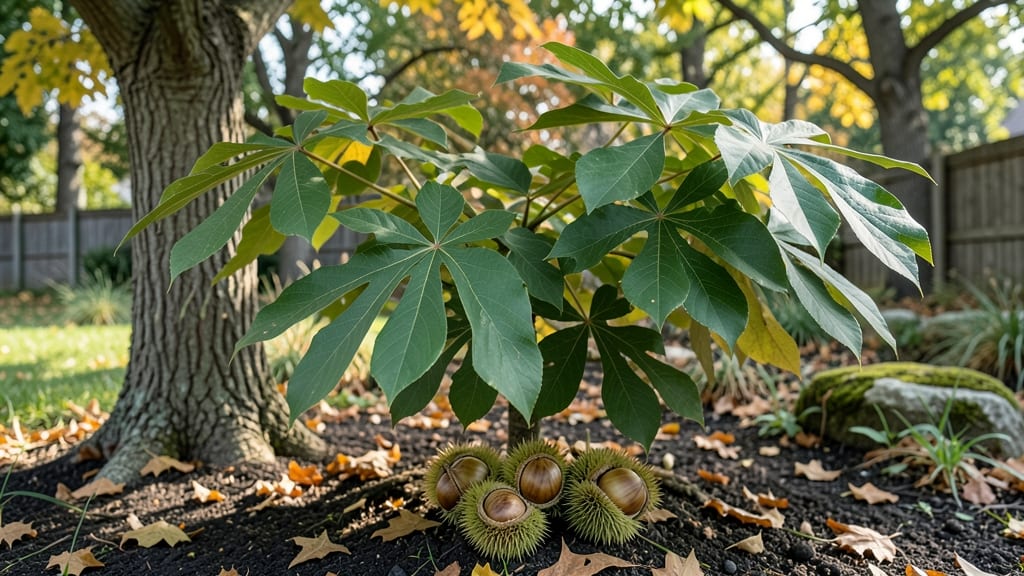
That brown, crunchy mess on your buckeye leaf and nut isn’t just autumn—it’s a disease warning. 🌿 I’ve watched buckeye trees go from vibrant to sickly in just weeks, and the key to saving them starts with spotting the early signs before they spread.
The most common offenders mimic each other, but knowing the difference means you can treat them before your tree’s health takes a hit.
Buckeye trees (Aesculus spp.) are tough, but they’re not invincible. Anthracnose, powdery mildew, and leaf spot diseases all love the same thing: wet leaves and crowded branches. The good news?
Most issues appear in late spring or early summer, giving you a 6-8 week window to act before the tree’s energy drains. Pruning out infected leaves early can cut the problem in half—just don’t toss them in your yard waste.
What you’ll end up with is a tree that stays lush and green, not one that drops leaves like it’s shedding winter coats. The nuts will stay plump and healthy, and your tree will bounce back from seasonal stress like it’s built to last.
The secret? Catching problems before they start and giving your buckeye the right care—water, sunlight, and space—to thrive.
Works for horse chestnuts, red buckeyes, or any Aesculus in your yard. Here’s how to keep yours disease-free and full of life.
📚 In This Guide
- What you need
- Instructions
- Tips and common mistakes
- Wrapping up and next steps
What you need
- ● Basic Gardening Tools: Pruning shears (sterilized with 70% isopropyl alcohol)
- ● Gloves (nitrile or rubber, for protection)
- ● Trowel (for soil inspection)
- ● Diagnostic Supplies: Hand lens or magnifying glass (10x magnification)
- ● pH testing kit (soil and water)
- ● Moisture meter (for checking soil hydration)
- ● Plastic bags (for collecting leaf/nut samples)
- ● Treatment Essentials: Neem oil (1–2%, 16 oz spray bottle)
- ● Copper fungicide (e.g., Copper Soap, 1 lb)
- ● Systemic fungicide (e.g., Myclobutanil, 4 oz)
- ● Hose with adjustable nozzle (for rinsing)
- ● Digital camera (to document symptoms before/after treatment)
- ● Soil amendments (e.g., compost or perlite for drainage)
- ● Beneficial nematodes (Phytophthora-resistant strains, if root rot is suspected)
- ● Plant disease identification app (e.g., PlantNet or iNaturalist)
Step-by-Step guide for diagnosing and treating buckeye leaf and nut diseases
Here's how to spot and tackle the most common issues—before they spread.
🌿 Step 1: Identify Symptoms on Leaves and Nuts
Start by examining the upper and lower leaf surfaces for telltale signs. Powdery mildew appears as a white, powdery coating on leaves, while tar spots show up as black, circular lesions with yellow halos. If you see brown, curling leaves, that’s likely anthracnose, a fungal disease that thrives in wet conditions.
Check the nuts too—discolored, shriveled husks or blackened spots on the shells mean fungal infection. I always inspect both leaves and nuts because symptoms often show up first on one part before spreading. Use a hand lens (if available) to spot tiny fungal spores or webs that indicate early-stage disease.
✂️ Step 2: Prune Infected Growth Immediately
Remove any infected leaves, branches, or nuts with sterilized pruners—dip blades in 70% rubbing alcohol between cuts to prevent cross-contamination. Focus on severely discolored or deformed foliage, as these harbor the most spores. Don’t toss pruned material in your compost bin; instead, bag and discard it in outdoor trash to stop the spread.
Thin out crowded branches to improve air circulation, which reduces humidity and slows fungal growth. I prune on a dry, sunny morning because the plant recovers faster when conditions are ideal. After pruning, clean up all debris from the ground—this removes hiding spots for spores.
💧 Step 3: Apply Fungicide at the Right Time
For powdery mildew or anthracnose, spray with a copper-based fungicide or neem oil solution (mix 1 tablespoon neem oil with 1 quart water and a dash of dish soap as a surfactant). Apply in the early morning or late afternoon to avoid burning leaves under direct sun. Reapply every 7-10 days or after heavy rain, as fungicides wash off.
If tar spot is the issue, a sulfur fungicide works best—follow label instructions for dilution. I always test a small leaf first to ensure the plant tolerates the treatment. Avoid fungicides with chlorothalonil if you plan to harvest nuts, as residues can linger. Water the soil deeply before spraying to help the plant absorb the treatment more effectively.
☀️ Step 4: Adjust Care to Prevent Recurrence
Buckeyes need well-draining soil—amend heavy clay with compost or sand to improve drainage and reduce fungal growth. Water at the base of the plant (not overhead) to keep leaves dry, and water in the morning so foliage dries quickly. Avoid overhead irrigation entirely during outbreaks, as wet leaves invite more spores.
Mulch around the base with 2-3 inches of organic mulch (like wood chips) to suppress weeds and regulate soil moisture. I also fertilize lightly in early spring with a balanced, slow-release fertilizer (10-10-10) to boost the tree’s natural defenses. Healthy buckeyes resist diseases better—so focus on soil health and proper spacing to minimize future issues.
Tips & tricks for managing buckeye leaf and nut diseases
These practical insights will help you catch problems early and treat them effectively.
Early Detection: In Step 1, when inspecting leaves, don't just look at the top—flip them over! Many fungal spores hide on the undersides, especially for powdery mildew. I use a small flashlight to shine through leaves—this helps spot hidden discoloration that might indicate early-stage anthracnose. The sooner you catch these signs, the easier they are to treat.
Pruning Precision: During Step 2, when removing infected branches, cut back to healthy tissue about 6 inches below the visible infection. This ensures you're removing all the hidden spores that might be lurking just below the surface. Always sterilize your pruners between cuts with rubbing alcohol—this prevents spreading disease from one infected area to another.
Fungicide Timing: For Step 3, the early morning application window is crucial—this allows the fungicide to dry completely before the sun gets intense. I've learned the hard way that applying in the heat can burn leaves, especially when using neem oil. If you must spray in the afternoon, choose a cloudy day to minimize sun exposure. Remember, the 7-10 day reapplication schedule is key because rain can wash fungicides off leaves.
Soil Preparation: When amending soil in Step 4, mix compost and sand thoroughly into the top 6-8 inches of soil. This creates a deep layer of improved drainage that helps prevent fungal spores from thriving. I also recommend adding a 1-inch layer of coarse gravel at the base of the tree to further enhance drainage during heavy rains.
Pro Tips for Buckeye Leaf And Nut
- These practical insights will help you catch problems early and treat them effectively.
- Early Detection: In Step 1, when inspecting leaves, don't just look at the top—flip them over!
- Pruning Precision: During Step 2, when removing infected branches, cut back to healthy tissue about 6 inches below the visible infection.
Frequently asked questions
Got questions about buckeye leaf and nut diseases?
Here are some of the most common concerns—plus quick, actionable answers to keep your trees healthy!
What are the most common diseases affecting buckeye leaves and nuts?
The most frequent issues include anthracnose (brown spots on leaves), powdery mildew (white fungal coating), and leaf spot (yellow/brown lesions). Nut rot (from Phytophthora) also damages fallen nuts. Early diagnosis is key—watch for discoloration, wilting, or premature leaf drop.
When is the best time to treat buckeye diseases?
Timing matters! Treat anthracnose and powdery mildew preventively in early spring (before buds swell) or after rain (when spores spread). For nut rot, apply fungicides late summer (August-September) when nuts are maturing. Always follow label instructions for best results.
Are there natural remedies for buckeye leaf diseases?
Yes! Try these organic options:
- Neem oil (1 tsp/gallon water) – Spray on leaves for fungal prevention.
- Baking soda mix (1 tbsp baking soda + 1 tsp soap + gallon water) – Helps with powdery mildew.
- Prune infected branches (sterilize tools with rubbing alcohol) to improve airflow.
For severe cases, copper fungicides are a safer synthetic backup.
Why are my buckeye nuts falling off early?
Early nut drop usually signals nut rot (from overwatering or fungal infection), nut weevils (tiny holes in shells), or environmental stress (drought/heat). Check for:
- Soft, mushy nuts (rot).
- Chewed shells (weevils).
- Yellowing leaves (nutrient deficiency).
Adjust watering, apply beneficial nematodes for weevils, or fertilize with low-nitrogen options (like 5-10-10).
Can I save a buckeye tree with severe disease?
It depends! If 50%+ of leaves are diseased or the trunk shows cankers, the tree may not recover. For less severe cases:
- Prune all infected parts (disposing of them in sealed bags).
- Apply systemic fungicides (like propiconazole) for deep-root issues.
- Improve soil drainage (buckeyes hate soggy roots!).
Monitor closely—some trees bounce back with aggressive care!
Wrapping up and next steps
From identifying buckeye leaf and nut diseases like anthracnose and powdery mildew to applying the right treatments, you’re now equipped to keep your buckeye trees thriving! 🌿 Remember, early action is key—regular inspections and proper care can prevent minor issues from becoming major headaches.
Ready to take the next step? Schedule a seasonal checkup for your buckeye trees or share these tips with fellow gardening enthusiasts. Happy growing! 🌱