
Plants
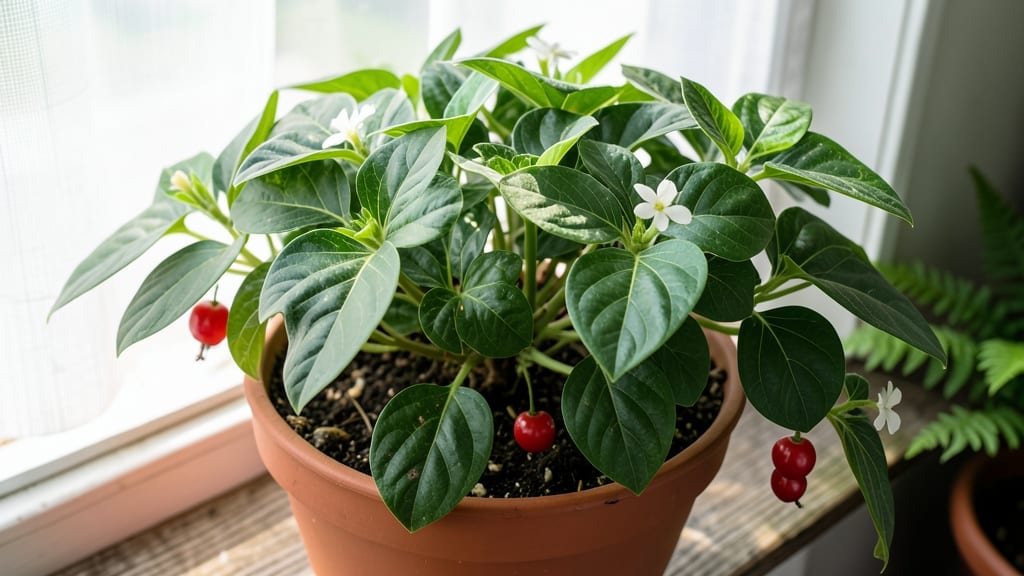
The butterfly leaf plant thrives in bright, indirect light and well-draining soil, requiring consistent moisture without sogginess. Prune leggy growth to encourage bushier foliage, and fertilize lightly during spring and summer for vibrant variegated leaves. Ideal temperatures range between 65–75°F (18–24°C).
The butterfly leaf plant, with its bold, variegated foliage, needs careful attention to lighting and soil to maintain its stunning appearance. 🌿 Unlike low-light plants, this beauty demands bright conditions—think east or west-facing windows—but direct sun can scorch its delicate leaves.
For soil, a mix of sandy loam and peat keeps roots happy while preventing waterlogging, which is the #1 killer of these tropical plants. I've found that grouping them with other humidity-loving plants creates a microclimate that mimics their natural habitat, especially in dry climates.
When it comes to growth habits, this plant sends out long, leggy stems if it doesn't get enough light, which is why pruning isn't just about aesthetics—it's about encouraging that bushy, full look.
A light feeding in spring and summer keeps those vibrant patterns popping, but too much fertilizer can actually dull the colors over time. Most importantly, never let it sit in cold drafts or below 65°F (18°C), as cold stress will make the leaves lose their signature patterns.
💡 In This Article
- Optimal Light and Soil Conditions for Butterfly Leaf Plant
- Common Butterfly Leaf Plant Care Mistakes and Fixes
Optimal light and soil conditions for butterfly leaf plant
The butterfly leaf plant—scientifically known as Psychotria elastica—relies on bright, indirect light to maintain its signature variegated patterns. Direct sunlight can cause leaf burn, leaving crispy brown edges, while too little light leads to elongated stems and faded colors.
The ideal spot mimics its tropical origins: 6-8 hours of filtered light daily, such as near an east-facing window or under a sheer curtain on a south-facing one. 🌿 In low-light conditions, supplement with a grow light (12-14 hours/day) to prevent leggy growth, which occurs when the plant stretches toward any available light source.
Soil composition is equally critical. This plant thrives in a well-draining mix that balances moisture retention and aeration. A blend of 50% sandy loam (for drainage) and 30% peat or coconut coir (for moisture) with 20% perlite or orchid bark works best.
The perlite creates air pockets that prevent root suffocation, while the peat holds just enough moisture to keep roots hydrated without waterlogging. For comparison, a standard potting mix (often 50% peat) can compact over time, reducing oxygen flow to roots—a common cause of root rot in butterfly leaf plants.
Drainage is non-negotiable. Without proper drainage, water pools at the bottom of the pot, suffocating roots and inviting fungal infections. Always use containers with drainage holes and avoid saucers unless they’re empty after watering.
A quick test: Press your finger 1 inch into the soil—if it feels damp, wait before watering again. Overwatering is the #1 killer of these plants, often leading to yellowing leaves and mushy stems.
In humid climates (above 60% humidity), reduce watering frequency to every 7-10 days; in dry air, mist the leaves lightly or use a pebble tray to boost humidity.
Temperature and humidity work hand-in-hand to keep this plant thriving. The ideal range is 65–75°F (18–24°C), but it can tolerate brief dips to 60°F (15°C). Below 60°F (15°C), the leaves lose their variegation and may develop brown spots—a clear sign of cold stress.
To adjust for low-light environments, pair the plant with a humidifier or group it with other tropicals like ferns or calatheas. This creates a microclimate with 60-70% humidity, which mimics its native rainforest conditions and prevents the crispy leaf edges that signal dry air.
One often-overlooked factor is light quality. While bright indirect light is ideal, fluorescent or LED grow lights with a cool white spectrum (5000-6500K) can supplement natural light in winter. Place the light 6-12 inches above the plant and keep it on for 12-14 hours daily to maintain growth.
Avoid incandescent bulbs—they emit too much heat and can scorch leaves. For soil pH, aim for a slightly acidic to neutral range (6.0-7.0); test kits are inexpensive and help prevent nutrient imbalances that dull leaf colors.
Pro tip: Rotate your butterfly leaf plant quarter-turns every 2 weeks to ensure even light exposure. This prevents one side from growing toward the light while the other remains pale. 💫 With the right light and soil, your plant will reward you with bold, glossy leaves that stay vibrant year-round.