
Pests
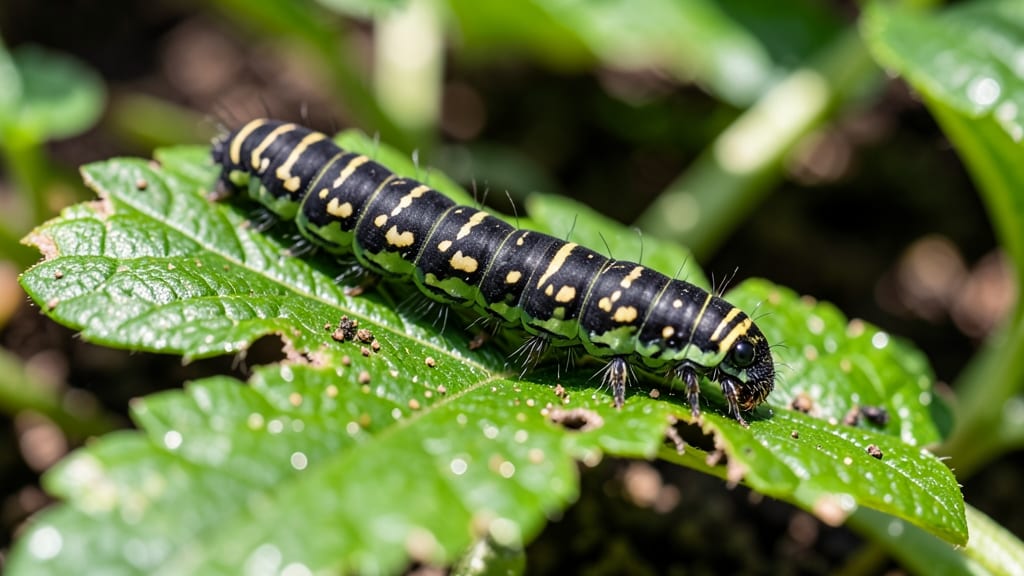
Seeing caterpillars on a leaf turn your thriving plants into skeleton leaves? 🌱 I’ve watched my cabbage go from lush to lace in days—until I discovered this fast-acting organic spray that stops the damage in its tracks. The real fix isn’t just killing caterpillars—it’s breaking their life cycle.
Neem oil disrupts their feeding within hours, while BT (Bacillus thuringiensis) targets only caterpillars, leaving bees and butterflies untouched. No more waiting for them to return after a single spray. By tomorrow, you’ll see fresh growth pushing through, and those chewed edges will be a memory.
The key is consistency: reapply after rain or every 5-7 days until the threat passes. Works for tomato hornworms, cabbage worms, and even tent caterpillars—no harsh chemicals, just results. Let’s get your garden back to full, happy leaves.
The Hidden Triggers Behind Leaf Munchers
When you spot caterpillars feasting on your plants, it’s not just a random act—it’s a response to specific conditions that make your garden an all-you-can-eat buffet. Understanding these triggers is the first step to reclaiming your leafy greens. Here’s why these tiny pests show up when they do:
Caterpillars aren’t just picky eaters—they’re opportunistic ones. A stressed or weakened plant emits chemical signals (called volatiles) that caterpillars can detect from a distance. These signals are like neon signs for pests, luring them to feast on plants that are already struggling.
- 💧 Overwatering or underwatering: Root stress or soggy soil weakens defenses, making leaves easier targets. Actionable fix: Water deeply but infrequently (1–2 inches per week) to encourage strong roots.
- ⚗️ Nutrient deficiencies: Yellowing leaves (chlorosis) or stunted growth signal poor health. Caterpillars love nitrogen-rich plants, so over-fertilizing with nitrogen can paradoxically attract them.
- 🦠 Fungal or bacterial infections: Spots, mold, or wilting can make plants more vulnerable. Pro tip: Remove infected leaves immediately to stop the cycle.
Caterpillars don’t just appear—they emerge in waves tied to their life stages. Most species have synchronized hatching periods, often triggered by warm weather or specific host plants being available. For example:
| Season | Common Culprits | Why They Strike |
|---|---|---|
| Spring | Tobacco hornworms, cabbage loopers | Mild temperatures and new leaf growth provide a protein-rich feast. Eggs laid in fall hatch as soon as soil warms. |
| Summer | Tomato hornworms, tent caterpillars | Peak caterpillar activity due to abundant foliage and high humidity. They molt rapidly, devouring more as they grow. |
| Fall | Gypsy moth caterpillars, armyworms | Cool nights and warm days create ideal conditions for egg-laying. Late-season outbreaks can strip gardens before winter. |
💡 Pro Tip: Monitor plants weekly during peak seasons (spring/summer) for egg masses (often on undersides of leaves) or fresh frass (caterpillar poop). Early detection = fewer chewed edges!
Caterpillars need more than just food—they need safety. Dense foliage, leaf litter, or nearby trees provide hiding spots from predators (like birds or parasitic wasps) and shelter from harsh weather. If your garden offers these, it’s a caterpillar’s dream home.
- 🌳 Tall or unkempt plants: Bushy shrubs or vines create microclimates where caterpillars thrive. Fix: Prune regularly to improve airflow and visibility.
- 🍂 Leaf debris and mulch: Piles of fallen leaves or thick mulch act as insulation for overwintering eggs or pupae. Action: Rake up debris in fall and spring.
- 🏡 Proximity to wild areas: Forests, hedgerows, or even a neighbor’s yard can be caterpillar highways. Migratory species (like armyworms) travel in swarms.
🔥 Quick Fix: Install barrier netting over young plants or use copper tape around garden beds to deter crawling pests.
Not all caterpillars eat everything—many have specific host plants they’re wired to target. For example:
- 🥬 Cabbage family (Brassicas): Imported cabbage worms and loopers only attack broccoli, kale, or Brussels sprouts.
- 🍅 Tomatoes and peppers: Hornworms (with their camouflage masters) zero in on these plants.
- 🌻 Sunflowers and asters: Red admiral caterpillars prefer these bright blooms.
🎯 Strategy: Plant repellent companions like basil, dill, or marigolds near vulnerable crops to mask host plant scents.
Quick Fixes for Leaf Munchers
If you’ve spotted caterpillars on a leaf and your plants are looking more like Swiss cheese than lush foliage, don’t panic! Here’s how to tackle the problem—fast, effectively, and without harsh chemicals.
The key is to act quickly, identify the culprit, and apply the right solution. Below, we’ve mapped out practical fixes for common causes, along with prevention tips to keep your garden caterpillar-free.
If your plants are under siege by armyworms, tent caterpillars, or loopers, manual removal is often the fastest way to stop the damage.
How to Fix It: 🍳 Handpick the pests – Wear gloves and pluck caterpillars off leaves, dropping them into soapy water (1 tbsp dish soap per gallon of water) to kill them instantly. 👨🍳 Shake them off – For small plants, gently shake branches over a bucket of soapy water to dislodge larvae. 🥘 Disrupt their habitat – Prune and destroy heavily infested leaves (seal them in a bag before tossing). ⏰ Act at dawn or dusk – Caterpillars are most active then, making them easier to spot and remove.
Prevention Tips: ✅ Encourage natural predators – Ladybugs, birds, and parasitic wasps love caterpillars. Plant native flowers to attract them. ✅ Use row covers – Lightweight fabric barriers can block egg-laying moths before larvae hatch. ✅ Rotate crops – Avoid planting the same susceptible plants (like cabbage or tomato) in the same spot yearly.
Sometimes, chewed edges aren’t from caterpillars but from fungal infections (like anthracnose) or bacterial leaf spot. Misdiagnosing can lead to wasted efforts!
How to Fix It: 🔪 Inspect closely – Look for slime trails, yellowing, or spots (not just holes). Caterpillars leave irregular tears, while fungal damage often has defined edges. 🌡️ Apply organic fungicide – Mix 1 tsp baking soda + 1 tbsp neem oil + 1 quart water + a drop of dish soap (as a surfactant). Spray affected leaves every 7–10 days. 🎯 Improve airflow – Prune dense foliage to reduce humidity, which fuels fungal growth.
Prevention Tips: 💡 Water at the base – Avoid wetting leaves, especially in the evening. 🌿 Remove fallen leaves – They can harbor spores; compost them separately. 🔥 Use copper spray – A natural fungicide that prevents bacterial spread.
Some caterpillars (like tomato hornworms or gypsy moths) lay eggs in hidden spots, making sprays ineffective.
How to Fix It: 🔍 Scrape off egg masses – Check under leaves, stems, and along fence posts. Scrape them into soapy water. 🍎 Use kaolin clay spray – A natural barrier that repels egg-laying moths and young larvae (mix 1–2 tbsp clay powder per gallon of water). 🌿 Introduce BT (Bacillus thuringiensis) – A biological pesticide that targets caterpillars’ digestive systems. Spray it every 7–10 days during outbreaks.
Prevention Tips: ✨ Install yellow sticky traps – Moths are attracted to yellow; traps can catch them before they lay eggs. 🌱 Plant trap crops – Let nasturtiums or marigolds grow near vulnerable plants to lure pests away. 📊 Monitor weekly – Check for new egg clusters or tiny larvae (they’re easier to remove early).
Final Pro Tip: 💡 Combine methods for best results! For example, handpick + BT spray + row covers can eliminate an infestation faster than any single solution. And remember—organic doesn’t mean slow. With these fixes, your leaves will bounce back in no time!
Frequently asked questions
What are the most common caterpillars that eat leaves in home gardens?
Look for tomato hornworms (green with white stripes), cabbage loopers (green or brown), and tent caterpillars (silky webs). These are the top culprits—hornworms hide as camouflage while loopers create distinctive "windowpanes" in leaves. Check undersides of leaves at dawn when they're most active.
How do I tell if leaf damage is from caterpillars vs. other pests?
Caterpillar damage has irregular, jagged edges while slugs leave slimy trails and aphids cause sticky residue. Look for frass (tiny black droppings) near holes—this confirms caterpillars. Also check for egg masses (tiny white clusters) on leaf undersides or stems.
Is it safe to use neem oil on caterpillars?
Yes! Neem oil disrupts caterpillars' feeding within hours while being pet-safe when dried. Mix 1 tsp neem oil + 1 tsp mild soap + 1 quart water and spray both leaves and soil. Reapply after rain. For severe infestations, combine with BT (Bacillus thuringiensis) for faster results.
Will birds or other predators actually help control caterpillars?
Birds, parasitic wasps, and ladybugs naturally target caterpillars. Plant native flowers (like dill or fennel) to attract them. Hang bird feeders near your garden and avoid pesticides that harm these helpers. Even a few sparrows can clear out an infestation in days!
How soon will my plants recover after removing caterpillars?
New growth appears within 3-7 days if you remove the caterpillars and improve plant health. For heavy damage, prune affected leaves to redirect energy to new foliage. Feed with compost tea to speed recovery. Most plants bounce back fully if the roots stay healthy!