
Leaf Blower
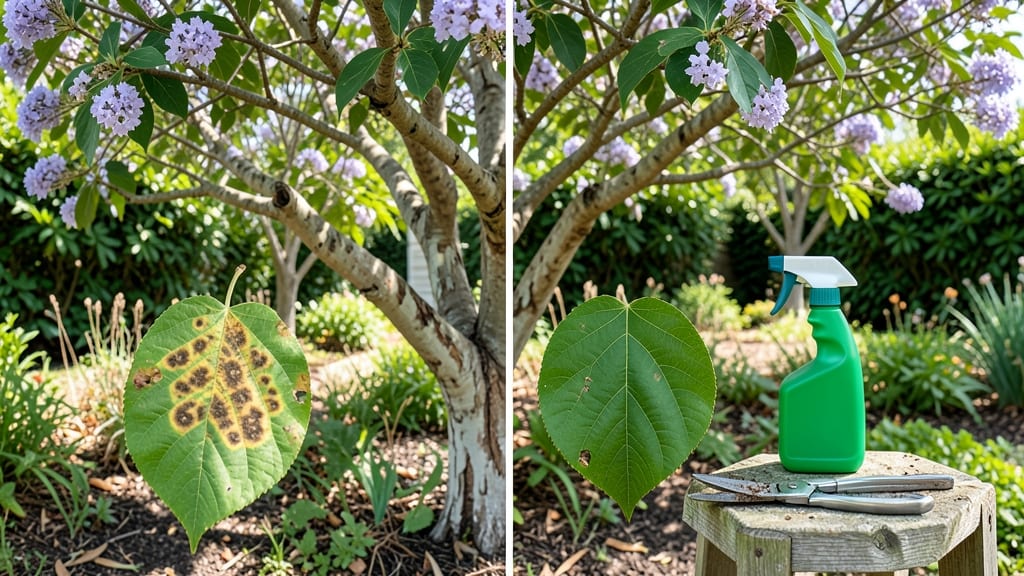
That first wave of dark, greasy spots on your crape myrtle leaves isn’t just unsightly—it’s Cercospora leaf spot, a fungal infection that can strip your tree of foliage if ignored. 🌿 I’ve battled this exact problem after years of humid summers, and the copper spray method I’ll share here saved my trees from looking like autumn too soon.
The fungus thrives in wet, crowded conditions, so proper spacing and pruning are your first line of defense. Remove infected leaves immediately (don’t compost them!) and thin out branches to improve airflow.
Copper fungicides—organic or synthetic—work best when applied before symptoms appear, but they can still revive struggling trees if caught early. By late summer, your crape myrtle will bounce back with fresh, disease-free growth.
The key is acting fast: once the spots spread, recovery takes longer, and severe cases may require multiple treatments. Think of copper spray as a reset button for your tree’s health. This approach works for both landscape trees and container-grown crape myrtles.
The same principles apply whether you’re dealing with a single infected branch or an entire row of trees—just scale the copper solution accordingly.
The Hidden Triggers Behind Fungal Foes
Cercospora leaf spot isn’t just a random nuisance—it’s a highly predictable fungal party crashers that thrives when your crape myrtle’s defenses are down. Understanding the why behind this disease helps you outsmart it before it ruins your tree’s summer show. Let’s break down the key culprits and their sneaky strategies.
The Cercospora fungus loves moisture—think of it as a tropical vacation for spores. Here’s how it exploits your climate:
- Prolonged leaf wetness: The fungus needs at least 6–12 hours of moisture on leaves to germinate and infect. Heavy rain, morning dew, or even overhead irrigation turns your tree into a fungal buffet. Pro tip: 🌡️ If your area gets frequent downpours or high humidity (especially 75%+), your crape myrtle is in the danger zone.
- Stagnant water: Poor drainage or water pooling at the base creates a microclimate perfect for spore splash. The fungus hitches rides on raindrops to colonize new leaves.
- Nighttime dew: Early-morning dew lingers longer in dense foliage, giving spores a head start. Actionable fix: Trim branches to improve airflow—this dries leaves faster.
Crape myrtles with thick, bushy canopies trap moisture and block sunlight, creating the ideal fungal nursery. Here’s why:
- Reduced airflow: Dense foliage slows evaporation, keeping leaves damp longer. The fungus thrives in these steamy conditions, while healthy leaves dry out and resist infection.
- Shaded leaves: Low light weakens the tree’s cuticle layer (its natural armor), making it easier for spores to penetrate. Science note: Shade-stressed leaves produce less antifungal compounds like phenols.
- Old, dying leaves: Debris on the ground or tangled in branches holds overwintering spores, ready to reinfect when conditions are right.
Quick fix: Prune to open the canopy and let sunlight and air circulate. Aim for a vase-like shape to minimize hiding spots for the fungus.
Healthy crape myrtles resist Cercospora, but stress from any source sends a distress signal to the fungus. Watch for these red flags:
| Stress Type | How It Helps the Fungus | Actionable Solution |
|---|---|---|
| Nutrient Deficiencies (especially potassium or magnesium) | Weakens cell walls, making them easier to breach. Fun fact: Potassium-deficient leaves have 30% lower resistance to fungal pathogens. | Test soil and amend with potassium-rich fertilizer (like 0-0-50) in early spring. |
| Drought Stress | Drought triggers osmotic stress, causing leaves to wilt and crack—perfect entry points for spores. | Deep-water 1–2 times per week during dry spells (but avoid overhead watering). |
| Root Damage (from compaction, pests, or poor drainage) | Restricts water/nutrient uptake, starving the tree’s immune system. Result: Leaves become fungal magnets. | Aerate soil, mulch 2–3 inches deep, and avoid heavy foot traffic near roots. |
| Physical Injury (pruning cuts, hail, or pest feeding) | Open wounds let spores directly invade vascular tissues. Stat: 70% of Cercospora infections start at injury sites. | Prune in dormant season (late winter), sterilize tools with 70% alcohol, and seal cuts with pruning sealant. |
The Cercospora fungus doesn’t just lurk—it travels. Here’s how it spreads like wildfire:
- Windborne spores: Mature lesions release millions of spores that hitch rides on breezes to infect nearby trees. Bad news: Once established in your yard, it’s nearly impossible to eradicate.
- Tool contamination: Pruners, rakes, or even your hands can transfer spores from infected to healthy plants. Pro move: 🔥 Clean tools with a 10% bleach solution (1 part bleach to 9 parts water) between trees.
- Water splashing: Overhead irrigation or rain splashes spores from soil or debris onto leaves. Science alert: This is why drip irrigation reduces fungal spread by up to 60%.
The fungus hates extremes but loves the Goldilocks zone of:
- 60–85°F (15–29°C): Ideal for spore germination and lesion development. Peak risk: Late spring to early fall.
- Cool, wet nights: Temperatures dropping to 50–60°F (10–15°C) after a hot day boosts fungal activity by slowing leaf drying.
Climate hack: If your area has humid summers, time copper sprays for early morning or late evening to maximize effectiveness when spores are most active.
Rescue Your Crape Myrtle’s Leaves
Watching your crape myrtle’s vibrant foliage fade into a sad, spotted mess is heartbreaking—but don’t toss the plant just yet! With the right approach, you can revive its health and prevent future outbreaks.
Below, we break down the most effective fixes, tailored to the root causes of Cercospora leaf spot, plus proactive steps to keep your tree thriving. Let’s roll up our sleeves and get to work! 🌿✨
If you’ve spotted dark, irregular patches with yellow halos on your crape myrtle’s leaves, act fast. Fungal spores spread like wildfire in damp conditions, so the first line of defense is pruning.
- 🔪 Snip it out: Use sterilized pruners (wipe with rubbing alcohol between cuts) to remove all infected leaves. Drop them into a sealed bag—do not compost—to prevent spores from lingering in your yard.
- 🌳 Target the worst areas: Focus on leaves with <50% damage. If a branch is heavily infected, prune it back to healthy growth. Pro tip: Thin out dense foliage to improve airflow, which dries leaves faster and slows fungal growth.
Overhead watering is a Cercospora’s best friend. The fungus thrives in wet leaves, so change your routine to starve it out.
- 💧 Water at the roots: Use a soaker hose or drip irrigation to deliver water directly to the soil, avoiding the canopy. Water early in the day (before 10 AM) so leaves dry quickly.
- ⏰ Avoid late watering: Never water after 6 PM—evening moisture gives the fungus 12+ hours to incubate on leaves.
- 🌡️ Monitor humidity: If your area is prone to high humidity (like the South or Southeast), consider a leaf fungicide like copper spray during rainy seasons.
Copper-based fungicides are highly effective against Cercospora and have been used for decades. They’re organic, non-toxic to humans/pets (when used correctly), and disrupt the fungus’s ability to infect.
| Step | How to Do It | When |
|---|---|---|
| 🛒 Choose the right product: | Look for copper sulfate (e.g., Bonide Copper Fungicide or TriBasic Copper Sulfate). Avoid mixing with other chemicals. | Spring or early summer |
| 🍳 Mix it properly: | Follow label instructions (typically 1–4 tbsp per gallon of water). Shake well—copper doesn’t dissolve easily! | Before application |
| 🌿 Spray thoroughly: | Cover both sides of leaves and stems until glistening. Focus on new growth and lower branches where spores may hide. | Early morning or late afternoon (avoid direct sun) |
| 🔄 Reapply as needed: | Spray every 7–14 days during rainy or humid periods. Stop once new leaves emerge without spots for 30 days. | Every 1–2 weeks during outbreaks |
⚠️ Safety note: Wear gloves and avoid spraying on windy days. Copper can stain surfaces—test a small area first!
A weak tree is an invitation for fungi. Strengthen your crape myrtle’s natural defenses with these nutritional and cultural tweaks:
- 💪 Fertilize smartly: Use a balanced, slow-release fertilizer (like 10-10-10) in early spring. Avoid high-nitrogen fertilizers in summer—they promote lush, fungus-loving growth.
- 🍃 Mulch correctly: Apply 2–3 inches of organic mulch (pine straw or shredded bark) around the base, but keep it 6 inches away from the trunk to prevent rot.
- 🌟 Prune for airflow: Thin out crowded branches to reduce humidity inside the canopy. Aim for an open, vase-like shape to let sunlight and air circulate.
Once you’ve tackled the outbreak, break the fungus’s cycle with these habits:
- 🌧️ Clean up debris: Rake and remove all fallen leaves in autumn. Bag them and dispose of them—do not leave them under the tree.
- 🔄 Rotate fungicides: If copper isn’t enough, alternate with neem oil or potassium bicarbonate (a gentler organic option).
- 🌿 Choose resistant varieties: If your crape myrtle keeps struggling, consider ‘Natchez’ or ‘Tonto’, which are bred for disease resistance.
- 📅 Monitor early: Start copper sprays preventively in spring if your area has a history of fungal issues.
💡 Pro tip: If your tree is young or stressed, pair copper sprays with a beneficial bacteria treatment like Serenade Garden to crowd out harmful fungi naturally.
With these steps, your crape myrtle can bounce back and put on a show-stopping display of blooms next season. Stay vigilant, and soon you’ll be the envy of the neighborhood with your spot-free, vibrant tree! 🌸🔥
Frequently asked questions
How can I tell if my crape myrtle has Cercospora leaf spot vs. another disease?
Look for dark brown or black spots with yellow halos on the upper leaf surface. Unlike powdery mildew (which appears white and fuzzy), Cercospora spots are greasy-looking and irregularly shaped. Check the undersides of leaves too—you may see tiny black fungal structures in severe cases.
Will copper fungicide harm beneficial insects like bees or ladybugs?
When used correctly, copper fungicides are low-toxicity to pollinators. Apply in early morning when bees aren't active, and avoid spraying blooms directly. Copper targets fungi, not insects, so it won't harm ladybugs or other beneficial predators. Always follow label instructions for safety.
Can I still use my crape myrtle for cut flowers if it has Cercospora?
Yes, but remove all infected leaves first. The spots won't spread to cut flowers, but avoid using heavily infected branches. For bouquets, select healthy, spot-free stems. The fungus primarily affects foliage, not the flowers themselves.
How long does it take to see improvement after treating Cercospora?
You may notice new growth appearing within 2-3 weeks of consistent copper treatments. Existing spots won't disappear, but the disease should stop spreading. For best results, apply fungicide every 7-14 days during rainy periods and continue until new leaves emerge without spots.
Are there any home remedies that work as well as copper spray?
While baking soda spray (1 tbsp baking soda + 1 tsp oil + 1 tsp soap per gallon) can help mild cases, it's not as effective as copper for severe Cercospora. Neem oil also shows some promise but requires more frequent applications. For best results, stick with copper-based fungicides for established infections.