
Leaf Blower
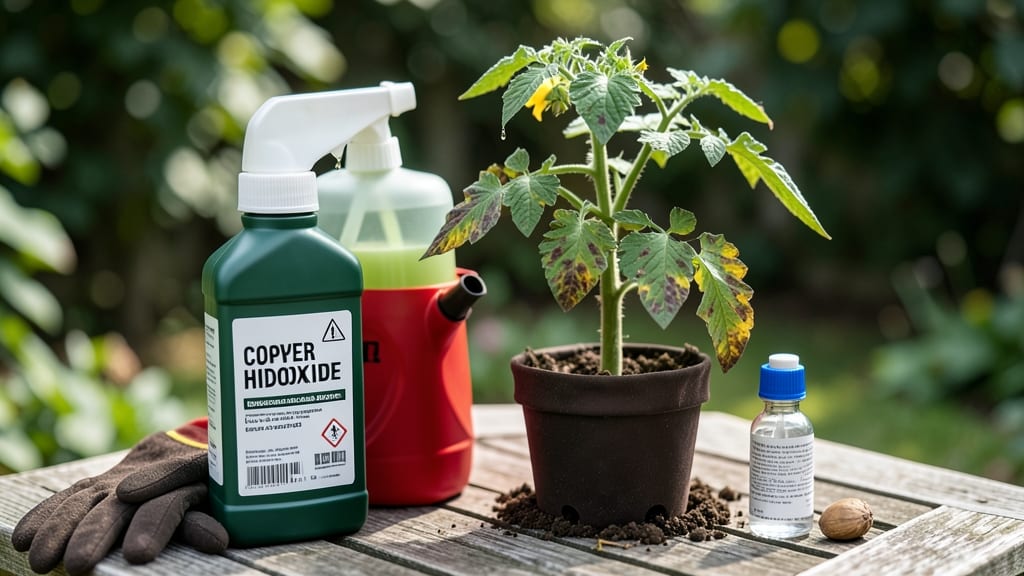
When your tomato leaves develop those telltale brown spots with yellow edges, Cercospora leaf spot fungicide is your fastest fix. 🌱 I’ve seen this disease turn lush plants into sad, spotted messes in just a few weeks—until I learned the right treatments.
The good news? Copper-based sprays and neem oil can stop the spread within 48 hours if you act quickly.
This fungus thrives in warm, humid conditions, so it’s not just about spraying—it’s about giving your plants the right environment. Overcrowded plants with poor airflow are prime targets, and once it takes hold, it spreads like wildfire.
But with the right fungicide and a few preventive tweaks, you can protect your garden from becoming a fungal buffet.
You’ll notice the spots slow down within a day of treatment, and new growth stays clean if you keep up with applications. The key is consistency: spray every 7-10 days during humid weather, and pair it with proper spacing and sanitation.
Resistant varieties like ‘Mountain Merit’ tomatoes can also save you headaches down the road.
No more helplessly watching your harvest disappear—this method works for beans, cucumbers, and peppers too. Let’s get your plants back to thriving in no time.
Root Causes Of Leaf Spots
Cercospora leaf spot isn’t just a random nuisance—it’s the result of a perfect storm of environmental and biological factors. Understanding why these brown spots appear on your plants is the first step toward stopping them before they spread.
Here’s a breakdown of the key culprits and how they work together to create trouble.
The Cercospora fungus thrives in hot, humid conditions, which is why leaf spots often flare up during summer or in tropical climates. Here’s how it happens:
- High humidity (80%+): Moisture lingers on leaf surfaces, creating a damp environment that the fungus loves. Spores germinate faster when leaves stay wet for 6+ hours.
- Warm temperatures (75–90°F): The fungus grows most aggressively in this range. Cooler nights slow it down, but consistent heat speeds up spore production.
- Poor air circulation: Dense foliage or overcrowded plants trap moisture, turning leaves into fungal breeding grounds. Think of it like a green sauna for spores.
💡 Pro Tip: If your garden feels like a swamp in summer, you’re already at risk. Use drip irrigation at dawn (not overhead watering) to keep leaves dry.
Healthy plants resist Cercospora, but stress opens the door. These factors weaken defenses:
- Nutrient deficiencies: Low nitrogen or potassium makes leaves thinner and more susceptible to fungal penetration.
- Physical damage: Wind, hail, or even rough handling during pruning creates entry points for spores.
- Overwatering or drought stress: Both extremes disrupt root health, leaving plants vulnerable. Consistent moisture (not soggy soil) is key.
- Previous infections: If Cercospora hit last season, spores linger in soil or plant debris, ready to reinfect.
✨ Actionable Fix: Test soil pH (aim for 6.0–7.0) and fertilize with balanced NPK (10-10-10) to boost plant resilience.
Fungal spores are tiny but mighty, and they hitchhike on unsuspecting carriers:
- Pruners and shears: If you cut an infected leaf, spores stick to blades and jump to the next plant. Always sanitize tools with 70% rubbing alcohol between uses.
- Infested mulch or compost: Old plant debris or untreated compost can harbor dormant spores. Avoid using untreated wood chips near susceptible crops.
- Water splashes: Overhead irrigation or rain can fling spores from soil onto leaves. Use soaker hoses or drip systems instead.
🔥 Hot Tip: Rotate crops yearly—Cercospora often targets the same families (e.g., tomatoes, peppers, beans). Don’t plant them in the same spot two years in a row.
Once you spot these red flags, you can disrupt the cycle before leaf spots take over. The good news? Fungicides and cultural fixes (like the ones in our next section) can turn the tide fast.
How to Fix Fungal Leaf Spots Fast
Fungal infections like cercospora leaf spot can turn your lush green plants into a sad, brown-spotted mess—but don’t panic! With the right mix of prevention, quick fixes, and targeted treatments, you can restore your plants to their former glory in under 48 hours (or stop future outbreaks entirely).
Below, we break down the cause-to-solution map so you can act fast and protect your garden.
Cause: Fungal spores thrive on dead or dying plant material, spreading faster if left unattended. Fix:
- 🍂 Snip it out: Use sterilized pruners (wipe with rubbing alcohol) to cut off leaves with dark brown/black spots (especially with yellow halos).
- 🗑️ Dispose properly: Do NOT compost infected leaves—bag them in the trash or burn them (if safe) to prevent spore spread.
- 🌿 Thin foliage: Improve airflow by pruning crowded branches—fungi love damp, shaded areas.
💡 Pro Tip: If the infection is severe, remove up to 30% of the plant to reduce fungal load. Healthy growth will bounce back faster!
Cause: Cercospora spreads rapidly in warm, humid conditions—you need a fast-acting fungicide to stop it. Fix:
- 💊 Chemical fungicides (for severe cases):
- Copper-based fungicides (e.g., Copper Sulfate) – Kills spores on contact (best for organic gardens).
- Chlorothalonil (e.g., Daconil) – Systemic (absorbed into plant tissue) for deep fungal control.
- Propiconazole (e.g., Banner Maxx) – Highly effective for resistant strains (use as a last resort).
- 📅 Apply every 7–14 days until new growth appears spot-free for 3 weeks.
- 🌱 Natural/organic options (milder cases):
- Baking soda spray (1 tsp baking soda + 1 tsp oil + 1 tsp dish soap per quart of water) – Prevents spore germination.
- Neem oil (2 tsp neem oil + 1 tsp mild soap per liter of water) – Disrupts fungal cell walls (best at dusk to avoid burning leaves).
- 🌡️ Spray in the evening when humidity is high but no rain is forecast for 24 hours.
⚠️ Warning: Do NOT mix copper with sulfur or oil-based fungicides—it creates toxic fumes!
Cause: Overhead watering and poor drainage create the perfect fungal buffet. Fix:
- 💦 Water at the base only – Use drip irrigation or soaker hoses to avoid wetting leaves.
- ⏰ Water early morning (before 10 AM) so foliage dries by sunset.
- 🌧️ Improve drainage – If soil stays soggy, amend with compost or raise beds slightly.
- 🌬️ Boost airflow – Space plants 2–3 feet apart, thin suckers, or use fans (on low) near greenhouse plants.
💡 Pro Tip: Mulch with straw or pine needles (not wood chips) to keep soil dry while retaining moisture for roots.
Cause: Weak plants are fungal magnets—stress from nutrient deficiency, pests, or heat makes them vulnerable. Fix:
- 🌱 Feed with balanced fertilizer (10-10-10 or fish emulsion) to boost growth.
- 🍄 Add compost tea (1 cup compost + 5 gallons water, steep 3 days) – Enhances natural resistance.
- 🐞 Control pests first – Aphids & mites weaken plants, making them fungal targets. Spray with soapy water or insecticidal soap.
✨ Bonus: Interplant with fungicide-producing herbs like garlic, thyme, or rosemary to naturally deter spores.
Cause: If you don’t break the cycle, cercospora will return next season. Fix:
- 🌱 Rotate crops – Don’t replant susceptible plants (like cucumbers, beans, or tomatoes) in the same spot for 3 years.
- 🧼 Sterilize tools & soil – Soak pruners in bleach (1:10 ratio), and solarize soil (cover with plastic for 4–6 weeks in summer) to kill spores.
- 🌿 Choose resistant varieties – Look for cercospora-resistant seeds (e.g., ‘Tyee’ cucumber or ‘Mountain Merit’ tomato).
- 🌡️ Monitor humidity – Use a hygrometer and run a dehumidifier in greenhouses if levels exceed 70%.
🎯 Final Checklist for Fast Recovery: ✅ Remove all infected leaves (don’t compost them!) ✅ Apply fungicide (copper or chlorothalonil for severe cases) ✅ Switch to base watering (no overhead spray) ✅ Boost plant health (fertilizer + compost tea) ✅ Prevent future outbreaks (crop rotation, resistant plants, airflow)
With these steps, your plants should show significant improvement in 48 hours—and stay fungus-free for the season! 🚀
Frequently asked questions
What are the first signs of cercospora leaf spot I should watch for?
Look for small, dark brown or black spots with yellow halos on leaves—especially on the undersides. These spots often start near leaf edges or midrib and grow larger over 3-5 days. Severe cases show leaf drop, stunted growth, or premature fruit ripening. Check both new and old leaves, as the fungus spreads quickly.
Can I use the same fungicide for all plants affected by cercospora?
Most copper-based fungicides (like Copper Sulfate) or chlorothalonil work across susceptible plants (tomatoes, beans, cucumbers, etc.), but always check product labels for specific crops. For organic gardens, neem oil or baking soda sprays are safer but less potent—rotate them to prevent resistance. Avoid mixing copper with sulfur or oil-based fungicides, as this creates toxic fumes.
How often should I spray fungicide to prevent cercospora?
Apply fungicide every 7-14 days during humid weather (when spores thrive). For prevention, start spraying at first sign of spots or when humidity exceeds 80% for prolonged periods. In severe outbreaks, use a systemic fungicide (like chlorothalonil) and increase frequency to every 7 days until new growth stays spot-free for 3 weeks.
Will removing infected leaves really stop the spread?
Removing infected leaves (especially with black spots and yellow halos) cuts off the fungus’s food source and reduces spore production by up to 70%. Always sterilize pruners with rubbing alcohol between cuts, and don’t compost infected debris—bag it for trash or burn it. Thin crowded foliage too to improve airflow and dry leaves faster.
Are there any plant varieties that naturally resist cercospora?
Yes! Choose cercospora-resistant varieties like ‘Mountain Merit’ tomatoes, ‘Tyee’ cucumbers, or ‘Blue Lake Bush’ beans. These hybrids have genetic resistance, but they still need good airflow and fungicide sprays during outbreaks. For extra protection, interplant with garlic, thyme, or rosemary, which naturally deter fungal spores.