
Pruning
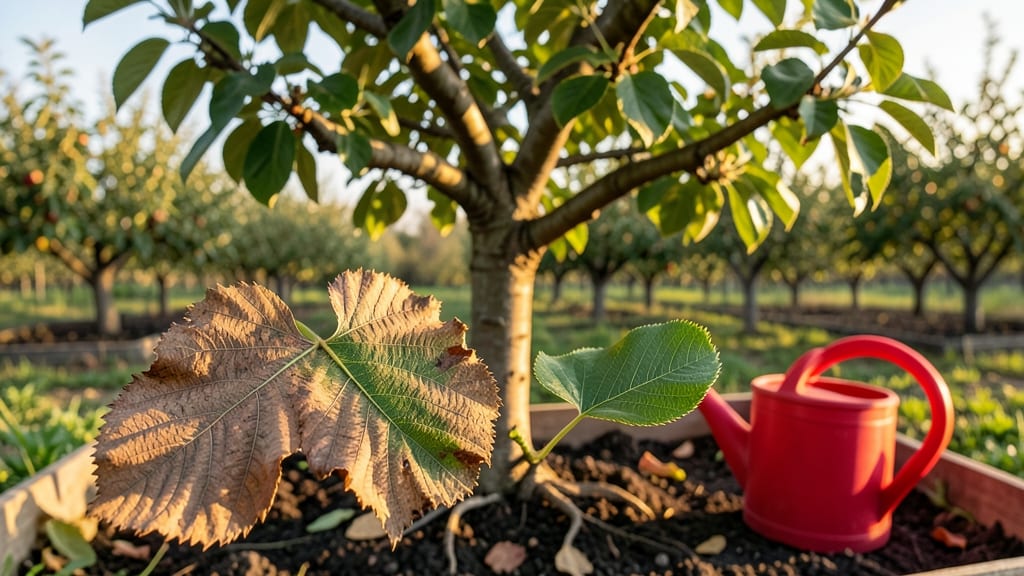
Your cherry tree’s crispy brown edges aren’t just unsightly—they’re a cry for help. 🌿 Leaf scorch turns vibrant foliage into brittle paper overnight, and copper spray is the fast fix that saves your tree before the damage spreads.
I’ve nursed back more than a few scorched trees using this method, and the results appear within days.
The root causes? Too much sun, inconsistent watering, or fungal infections like leaf spot. Copper spray tackles the fungal side while giving stressed leaves a chance to recover. You’ll need a basic sprayer, copper fungicide, and a calm evening to apply it—no fancy equipment, just a targeted approach.
The key is timing: treat at the first sign of browning, before the edges turn to dust.
Within a week, you’ll see new growth pushing out with healthy green edges. The tree stops looking like it’s suffering from thirst or disease and starts thriving again.
Prune any severely damaged leaves afterward to redirect energy to fresh growth, and you’ll have a tree that looks as vibrant as it did in spring.
This fix works for sweet, tart, and ornamental cherries alike, and it’s just as effective in backyard gardens as it is on large estate trees. The secret? Consistency—apply the spray every 7-14 days until new leaves emerge fully green. Now, let’s get that tree back to its best.
Root Causes Of Leaf Discoloration
Understanding why your cherry tree’s leaves develop those unsightly brown edges—often called leaf scorch—starts with identifying the underlying triggers. While the symptoms may look similar, the causes can vary widely, from environmental stress to microbial attacks. Below, we break down the most common reasons, explained in clear, actionable terms.
Cherry trees are resilient, but they have limits—especially when it comes to heat and water balance. Leaf scorch often appears when trees struggle to regulate moisture loss during hot, dry spells. Here’s how it happens:
- Transpiration Overload: When temperatures soar, cherry trees lose water rapidly through their leaves.
If roots can’t supply enough moisture to keep up, cells at the leaf edges (which have fewer protective structures) dry out first, causing browning and crisping. - Soil Moisture Deficit: Even if you water regularly, shallow or infrequent watering can leave roots thirsty.
Cherry trees need deep, consistent hydration, especially during flowering and fruit set. - Wind Exposure: Strong winds increase evaporation rates, exacerbating drought stress. Trees in exposed locations (like open yards or near buildings) are more vulnerable.
💡 Pro Tip: Mulch your tree’s base with 2–4 inches of organic mulch (like wood chips) to retain soil moisture and regulate temperature. Water deeply 1–2 times per week during droughts, ensuring the soil is moist 6 inches down.
Not all leaf scorch is drought-related—some cases stem from pathogenic invaders that disrupt the tree’s ability to transport water and nutrients. Two common culprits:
- Verticillium Wilt (Fungal): - How it spreads: The Verticillium fungus thrives in warm, dry soils and invades the tree’s xylem vessels, blocking water flow.
Infected leaves develop brown, necrotic edges while remaining attached to the tree. - Tell-tale signs: Wilting (even when soil is moist), yellowing between veins, and premature leaf drop. - Risk factors: Poor drainage, stressed trees, or nearby infected plants.
- Bacterial Leaf Scorch (BLS) (Bacterial): - How it spreads: Bacteria like Xylella fastidiosa clog the tree’s vascular system, starving leaves of water. Symptoms worsen in hot, dry conditions. - Tell-tale signs: Scorched leaf edges, stunted growth, and dieback (dead branches).
Unlike drought stress, BLS often affects one branch at a time before spreading.
⚠️ Warning: Fungal and bacterial infections are contagious and can spread to other trees. Prune infected branches early in the day (when bacteria are least active) and sterilize tools with 70% isopropyl alcohol.
Too much of a good thing can backfire. Overwatering or compacted, waterlogged soil suffocates roots, preventing them from absorbing oxygen and nutrients efficiently. Here’s the science:
- Root Asphyxiation: When soil stays soggy, roots drown from lack of oxygen, leading to root rot (often caused by Phytophthora fungi).
The tree can’t uptake water or nutrients, causing leaf edges to brown as a survival response. - Salt Buildup: Overwatering with tap water high in salts/minerals (common in urban areas) can create a hypertonic soil environment, forcing roots to work harder to absorb water—leading to stress and scorch. - Clay or Compacted Soil: If your tree sits in heavy clay, water pools around roots instead of draining away, creating the same oxygen-deprivation scenario.
🔧 Fix It: Test your soil’s drainage by digging a 12-inch hole and filling it with water. If it drains in less than 4 hours, your soil is fine. If it takes longer, amend with compost or sand to improve aeration. Water only when the top 2 inches of soil are dry.
Leaves act as the tree’s nutrient delivery system, and when key minerals are missing, they show it first—often at the edges. Two critical deficiencies trigger scorch:
- Potassium (K) Deficiency: - Role: Potassium regulates water movement and osmotic balance in cells.
Without enough, leaves lose water faster, leading to browning and curling edges. - Symptoms: Brown, papery edges (especially on older leaves), weak stems, and poor fruit development. - Solution: Apply a balanced fertilizer (10-10-10 or 5-10-10) in early spring, or use potassium sulfate for a quick boost.
- Calcium (Ca) Deficiency: - Role: Calcium strengthens cell walls, helping leaves retain moisture.
Low calcium = poor water retention and necrotic edges. - Symptoms: Corky, dead spots on leaves, blossom end rot (in fruit), and stunted growth. - Solution: Use lime (calcium carbonate) or gypsum (calcium sulfate) in early spring, especially if your soil is acidic.
📊 Test Your Soil: A simple home soil test kit (or lab analysis) can reveal deficiencies. Cherry trees thrive in slightly acidic to neutral soil (pH 6.0–7.0)—adjust with elemental sulfur (to lower pH) or lime (to raise it).
Sometimes, the problem isn’t the tree itself—but its surroundings. Airborne pollutants and chemical overspray can damage leaves directly:
- Ozone & Smog Damage:
- How it happens: Urban areas with high ozone levels (from vehicle exhaust) cause stomatal damage, leading to brown, fleck-like spots on leaf edges.
- Solution: If you’re in a polluted area, water trees deeply to help flush out toxins and avoid pruning during peak ozone hours (10 AM–4 PM).
- Herbicide or Pesticide Drift:
- How it happens: Glyphosate (Roundup) or other systemic herbicides can drift onto cherry trees, causing necrotic leaf edges within days.
- Solution: If you suspect drift, rinse leaves with water immediately and avoid applying herbicides near your tree during bloom or fruit set.
While not a direct cause of scorch, pests like spider mites, aphids, and scale insects weaken trees by sapping sap, which indirectly leads to water stress and browning:
- Spider Mites:
- Damage: These tiny pests pierce cells, causing yellow stippling that turns brown. Severe infestations lead to premature leaf drop.
- Fix: Spray with neem oil or horticultural oil in early spring before mites multiply.
- Aphids & Scale:
- Damage: They excrete honeydew, a sticky substance that fosters sooty mold (a black fungus), blocking sunlight and stressing the tree.
- Fix: Blast off pests with a strong water spray or use insecticidal soap.
While copper spray is not a cure-all, it’s a broad-spectrum tool that can help in several scorch scenarios:
- Fungal Control: Copper (as copper sulfate or hydroxide) disrupts fungal cell membranes, making it effective against Verticillium wilt and anthracnose.
- Bacterial Inhibition: It also weakens bacterial cell walls, slowing the spread of leaf scorch bacteria.
- Nutrient Boost: Copper is a micronutrient—trees with deficiencies may show improved health after treatment.
✨ Best Practice: Apply copper spray early in the season (late winter/early spring) before symptoms appear. Reapply every 2–4 weeks during wet or humid periods. Never use copper on stressed or drought-affected trees—it can worsen damage.
Final Note: If your cherry tree’s leaf scorch persists after addressing these causes, consider **consulting a local
Quick Fixes for Browning Leaves
Reviving your cherry tree’s vibrant green leaves starts with pinpointing the root cause of the scorch—and taking action fast. Below, we break down practical, step-by-step solutions tailored to the most common triggers, from fungal infections to environmental stress.
Each fix is designed to be easy to execute, even for gardening beginners, with prevention tips to keep your tree thriving long-term.
If brown, crispy edges or dark spots with yellow halos appear, fungi or bacteria are likely the culprits. Act now to stop the spread!
🍳 Apply Copper-Based Fungicide (The Fastest Fix)
Copper spray is a go-to remedy for bacterial leaf scorch and fungal infections. Here’s how: 1. Choose the right spray: Opt for a fixed copper fungicide (like copper sulfate or copper hydroxide) labeled for ornamental trees.
- Timing is key: Spray at dawn or dusk when humidity is high (fungi love moisture!).
- Full coverage: Use a hose-end sprayer or pump sprayer to coat both sides of leaves and stems. Don’t miss the undersides!
- Reapply every 7–14 days until new growth appears, then monthly for prevention.
> 💡 Pro Tip: Mix 1 tsp baking soda + 1 tbsp vegetable oil + 1 tsp dish soap per gallon of water as a low-cost alternative for mild cases. Shake well and spray directly on affected areas.
🌡️ Improve Airflow & Reduce Moisture
Fungi thrive in damp, crowded spaces. Prune aggressively to:
- Remove 20–30% of the canopy to open up the tree.
- Trim dead or overlapping branches (use sterilized pruners to avoid spreading spores).
- Space trees at least 10–15 feet apart if replanting.
✨ Boost Tree Immunity
- Fertilize lightly with a balanced 10-10-10 fertilizer in early spring to support recovery.
- Water at the base (not overhead) to keep foliage dry.
If leaves are dry, brittle, and brown along edges (but no spots or slimy residue), your tree is likely suffering from heat stress or sun scald.
👨🍳 Provide Shade & Hydration
- Temporary shade cloth: Drape 30–50% shade fabric over the tree for 2–4 weeks during peak sun (10 AM–4 PM).
- Deep watering: Water slowly at the drip line (not just the base) 2–3 times per week during heatwaves.
Aim for 1–2 inches of water per week. 3. Mulch heavily: Apply 3–4 inches of organic mulch (wood chips or straw) to retain moisture and cool roots.
🌱 Adjust Planting Location (Long-Term Fix)
- If your cherry tree is in a full-sun, exposed spot, consider relocating it to a morning sun/afternoon shade area.
- For young trees, use a windbreak (like a lattice fence) to reduce drying winds.
Yellowing leaves that curl and brown at the edges? Your tree might be drowning in soggy soil.
⏰ Check Soil & Adjust Watering
- Test drainage: Dig a 6-inch hole near the tree. Fill it with water—if it doesn’t drain within 4–6 hours, your soil is too compacted.
- Amend soil: Mix in compost or perlite to improve aeration.
- Water wisely: - Water deeply but infrequently (1–2 times per week, depending on climate). - Avoid wetting leaves—use a soaker hose at the base.
🔪 Prune Affected Branches
- Remove any branches with mushy brown bark (sign of root rot).
- Sterilize pruners with rubbing alcohol between cuts.
If leaves have stippled brown patches or a sticky residue, pests like spider mites or aphids may be feeding on your tree.
🕷️ Blast Off Pests Naturally
- Spray with neem oil: Mix 1 tbsp neem oil + 1 tsp mild soap per gallon of water. Spray every 5–7 days until pests vanish.
- Introduce beneficial insects: Ladybugs and lacewings devour aphids—buy them online or attract them with native plants like dill or yarrow.
- Hose down leaves: A strong spray of water (especially on undersides) dislodges mites and aphids.
🌿 Strengthen Tree Resilience
- Avoid over-fertilizing (weak trees attract more pests).
- Plant pest-repelling companions like garlic, marigolds, or chives nearby.
| Cause | Preventive Action | Frequency |
|---|---|---|
| Fungal infections | Copper spray + pruning | Monthly (spring–fall) |
| Heat stress | Mulch + shade cloth | Seasonal (summer) |
| Overwatering | Soil test + drip irrigation | Weekly (adjust as needed) |
| Pest infestations | Neem oil + companion planting | Biweekly (spring–fall) |
Final Thought: Most cases of leaf scorch are reversible with quick action! Start with copper spray for fungi, deep watering for heat stress, and neem oil for pests.
Monitor your tree’s progress, and soon, those crispy brown edges will fade—replaced by lush, healthy green leaves! 🌿✨
Frequently asked questions
Why do cherry tree leaves turn brown only at the edges?
Brown edges on cherry leaves usually signal water stress or nutrient deficiencies. When roots can't supply enough moisture (due to drought or poor soil), leaf edges dry out first since they have fewer protective cells. It can also indicate potassium or calcium deficiencies, which weaken the tree's ability to retain moisture. Check soil moisture and consider a balanced fertilizer if needed.
Can copper spray harm my cherry tree if I use too much?
Yes, overusing copper spray can cause leaf burn or root damage. Stick to the label instructions—typically every 7-14 days during active growth. Always apply in the early morning or evening when humidity is high, and avoid spraying when temperatures exceed 85°F. For sensitive trees, dilute the solution by half.
How can I tell if my cherry tree has a fungal infection vs. drought stress?
Fungal infections (like Verticillium wilt) often show dark spots with yellow halos or black veins, while drought stress causes uniform browning along edges without spots. Check the undersides of leaves for fungal spores or mushy brown bark near the base. Also, fungal issues spread to multiple branches, while drought stress usually affects the whole tree evenly.
Will pruning help my cherry tree recover from leaf scorch?
Pruning severely damaged leaves helps the tree redirect energy to new growth. Remove any branches with >50% brown leaves using sterilized tools (clean with rubbing alcohol between cuts). Focus on opening the canopy to improve airflow, which reduces humidity—fungi love damp conditions. Prune in late winter or early spring for best results.
Can I save my cherry tree if the scorch has spread to most of the leaves?
Don’t give up yet! While severe scorch is alarming, many trees recover with immediate action. Start with copper spray (for fungi/bacteria) and deep watering (for drought). If roots are healthy, new leaves will emerge within 4-6 weeks. For advanced cases, consult an arborist—they can assess root health and recommend targeted treatments like mycorrhizal fungi to boost recovery.