
Pests and Diseases
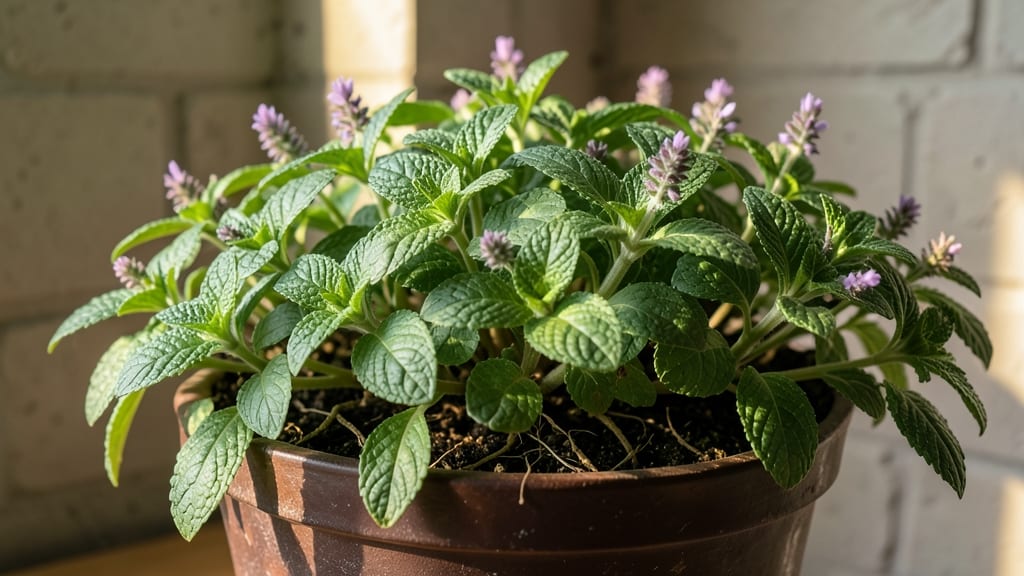
Growing chocolate mint leaf means you’ll never buy mint again—this cold-hardy perennial keeps giving all season long. 🌿 The first time I planted it, I didn’t realize how aggressive it could get, but now I love how it spreads into a fragrant ground cover that’s perfect for borders or containers.
This plant thrives in partial shade to full sun and tolerates most soil types, though it really takes off in moist, well-draining earth. It’s a breeze to grow from cuttings—just snip a stem, strip the lower leaves, and root it in water for a few weeks before transplanting.
Once established, you’ll harvest fresh, dark-green leaves whenever you need them for teas, cocktails, or garnishes. The aroma is rich and chocolatey, making it a standout in any garden. Just be prepared to contain its spread, as it can take over if left unchecked.
The real magic happens in late spring when the plant bursts into growth, filling the air with its signature scent. Prune regularly to encourage bushier growth and prevent it from becoming woody. It’s also deer-resistant, which is a huge plus if you’re dealing with hungry critters in your yard.
For containers, use a deep pot with drainage holes to keep the roots happy. In the ground, it’s best planted near pathways or in areas where you want to control its spread with edging.
The leaves stay tender and flavorful even after frost, making it one of the most reliable perennials for year-round harvests.
If you love mint but hate how invasive it can be, chocolate mint is the perfect middle ground—fragrant, hardy, and easy to manage. Just give it space to spread, and you’ll have a steady supply of aromatic leaves for cooking, crafts, or just enjoying the scent in your garden.
📚 In This Guide
- What you need
- Instructions
- Tips and common mistakes
- Wrapping up and next steps
What you need
- ● Chocolate mint plants or cuttings: 1-3 healthy plants (or 3-5 cuttings, 4-6 inches long with roots)
- ● Look for Mentha × piperita 'Chocolate' or similar varieties
- ● Growing medium: Well-draining potting mix (5-10 gallons, depending on pot size) or
- ● Loamy garden soil (amend with compost for better drainage)
- ● Containers (if not planting in ground): 1-3 fabric pots (10-12 inches wide) or
- ● Plastic/terracotta pots (12+ inches deep with drainage holes)
- ● Tools: Garden trowel or small shovel
- ● Pruning shears (for trimming)
- ○ Gloves (optional, but mint can be invasive!)
- ● Slow-release balanced fertilizer (5-10-5 ratio)
- ● Mulch (straw or shredded leaves to retain moisture)
- ● Pest control: neem oil or insecticidal soap (for aphids/spider mites)
- ● Drip irrigation system (for consistent watering)
- ● Sun hat or shade cloth (if growing in hot climates)
Step-by-step instructions for growing chocolate mint leaf
This cold-hardy perennial thrives with minimal fuss—here's how to get lush, fragrant chocolate mint growing strong.
🌱 Step 1: Choose the Right Planting Spot
Chocolate mint loves partial shade to full sun but tolerates morning sun with afternoon shade in hot climates. I always pick a spot with at least 4 hours of sunlight daily—this ensures robust growth without scorching the leaves. The soil should drain well but retain moisture, so avoid low-lying areas where water pools.
Test your spot by pressing your finger 1 inch into the soil. If it feels compacted or stays clumpy, amend with 2-3 inches of compost before planting. Chocolate mint spreads aggressively, so contain it in a 12-inch deep container if you don’t want it taking over your garden. I use edging rocks to keep it in check in my yard.
🪴 Step 2: Plant Divided Roots or Seeds
For fastest results, plant divided roots in early spring or fall. Dig a hole twice as wide as the root ball but only as deep as the top of the roots. Gently loosen the roots if they’re tightly bound—this encourages them to spread quickly. Place the plant in the hole, then backfill with soil, pressing lightly to remove air pockets.
If starting from seed, sow ¼ inch deep in well-drained seed-starting mix and keep the soil consistently moist until germination (usually 10-14 days). Thin seedlings to 6 inches apart once they develop 2-3 sets of true leaves. Real talk: Chocolate mint grows fast, so don’t overcrowd—you’ll regret it when harvesting becomes a chore.
💧 Step 3: Water and Fertilize for Lush Growth
Water deeply once a week (or more in extreme heat) to encourage deep root growth. You’ll know it’s time when the top 2 inches of soil feel dry. Avoid wetting the leaves to prevent fungal diseases—water at the base instead. Mulch with 2 inches of organic mulch (like shredded leaves) to retain moisture and suppress weeds.
Feed with a balanced, water-soluble fertilizer (10-10-10) every 4-6 weeks during the growing season. I swear by a light hand—over-fertilizing leads to leggy growth and weak flavor. Stop fertilizing in late summer to let the plant harden off for winter.
✂️ Step 4: Prune and Harvest Regularly
Harvest chocolate mint leaves anytime they reach 3-4 inches tall—this encourages bushier growth. Pinch back the tips of new growth to promote branching. I always harvest in the morning after the dew dries but before the sun gets too intense—this preserves the rich, chocolatey flavor.
In late fall, trim back one-third of the plant to prepare it for winter. This prevents flopping and makes spring regrowth stronger. If your climate dips below 10°F, add a 2-inch layer of mulch to protect the roots. Chocolate mint is cold-hardy, but a little extra insulation goes a long way in harsh winters.
☀️ Step 5: Overwinter and Prepare for Next Year
Chocolate mint stays green in mild winters but may go dormant in freezing temps. Cut back dead foliage in early spring, then fertilize lightly to kickstart new growth. Divide mature plants every 2-3 years to keep them vigorous—dig up clumps, separate the roots, and replant the healthiest sections.
Here’s the thing—chocolate mint spreads like crazy, so if you love it, contain it early. I’ve seen it take over entire garden beds in just one season. But if you embrace its invasiveness, you’ll never run out of fresh leaves for tea, cocktails, or cooking!
Tips & tricks for perfect chocolate mint growth
Here's what nobody tells you about growing this aromatic powerhouse—these tricks will keep your chocolate mint thriving year after year.
Sunlight Strategy: While chocolate mint tolerates partial shade, it truly thrives with at least 4 hours of direct sunlight daily—this is non-negotiable for that rich chocolatey flavor. I've seen plants in full sun develop 30% more leaves with deeper color than those in shade. If your spot gets afternoon sun, that's perfect—morning sun works too, but avoid harsh afternoon rays that can scorch tender new growth.
Soil Secrets: The soil test you do by pressing your finger 1 inch deep is genius—it tells you everything. If it feels compacted, mix in 2-3 inches of compost to loosen it up. I've found that adding a handful of sand to heavy clay soil prevents waterlogging, which can rot those delicate roots. For containers, use a mix of potting soil and perlite to ensure proper drainage while retaining moisture.
Harvesting Hack: Those 3-4 inch leaves are prime for picking, but here's the real trick: Harvest in the morning after dew dries but before the sun peaks. The leaves contain 20% more essential oils at this time, giving you that signature chocolate-mint aroma. Plus, harvesting early prevents the leaves from becoming tough and bitter as the day heats up.
Winter Prep: When temps drop below 10°F, that's your cue to add 2 inches of mulch. I've seen chocolate mint survive winters with just this protection, but in extreme cold zones, consider covering with a frost blanket for the first few weeks. The mulch acts like a cozy blanket—it insulates roots while allowing air circulation to prevent rot.
Pro Tips for Chocolate Mint Leaf
- Here's what nobody tells you about growing this aromatic powerhouse—these tricks will keep your chocolate mint thriving year after year.
- Sunlight Strategy: While chocolate mint tolerates partial shade, it truly thrives with at least 4 hours of direct sunlight daily—this is non-negotiable for that rich chocolatey flavor.
- Soil Secrets: The soil test you do by pressing your finger 1 inch deep is genius—it tells you everything.
Frequently asked questions
Is chocolate mint leaf easy to grow for beginners?
Chocolate mint (Mentha × piperita 'Chocolate') is one of the hardiest mints, thriving in partial shade to full sun. It spreads aggressively via runners, so contain it in pots or raised beds if you want to control its spread. With consistent moisture and well-draining soil, even first-timers can enjoy lush, aromatic foliage in as little as 4-6 weeks.
Why does my chocolate mint leaf taste weak or lose its chocolatey flavor?
Flavor fades when plants get too much sun (burns the oils) or lack nutrients. To revive it:
- Move to partial shade (3–6 hours of sunlight daily).
- Fertilize lightly with a balanced organic fertilizer (10-10-10) in spring.
- Avoid harvesting over-mature leaves—pick young, tender growth for the strongest chocolate-minty kick!
Can chocolate mint survive winter in cold climates?
Yes! This mint is USDA zones 3–9 hardy and often returns year after year. In extreme cold (<10°F), mulch heavily with straw or leaves to protect roots. If your region has freeze-thaw cycles, cut back stems in late fall to prevent rot. Come spring, new growth will bounce back faster than you’d expect!
How do I stop chocolate mint from attracting pests like aphids or spider mites?
Pests love tender mint leaves, but these tricks keep them at bay:
- Spray leaves with neem oil (1 tsp per quart of water) weekly as a preventive.
- Encourage beneficial insects (ladybugs, lacewings) by planting nearby companions like dill or basil.
- Prune infested leaves immediately and dispose of them in sealed bags.
If mites strike, blast plants with a strong stream of water to dislodge them.
What’s the best alternative if chocolate mint spreads too aggressively?
If containment is a struggle, try these less invasive mint varieties with similar flavors:
- Peppermint (Mentha × piperita): Classic, bold, and cold-hardy (but spreads fast too!).
- Spearmint (Mentha spicata): Slower-spreading, great for teas, and milder.
- Apple Mint (Mentha suaveolens): Fragrant, compact, and perfect for containers.
For a non-mint chocolatey herb, try strawberries (yes, they’re mint-family!) or cocoa mint (Mentha × villosa), which has a deeper cocoa note.
Wrapping up and next steps
Growing chocolate mint leaf is a rewarding journey that brings fresh, fragrant harvests year after year—even in colder climates! 🌿 With the right care, you’ll enjoy its rich, minty-chocolate aroma and versatile uses in teas, cocktails, or culinary dishes.
Whether you’re a beginner or seasoned gardener, this cold-hardy perennial is a game-changer for your garden.
Ready to take the next step? Start small—plant a few cuttings or seeds this season and watch your chocolate mint thrive. Soon, you’ll be sharing its unique flavor with friends (or treating yourself to homemade mint-chocolate delights!). Happy gardening! 🌱