
Pests and Diseases
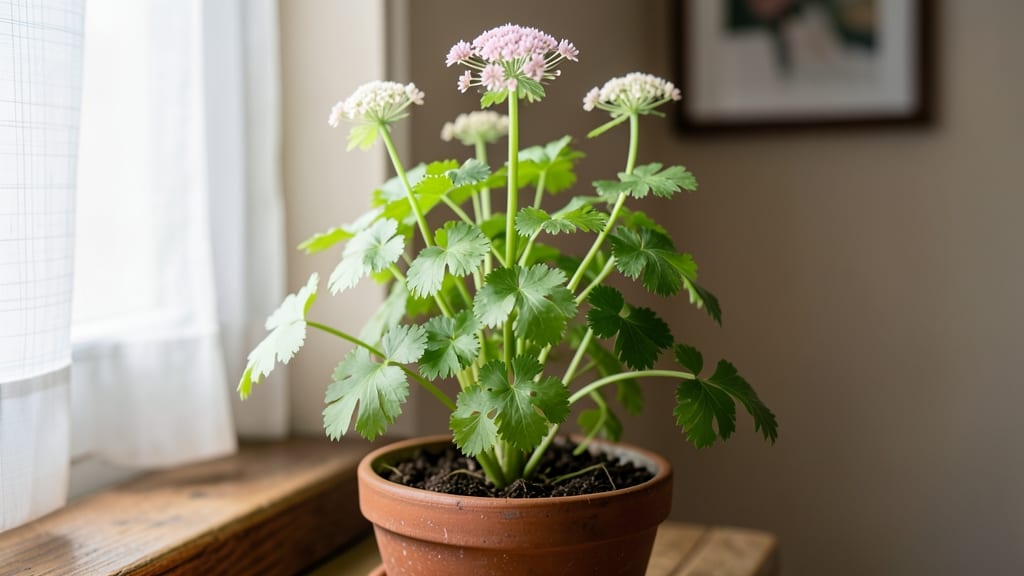
The cilantro leaf shape isn’t just pretty—it’s the key to flavor and productivity. 🌿 The delicate, fern-like leaves of true cilantro (Coriandrum sativum) transform into broad, flat leaves when it bolts, but pruning keeps those perfect fronds coming all season long.
I've learned the hard way that ignoring leaf shape means sacrificing both harvest and taste.
Young cilantro leaves start out rounded and soft, but within weeks they develop the signature three-lobed, feathery shape that makes it unmistakable. Compare it to dill (slender, saw-toothed) or parsley (flat, flat-stemmed), and you'll spot the differences instantly.
Healthy leaves stay vibrant green with a slight waxy coating, while stressed plants develop yellow edges or curled fronds—clear signs you're overwatering or underwatering.
Pruning at the right time turns this delicate plant into a flavor powerhouse. Snip just above the third set of leaves when stems reach 6-8 inches tall, and you'll encourage bushier growth with more of those prized lacy leaves.
The secret? Consistent harvesting keeps cilantro producing those perfect fronds instead of bolting into bitter, flat-leafed flowers.
This works equally well in containers or garden beds, though container cilantro needs slightly more frequent watering to maintain that crisp texture. Once you master the leaf shape cues, you'll know exactly when to harvest for the best flavor—and when to pull back before bolting steals your harvest.
📚 In This Guide
- What you need
- Instructions
- Tips and common mistakes
- Wrapping up and next steps
What you need
- ● Fresh cilantro plants – Choose healthy, mature plants (6–8 weeks old) with visible leaf growth.
- ● Sharp pruning shears – Must be clean and sterilized (rubbing alcohol works!) to prevent disease. Avoid dull scissors—they crush stems.
- ○ Gloves (optional but recommended) – Protects hands from sap and dirt. Nitrile or cotton gardening gloves are ideal.
- ● Small spray bottle – Fill with water to mist leaves post-pruning (encourages recovery).
- ○ Pruning guide or ruler – Helps maintain consistent leaf shape (optional but helpful for precision).
- ● Sunlight access – Ensure your cilantro gets 4–6 hours of sunlight daily (partial shade works too).
- ● Well-draining soil – Mix potting soil with perlite or sand (1:1 ratio) if growing in containers.
- ● Watering routine – Keep soil consistently moist but not soggy. Drought stress = leggy, ugly leaves!
- ● Patience – Pruning takes 2–3 weeks to show full lacy results. Stick with it!
- ● Plant food – A balanced liquid fertilizer (e.g., 10-10-10) to boost regrowth after pruning.
- ● Grow lights – If indoors, use LED grow lights (12–16 hours/day) for optimal growth.
- ● Journal or camera – Track progress with photos or notes for future reference!
Step-by-Step pruning guide for perfect cilantro leaf shape
Here’s how I transform cilantro from scraggly to perfectly lacy—no guesswork, just proven pruning techniques.
✂️ Step 1: Identify and Prune the Right Leaves
Cilantro’s signature fern-like leaves develop when you prune the outer, mature leaves first. These are the largest and most established, signaling the plant to redirect energy toward new, tender growth. Avoid cutting into the central stem—this is where the plant’s vigor originates. Instead, snip just above a leaf node (the point where leaves attach to the stem) using clean, sharp scissors.
Look for leaves that are fully developed but not yet flowering—these are prime candidates. Cutting them encourages the plant to produce more side shoots, each with its own set of delicate, lacy foliage. I like to harvest one-third of the plant’s foliage at a time, leaving enough leaves to keep photosynthesis running smoothly. This balance ensures you get continuous harvests without stressing the plant.
🌿 Step 2: Encourage Bushier Growth Through Strategic Cuts
The secret to dense, lacy cilantro lies in pinching back the plant’s natural tendency to bolt. When cilantro senses it’s being harvested, it shifts focus from flowering to leaf production. Start by snipping the top 2-3 inches of the main stem just above a set of leaves. This forces the plant to branch out, creating a fuller, bushier structure with more harvestable foliage.
Watch for new side shoots emerging within 5-7 days—these are your signal that the pruning worked. If you notice the plant starting to send up tall flower stalks, you’ve waited too long. Cilantro bolts quickly in heat, so prune aggressively in early spring or fall when temperatures stay below 75°F. In warmer climates, grow cilantro in partial shade and prune every 1-2 weeks to delay bolting.
💧 Step 3: Water and Fertilize for Optimal Leaf Development
After pruning, cilantro needs consistent moisture to recover and produce new growth. Water deeply at the base—avoid wetting the leaves, as this can lead to fungal issues like powdery mildew. The soil should stay evenly moist but not soggy; cilantro roots are shallow and sensitive to waterlogging. I check moisture by sticking my finger 1 inch into the soil—if it feels dry, it’s time to water.
Feed the plant with a balanced, water-soluble fertilizer (like 10-10-10) diluted to half strength every 2-3 weeks. This gives cilantro the nutrients it needs to rebound quickly after pruning. Avoid over-fertilizing, though—too much nitrogen leads to leafy but bitter growth. The goal is tender, aromatic leaves, not rapid but coarse foliage.
☀️ Step 4: Adjust Light for Lacy, Not Leggy, Growth
Cilantro thrives in partial shade, especially in hot climates where full sun causes it to bolt prematurely. If your plant starts growing tall and leggy, it’s not getting enough light—but too much direct sun does the same damage. Position cilantro in a spot with 4-6 hours of morning sun and dappled afternoon shade. If growing indoors, place it near a bright, east-facing window or under grow lights for 12-14 hours daily.
Leggy growth is a red flag—rotate the pot weekly so the plant grows upright rather than stretching toward the light. Once you see compact, bushy growth with tightly curled leaves, you’ve nailed the light balance. This is when cilantro’s true lacy texture emerges, making it perfect for garnishes and fresh salads.
⏰ Step 5: Harvest Regularly to Maintain Leaf Shape
The key to permanent lacy foliage is frequent, light harvesting. Instead of waiting for the plant to get large, snip a few leaves at a time as soon as they reach 2-3 inches long. This keeps the plant busy producing new growth rather than letting it mature into tough, bitter leaves. I harvest every 5-7 days during peak growing season, always cutting just above a leaf node to encourage branching.
If you see flower buds forming, act fast—cilantro’s leaves become bitter and tough once it bolts. Pinch off flower stalks immediately to redirect energy back into leaf production. With consistent pruning, your cilantro will stay lush, lacy, and ready for harvest for weeks longer than unpruned plants. This method ensures you’re always getting fresh, tender leaves for your kitchen.
Tips & tricks for perfect cilantro leaf shape
A few strategic tweaks can transform your cilantro from scraggly to showstopping lacy foliage—let me show you how.
Pruning Precision: When you're cutting those outer leaves in Step 1, focus on removing entire leaf clusters rather than individual leaves. This encourages the plant to produce more side shoots with that signature delicate, fern-like shape. I find using small, sharp kitchen shears works better than scissors—they give cleaner cuts that heal faster. The key is to always cut just above a leaf node, never into the stem itself, or you'll stunt new growth.
Bolt Prevention: The 5-7 day window mentioned in Step 2 is your best defense against bolting. If you notice flower stalks forming, act immediately by pinching them off at the base. This redirection of energy back into leaf production can extend your harvest by weeks. In warmer climates where temperatures exceed 75°F, consider growing cilantro in containers so you can move it to shaded spots during peak afternoon heat.
Light Management: That 4-6 hours of morning sun in Step 4 is crucial for preventing leggy growth. If your cilantro starts stretching toward light, it's either not getting enough or needs to be rotated. I've found that placing pots on a lazy Susan makes weekly rotation effortless. For indoor growers, supplement with grow lights for 12-14 hours daily—just keep them 6-12 inches above the plant to avoid burning the leaves.
Fertilizer Timing: The 2-3 week interval for fertilizer in Step 3 is perfect, but here's what nobody tells you: always fertilize after pruning, not before. This gives the plant nutrients to recover from the stress of cutting. I've seen cilantro grow bitter when over-fertilized, so stick to that half-strength dilution—more isn't better when it comes to this herb.
Pro Tips for Cilantro Leaf Shape
- A few strategic tweaks can transform your cilantro from scraggly to showstopping lacy foliage—let me show you how.
- Pruning Precision: When you're cutting those outer leaves in Step 1, focus on removing entire leaf clusters rather than individual leaves.
- Bolt Prevention: The 5-7 day window mentioned in Step 2 is your best defense against bolting.
Frequently asked questions
Why does my cilantro have jagged or irregular leaf shapes?
Jagged or irregular leaf shapes in cilantro are often caused by herbicide drift (if grown near treated lawns), nutrient deficiencies (like nitrogen or magnesium), or pest damage (e.g., aphids or spider mites). Check soil pH (ideal: 6.2–6.8) and fertilize lightly with compost. If pests are the issue, rinse leaves with water or use neem oil.
How often should I prune cilantro for lacy leaves?
Prune cilantro every 2–3 weeks to encourage bushier, lacy growth. Avoid cutting more than 1/3 of the plant at once—this prevents stress. Focus on the outer leaves first, then trim leggy stems to redirect energy to new, vibrant foliage. Pro tip: Morning pruning reduces stress on the plant.
Can I use cilantro stems after pruning for regrowth?
After pruning, save the stems (4–6 inches long) and place them in water for 1–2 weeks to root. Once roots form, transplant them into soil. This extends your harvest and gives you multiple plants from one! Just avoid overcrowding—space them 6–8 inches apart.
What’s the best alternative if my cilantro bolts before lacy leaves develop?
If cilantro bolts (sends up flowers), try these heat-tolerant alternatives with similar flavors:
Yellowing leaves aren’t directly tied to shape but often signal overwatering or root rot. Let soil dry slightly between waterings (1 inch of water per week). If roots look mushy, repot in fresh, well-draining soil. Yellow edges may indicate chlorosis—test soil pH and add iron supplements if needed.
For cilantro, succession plant every 2 weeks in warm climates to ensure a continuous harvest.
My cilantro leaves are yellowing—is it a leaf shape issue?
Wrapping up and next steps
Mastering the art of pruning cilantro for that lacy, vibrant foliage isn’t just about aesthetics—it’s about keeping your plant healthy and productive! 🌿 With the right tools, timing, and techniques, you can transform your cilantro from scraggly to stunning. Remember: regular trimming encourages bushier growth, while proper spacing prevents disease.
Ready to level up your herb game? Grab your pruners, head outdoors, and give your cilantro the TLC it deserves. Next up: experiment with companion planting to repel pests naturally and keep your garden thriving all season long!