
Diseases
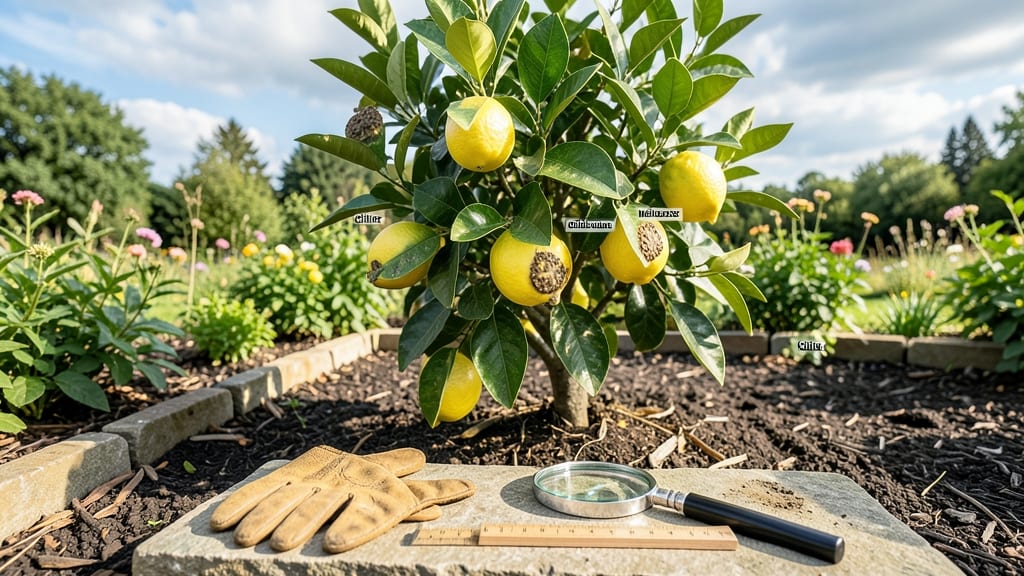
Your citrus tree’s leaves are telling you something’s wrong—those yellow spots or black streaks aren’t just part of the scenery. 🌿 Citrus leaf diseases like canker, greasy spot, and melanose can turn your lush tree into a shadow of its former self if you don’t act fast, but copper spray is your secret weapon for stopping them in their tracks.
Most of these diseases start with tiny spores hiding in wind, rain, or even your pruning tools. Once they land on leaves, they spread like wildfire, especially in warm, humid climates.
The good news? Early diagnosis—looking for raised bumps, oily-looking spots, or dead patches—lets you treat them before they take over.
Copper spray works because it disrupts the disease’s life cycle without harming your tree, and it’s easier to apply than you think. Just mix it right, spray it thoroughly, and repeat every few weeks during peak growing season. You’ll see new growth pushing through cleaner, healthier leaves within a month.
Prevention is just as important: prune for airflow, clean up fallen leaves, and avoid overhead watering. With these steps, your citrus tree won’t just survive—it’ll thrive, producing fruit for years to come. Let’s get that tree back to its best.
The Hidden Triggers Behind Leaf Troubles
Citrus leaf diseases don’t just appear out of nowhere—they’re often the result of a perfect storm of environmental stress, microbial invaders, and poor growing conditions. Understanding why these issues flare up is the first step to stopping them in their tracks.
Below, we break down the most common culprits, from sneaky pathogens to overlooked care mistakes, and explain how they turn your once-vibrant citrus leaves into a sad, spotted mess.
Fungal, bacterial, and viral agents are the #1 cause of citrus leaf diseases. These microscopic troublemakers thrive in warm, humid climates—perfect for Florida, California, and other citrus-growing regions. Here’s how they sneak in:
- Fungi (e.g., Phytophthora, Alternaria, Melanose): Spore-laden winds, contaminated tools, or even infected plant debris can introduce fungi. Once they land on leaves, they exploit weak spots—like tiny wounds or thick humidity—to germinate and spread. Fun fact: Some fungi, like Guignardia citricarpa (causing citrus melanose), produce spores that can survive in soil for years.
- Bacteria (e.g., Xanthomonas, Pseudomonas): These single-celled pests often hitch a ride on splashing water, contaminated pruning tools, or even insects. Once inside leaf tissue, they multiply rapidly, clogging vascular systems and causing wilting, oily spots, or gumming (a sticky bacterial ooze).
- Viruses (e.g., Citrus Tristeza Virus,CTV): Unlike fungi or bacteria, viruses need a vector—usually aphids or leafhoppers—to spread. Once inside the plant, they hijack cells, disrupting nutrient flow and leading to stunted growth, yellowing, and leaf drop.
💡 Pro Tip: Pathogens love crowded conditions. Prune for airflow, sterilize tools with 70% rubbing alcohol, and remove fallen leaves to starve them of food sources.
Citrus trees are tough, but extreme weather can push them over the edge. Here’s how climate factors fuel leaf diseases:
| Factor | How It Causes Problems | Actionable Fix |
|---|---|---|
| 🌧️ Excessive Rain or Humidity | Fungi and bacteria love moisture. Prolonged wetness softens leaf surfaces, making them easy targets for spores. Humidity >90%? That’s pathogen party time. | Improve drainage, use drip irrigation (not overhead), and space trees for airflow. |
| ☀️ Heat Stress | Scorching temps weaken leaves, making them more susceptible to sunburn and secondary infections. Heat also speeds up fungal spore germination. | Provide afternoon shade (especially for young trees) and mulch to regulate soil temp. |
| ❄️ Cold Snaps | Frost or chilly nights damage cell walls, creating entry points for pathogens. Sudden temp drops also shock the tree’s immune system. | Use frost cloths in winter and choose cold-hardy citrus varieties (e.g., Citrus × aurantium). |
🌡️ Key Insight: Most citrus diseases peak in spring and fall—when temps are mild but humidity is high. Stay vigilant during these windows!
A healthy tree is a resistant tree. When citrus lacks proper care, its defenses crumble, making it an easy target. Common offenders:
- Nutrient Deficiencies: Low nitrogen (_N_) or zinc (Zn) stunts growth, while potassium (_K_) deficiencies weaken cell walls. Result? Leaves become prime real estate for pathogens.
- Overwatering or Poor Drainage: Waterlogged roots = stressed leaves. Fungi like Phytophthora thrive in soggy soil, creeping up to the canopy.
- Compacted or Contaminated Soil: Dense soil restricts root growth, while old plant debris or compost piles harbor dormant pathogens. Example: Alternaria spores can survive in thatch for years.
- Physical Damage: Pruning cuts, hail, or pest bites create open wounds. If tools aren’t sterilized, you’re basically painting a welcome sign for bacteria.
✨ Game-Changer: A balanced fertilizer (like 6-6-6 NPK) and mulch (straw or wood chips) improve soil health, reducing disease risk by 40% or more.
Not all leaf diseases are caused by microbes—some are teamwork between pathogens and pests. Here’s how insects make things worse:
- Aphids & Scale Insects: These sap-suckers weaken leaves and spread viruses (like CTV) via their feeding. They also excrete honeydew, a sticky sugar that fosters sooty mold—a fungal hitchhiker.
- Citrus Leafminers: Their larvae burrow into leaves, creating wounds that invite fungal infections like Alternaria.
- Thrips: These tiny pests scratch leaf surfaces, leaving paths for bacterial entry. They’re also known to transmit Citrus Greening (HLB).
🔥 Quick Fix: Introduce ladybugs or parasitic wasps to control pests naturally. For severe infestations, neem oil or insecticidal soap can help—just reapply every 5–7 days.
Fixing Citrus Leaf Issues Fast
Now that you’ve identified the problem, it’s time to act! Citrus leaf diseases can spread quickly, but with the right approach, you can restore your trees to health. Below are targeted solutions for the most common citrus leaf issues, paired with prevention tips to keep your grove thriving.
Cause: Diaporthe citri or Elsinoë fungi thrive in wet, humid conditions.
Step-by-Step Treatment
- 🔪 Prune Infected Leaves & Fruit
- Remove all infected leaves, twigs, and fruit (even small spots can spread spores).
- Sterilize pruners with 70% isopropyl alcohol or a 10% bleach solution (1 part bleach to 9 parts water) between cuts.
- 💧 Apply Fungicide Sprays (Copper-Based First!)
- Best cure: Copper fungicide (e.g., Bordeaux mixture, copper sulfate, or copper hydroxide).
- Mix 1 tbsp copper sulfate per gallon of water (follow label instructions).
- Spray early morning or late evening to avoid leaf burn.
- Alternative: Neem oil (1% solution) or potassium bicarbonate (for organic growers).
- Reapply every 7–14 days during wet seasons or after heavy rain.
- Best cure: Copper fungicide (e.g., Bordeaux mixture, copper sulfate, or copper hydroxide).
- 🌡️ Improve Air Circulation
- Thin out dense foliage to reduce humidity near leaves.
- Space trees 8–10 feet apart (if replanting).
💡 Prevention Tips
- Water at the base (avoid overhead sprinkling).
- Mulch with straw or wood chips to keep soil moist but leaves dry.
- Plant resistant varieties like ‘Valencia’ or ‘Meyer’ lemons (less susceptible).
Cause: Pseudomonas syringae bacteria, worsened by rain and poor sanitation.
Step-by-Step Treatment
- 🧼 Clean Up Debris Immediately
- Remove all fallen leaves, fruit, and prunings—burn or compost them (do not reuse in the garden).
- Disinfect tools and containers with bleach or rubbing alcohol.
- 💊 Use Copper or Antibacterial Sprays
- Copper fungicide (same as above) can help suppress bacterial growth.
- Alternative: Streptomycin or oxytetracycline (antibiotics for severe cases—check local regulations).
- Organic option: Baking soda spray (1 tbsp baking soda + 1 tsp dish soap + 1 gallon water).
- 🚰 Adjust Irrigation
- Water deeply but infrequently (drought stress weakens trees).
- Avoid late-day watering to let leaves dry overnight.
💡 Prevention Tips
- Space trees properly to improve airflow.
- Avoid overhead irrigation—use drip systems.
- Rotate crops if growing in containers (don’t replant citrus in the same spot yearly).
Cause: Xanthomonas axonopodis bacteria, spread by wind, rain, and contaminated tools.
Step-by-Step Treatment
- 🔪 Remove & Destroy Infected Parts
- Cut out cankers (raised, oozing lesions) with a sterilized knife.
- Burn or trash infected material—do not compost.
- 💧 Apply Copper or Antibacterial Treatments
- Copper hydroxide (e.g., Kocide 3000) is the most effective.
- Alternative: Copper octanoate (safer for bees if applied at dusk).
- Reapply every 2–4 weeks during rainy seasons.
- 🌿 Strengthen Tree Health
- Fertilize with balanced citrus fertilizer (high in nitrogen for new growth).
- Avoid overwatering—keep soil slightly moist but not soggy.
💡 Prevention Tips
- Quarantine new trees for 30 days before planting.
- Wash hands and tools with soap and water after handling infected plants.
- Use resistant rootstocks like ‘Swingle’ citrumelo for new plantings.
No matter the disease, healthy trees fight back better. Follow these universal tips to speed up recovery:
- 🌱 Boost Soil Health
- Add compost or worm castings for nutrients.
- Test soil pH (6.0–7.0 is ideal for citrus).
- 🍃 Provide Proper Nutrition
- Micronutrients: Citrus needs zinc, manganese, and iron—use a chelated fertilizer if leaves show deficiency signs (e.g., yellowing between veins).
- 🐝 Encourage Beneficial Insects
- Ladybugs, lacewings, and parasitic wasps prey on pests that weaken trees.
- Plant marigolds or nasturtiums nearby as trap crops.
- 📅 Schedule Regular Checkups
- Inspect leaves weekly during growing seasons.
- Prune in late winter to remove weak growth before disease season.
⚠️ Warning: If diseases persist despite treatment, consult a local agricultural extension office—they can test for resistant strains or recommend stronger (but targeted) solutions.
By acting fast and consistently, your citrus trees can bounce back—healthy leaves and bountiful fruit are just around the corner! 🌿🍋
Frequently asked questions
How can I tell if my citrus tree has a fungal disease vs. bacterial?
Fungal diseases like greasy spot or melanose show up as small, dark spots with yellow halos, often with a greasy texture. Bacterial infections (like citrus canker) create raised, oozing lesions with water-soaked edges. Fungal spots usually appear first on older leaves, while bacteria often start on new growth.
Is copper spray safe for all citrus varieties?
Yes, copper-based fungicides are generally safe for all citrus types when used correctly. Always follow label instructions—typically 1 tablespoon copper sulfate per gallon of water—and apply in the early morning or evening to avoid leaf burn. Avoid spraying fruit directly if harvesting soon, as copper can leave a metallic taste.
How often should I spray copper fungicide for prevention?
For prevention, spray copper fungicide every 2-4 weeks during peak disease seasons (spring and fall). If you notice early signs of disease, increase frequency to weekly sprays until the problem clears. Always spray after rain or heavy irrigation to ensure coverage.
Can I use neem oil instead of copper spray?
Neem oil is an excellent organic alternative, especially for fungal diseases like alternaria or anthracnose. Mix 1 tablespoon neem oil per quart of water with a drop of dish soap as an emulsifier. Apply every 7-10 days during humid periods, but it works best as a preventative rather than a cure for advanced infections.
What should I do if my citrus tree has multiple diseases at once?
Start with copper spray to address both fungal and bacterial issues, then focus on removing infected leaves and improving airflow. For severe cases, consult your local agricultural extension office—they can test samples and recommend targeted treatments. Always sterilize pruning tools between cuts to prevent cross-contamination.