
Pests and Diseases
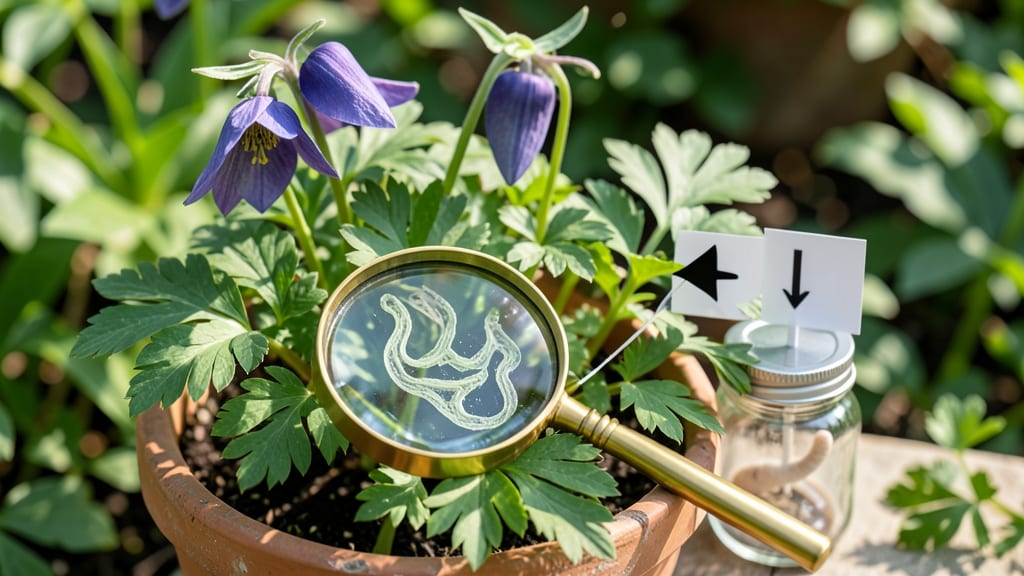
Columbine leaf miner turns your beautiful foliage into a skeleton of brown veins in just weeks. 🌿 I’ve watched my prized columbines go from lush to lifeless when these tiny pests strike, but the right organic spray can bring them back to life—fast.
The key is acting before the damage spreads, and I’ll show you exactly how.
These pests start as tiny white larvae that tunnel through leaves, leaving behind a telltale web of silvery trails. By the time you spot the damage, they’re already halfway through their life cycle.
The good news? A simple neem oil or insecticidal soap spray disrupts their feeding patterns within 24 hours, and your plant starts healing almost immediately.
You’ll see new growth within 7-10 days if you catch it early, with leaves regaining their vibrant green color and strength. The spray isn’t just effective—it’s safe for pollinators once dry, so you won’t harm bees or butterflies while saving your columbines.
For long-term protection, I’ve found that removing heavily infested leaves and applying the spray every 7-10 days keeps miners from returning. Even if they do, your plants will bounce back—healthier than ever—with the right care.
Root Causes of Leaf Damage
Understanding why these tiny pests target your columbines starts with unraveling their life cycle and environmental triggers. Here’s a breakdown of the key factors that make your plants vulnerable:
Columbine leaf miners thrive when plants are stressed or compromised. Here’s why this happens:
- Nutrient Deficiencies 📉 Columbines deprived of essential nutrients—especially nitrogen, phosphorus, or potassium—become easier targets. Weak foliage lacks the resilience to fend off larvae, which burrow into leaves with ease.
- Poor Soil Health 🌿 Compacted, waterlogged, or overly dry soil restricts root growth, weakening the plant’s immune response. Leaf miners exploit this vulnerability, as stressed plants emit signals that attract egg-laying adults.
- Overcrowding 🏢 When columbines grow too close together, airflow is restricted, and humidity rises. This creates a cozy environment for miners, while crowded plants compete for resources, further lowering their defenses.
The timing of miner activity is critical—and often predictable. Here’s how it plays out:
- Seasonal Peaks ⏳ Leaf miners are most active in late spring to early summer, aligning with new leaf growth. Females lay eggs on undersides of leaves, and larvae hatch just as tender young foliage emerges—perfect for tunneling.
- Overwintering Survival ❄️ Adult miners often overwinter in garden debris or soil, emerging in spring when conditions warm. If your garden has leftover plant residue or untreated mulch, you’re providing a cozy shelter for them to rebound.
- Host Plant Preference 🌸 Columbines are a favorite host due to their soft, tender leaves. Unlike tougher plants, their delicate foliage offers minimal resistance to larval feeding.
Weather and microclimates in your garden can turn a minor infestation into a full-blown outbreak:
- High Humidity 💦 Moist conditions slow leaf drying, keeping larvae hydrated and active. Overhead watering (especially in the evening) can worsen the problem by creating a damp, miner-friendly environment.
- Mild Winters ❄️🔥 Regions with short, mild winters allow miners to survive longer, leading to larger populations the following season. If your area rarely drops below freezing, expect persistent activity.
- Lack of Natural Predators 🦋 Healthy gardens teem with parasitic wasps, birds, and beneficial insects that prey on leaf miners. But if your soil is depleted or pesticides have been used, these natural controls disappear, leaving miners unchecked.
Pro Tip: 💡 Monitor your columbines in early spring for tiny white eggs or serpentine trails in leaves—early detection is your best defense!
Quick Fixes for Wormy Leaves
Tiny, serpentine trails in your columbine leaves? Those sneaky leaf miners (likely Phytomyza or Liriomyza larvae) are tunneling through your plants, leaving behind a mess of damaged foliage. But don’t panic—these pests are manageable with the right approach!
Below, we’ll break down targeted solutions based on the root cause of your problem, from early intervention to long-term prevention.
The sooner you act, the less damage those larvae can do. If you spot blotchy, brown, or silvery trails on the undersides of leaves, take action fast.
🍳 Scrape Out the Larvae (Manual Removal) For light infestations, a hands-on approach works best:
- Gather your tools: A sharp knife, tweezers, or even a spoon.
- Inspect leaves: Flip over affected foliage and look for tiny white or yellow larvae or their telltale tunnels.
- Prune and scrape: Use your knife to slice open the tunnels and remove the larvae.
Drop them into soapy water to kill them. - Dispose of damaged leaves: Toss heavily infested leaves in the trash (not compost).
✨ Pro Tip: Do this on a cool, cloudy day—larvae are less active and easier to spot!
If the infestation is spreading, organic sprays can help suffocate larvae and deter adults. Here are the top 3 DIY remedies:
| Spray Solution | How to Use | Best For |
|---|---|---|
| Neem Oil Spray | Mix 1 tbsp neem oil + 1 tsp mild soap + 1 quart water. Spray both sides of leaves at dusk. Repeat every 5–7 days. | Early-stage larvae, prevention |
| Insecticidal Soap | Use a pre-mixed organic soap (like Safer® Brand). Spray directly on larvae—it dissolves their protective coating. | Active larvae on young leaves |
| Kaolin Clay (Surround WP) | Mix 1–2 tbsp clay per gallon of water. Sprays create a protective film that repels adults and smothers eggs. | Prevention, heavy infestations |
💡 Pro Tip: Rotate sprays every few days to prevent resistance. Neem oil works best when hot (mix with warm water), but avoid spraying in direct sunlight—it can burn leaves.
Leaf miners start as eggs laid on leaf surfaces. Disrupting their habitat makes your columbines less appealing.
🔪 Remove Adult Fly Hosts
- Yellow sticky traps: Hang them near plants to catch adult flies before they lay eggs.
- Reflective mulch: Cover the soil with aluminum foil or reflective plastic—it confuses flies and reduces egg-laying.
🌱 Boost Plant Health
Healthy columbines resist pests better. Try:
- Water deeply but less often (overwatering attracts fungus gnats, which can bring miners).
- Feed with compost or fish emulsion (balanced nutrients = stronger leaves).
- Prune regularly to improve airflow (miners love crowded, damp foliage).
✨ Pro Tip: Interplant with herbs like basil, dill, or marigolds—their strong scents repel leaf miner flies!
Once you’ve kicked the miners out, lock the door with these habits:
- Monitor weekly: Check leaves every 5–7 days (especially in spring/summer).
- Clean up debris: Remove fallen leaves and stems year-round—larvae can overwinter.
- Rotate sprays: If miners return, switch to a different organic spray (e.g., after neem, try azadirachtin).
- Choose resistant varieties: Some columbine species (like Aquilegia canadensis) are less attractive to miners.
Final Thought: Leaf miners are a nuisance, but with consistent action, you can keep your columbines lush and pest-free! Start with manual removal, follow up with sprays, and strengthen your plants’ defenses—soon, those worms won’t stand a chance. 🚀
Frequently asked questions
What do columbine leaf miner trails look like?
Look for serpentine, brown or silvery trails between leaf veins—these are the larvae's feeding paths. The damage often starts as small blotches that expand into skeletal leaf patterns. Check the undersides of leaves first, where eggs are usually laid.
Can I use chemical pesticides for columbine leaf miners?
Chemical options like pyrethrin-based sprays can work, but they're not ideal for pollinators or long-term plant health. For organic gardens, stick to neem oil or insecticidal soap—they're safer for beneficial insects and equally effective when applied correctly every 5-7 days.
How long does it take to see results after treatment?
With organic sprays, you'll typically see new growth within 7-10 days if you catch the infestation early. For severe cases, it may take 2-3 weeks for damaged leaves to regenerate completely. Consistency is key—keep applying treatments until you see healthy foliage returning.
Will my columbine plant recover from heavy leaf miner damage?
Yes, but you'll need to prune back severely damaged leaves and focus on plant revitalization. Healthy columbines can regrow from the base. Feed with compost tea and maintain proper watering to help it bounce back stronger than before.
How can I prevent leaf miners from coming back next year?
Start with spring cleanup—remove all plant debris and fallen leaves where larvae may overwinter. Use reflective mulch and yellow sticky traps during peak season, and interplant with marigolds or basil to repel adult flies naturally.