
Pests and Diseases
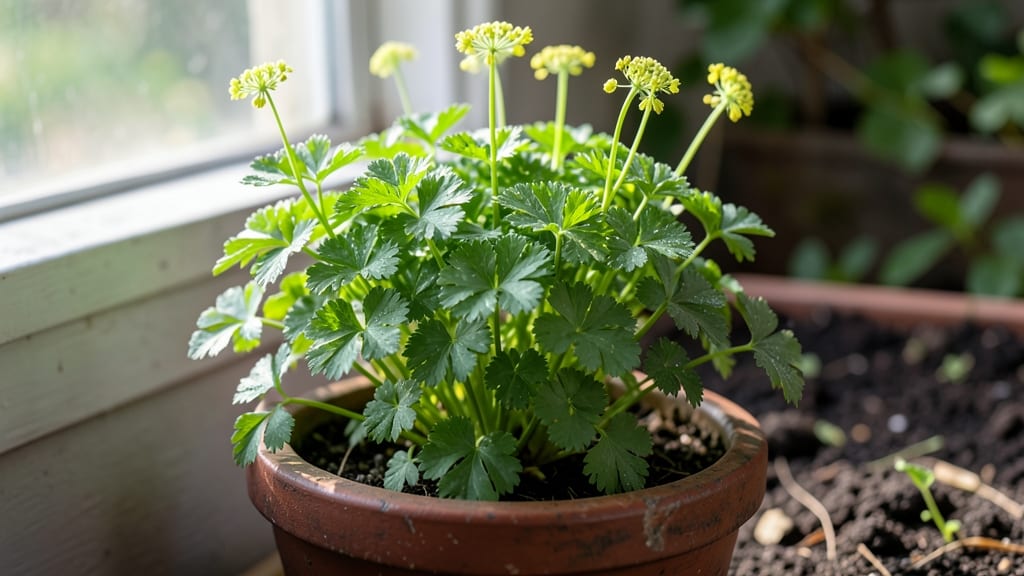
Growing coriander leaf and parsley together gives you year-round harvests in just 30 days—no green thumb required. 🌱 I’ve grown both for years, and the secret is matching their stubborn growth habits with simple care.
Coriander bolts faster than a summer storm, while parsley plays the long game, but together, they’re a low-maintenance dream duo. Both thrive in well-draining soil and 6+ hours of sun, but parsley tolerates shade better than coriander.
Start seeds directly in the ground—transplants struggle—and keep soil consistently moist (not soggy). The real win? You’ll harvest fresh leaves for months, even in winter with a cold frame. Expect bright, fragrant coriander leaves for tacos and parsley for soups, all within arm’s reach. The only downside?
Coriander’s tendency to flower too soon—we’ll fix that with a quick trick. Ready to turn your windowsill or garden bed into a herb factory?
Here’s the foolproof setup: 3-inch pots for indoor starts or direct-sown rows 12 inches apart outdoors. Both herbs love nitrogen-rich soil (add compost!), but parsley handles poor soil better than coriander. Water at the base to avoid fungal issues—damp leaves = disaster—and mulch to keep moisture steady.
Once established, harvest leaves as needed (never more than ⅓ at a time). Coriander’s flavor peaks young, while parsley gets sweeter with age. The biggest mistake? Letting either go to seed—pull spent plants to encourage new growth.
With this method, you’ll have fresh herbs on demand, no grocery store in sight.
Bonus: These two repel aphids and spider mites naturally, so planting them near veggies cuts pest problems. For winter growing, move pots indoors near a sunny window or use a mini greenhouse. The only rule? Don’t overcrowd—parsley’s roots need space, while coriander gets leggy if shaded.
Start with seeds this week, and by spring, you’ll wonder why you ever bought herbs at the store. The first harvest is the best—crisp, vibrant, and yours. Now grab those seed packets!
📚 In This Guide
- What you need
- Instructions
- Tips and common mistakes
- Wrapping up and next steps
What you need
- ● Seeds: Coriander leaf seeds (also called cilantro seeds) – 0.5 oz (15g) per planting
- ● Parsley seeds (flat-leaf or curly) – 0.5 oz (15g) per planting
- ● Potting soil: High-quality, well-draining organic potting mix – 2-3 bags (12-18 qt each)
- ● Containers or garden bed: Containers: 6-8 inch deep pots (minimum 2 per herb type) with drainage holes
- ● Garden bed: 6-12 inch deep soil bed in a sunny spot (6 sq ft per herb type)
- ● Watering can or spray bottle (with fine mist setting for seedlings)
- ● Organic fertilizer: Balanced liquid fertilizer (5-5-5 or 10-10-10) or compost tea
- ● Hand trowel (for transplanting seedlings)
- ● Pruning shears or scissors (for harvesting and trimming)
- ○ Gloves (optional, to protect hands from soil and prickly parsley stems)
- ● Spray bottle with neem oil or insecticidal soap (for pest control)
- ○ Row cover or shade cloth (optional, for seedlings or hot climates)
- ● Access to sunlight: 6+ hours of direct sun daily (parsley tolerates partial shade)
- ● Consistent watering schedule: Keep soil moist but not soggy (especially for seedlings)
- ● Patience! Coriander bolts quickly—harvest leaves before flowers appear.
Step-by-step instructions for growing coriander leaf and parsley together
Here's how to grow these two fast herbs side-by-side for maximum flavor and efficiency.
🌱 Step 1: Choose Containers and Prepare Soil Mix
Select 4-inch deep containers with drainage holes—coriander and parsley both thrive in shallow root spaces. I use 4-inch pots for each plant (since we're growing 4 total) because they allow easy access to roots without overcrowding. Fill each pot with a lightweight potting mix blended with 20% perlite—this prevents soil compaction and ensures roots get plenty of oxygen.
Moisten the mix until it feels like a damp sponge—you should be able to squeeze a handful gently and see just a few droplets form, not a steady stream. The reason for this careful watering is that both herbs hate soggy roots, which can lead to rot. If your mix feels dry after planting, add just enough water to dampen the surface without pooling.
🌱 Step 2: Sow Seeds at Proper Depth and Spacing
For coriander, scatter 4-5 seeds per pot at a depth of ¼ inch—they're tiny, so I use a toothpick to create shallow furrows. Cover them lightly with more mix, then mist gently with water until the surface looks uniformly damp. Coriander seeds need darkness to germinate, so don't disturb the soil after planting.
For parsley, plant 3 seeds per pot at the same ¼-inch depth, but space them 1 inch apart in a small cluster. Parsley seeds are larger and need more room to develop strong roots. After sowing, press the soil down lightly with your fingers to ensure good seed-to-soil contact. This prevents seeds from drying out or being displaced by watering.
💧 Step 3: Provide Consistent Moisture and Warmth
Place both containers in a warm spot (70-75°F)—a sunny windowsill or under a grow light works perfectly. Cover the pots loosely with plastic wrap to retain humidity, but remove it once you see first sprouts (5-10 days for coriander, 10-14 days for parsley). The wrap creates a mini greenhouse effect, speeding up germination.
Water gently from the bottom by placing pots in ½ inch of water for 10 minutes—this encourages roots to grow downward. Once seedlings emerge, switch to top-watering but only when the top inch of soil feels dry. Overwatering at this stage is the fastest way to kill both herbs, so I check soil moisture daily with my finger.
☀️ Step 4: Thin Seedlings and Introduce Sunlight Gradually
When coriander seedlings reach 1 inch tall, thin to 2 strongest plants per pot by snipping weaker stems at the base with clean scissors. Parsley seedlings should be thinned to 1 per pot when they hit 2 inches tall—they grow slower but need more space. The reason for thinning is to prevent competition; crowded herbs develop weak stems and bitter leaves.
Move pots to bright indirect light for the first week, then gradually introduce 4-6 hours of morning sun over 5 days. Both herbs can handle full sun (6+ hours) once hardened off, but sudden exposure causes leaf scorch. You'll know they're ready for more sun when their leaves develop a deep green color and show no signs of yellowing.
✂️ Step 5: Harvest and Maintain for Continuous Growth
Start harvesting coriander leaves when plants reach 4-6 inches tall—cut stems just above a pair of leaves to encourage bushier growth. For parsley, wait until plants are 6-8 inches tall before harvesting outer leaves. Both herbs regrow quickly, so you can expect weekly harvests if maintained properly.
Fertilize every 4 weeks with a balanced liquid fertilizer (10-10-10) diluted to half strength. Water deeply after fertilizing to prevent salt buildup in the soil. If leaves start turning bitter, it's a sign of stress—check for underwatering, overcrowding, or too much sun, and adjust immediately. With proper care, both herbs will keep producing fresh leaves for months.
Tips & tricks for growing fresh herbs together
A few simple adjustments can transform your herb-growing game from occasional success to reliable, year-round harvests.
Soil Mix Precision: When blending your lightweight potting mix with 20% perlite, I recommend adding a handful of worm castings to each pot—this natural fertilizer gives seedlings a nutrient boost without overwhelming them. The key is to mix it thoroughly so the castings don't create hot spots that could burn tender roots. This small addition makes all the difference in seedling vigor during the critical first two weeks.
Germination Hack: For coriander seeds that sometimes struggle to sprout, try soaking them in warm water for 4 hours before planting—this mimics natural rainfall and can double your germination rate. Place them in a fine mesh bag and let them soak at room temperature, then plant immediately after they've softened slightly. The 5-10 day germination window becomes more reliable with this prep step, especially in cooler conditions.
Sunlight Transition Strategy: During the 5-day period when you're gradually increasing sunlight exposure, I've found that rotating pots 90 degrees each day helps prevent leaning. This creates more uniform growth patterns as both herbs adjust to their new environment. Watch for leaves developing a slightly waxy appearance—this is your signal they're ready for full sun exposure after the gradual hardening process.
Harvesting Technique: When harvesting coriander leaves at 4-6 inches, I always cut from the bottom up rather than snipping individual leaves. This encourages the plant to grow bushier from the base rather than leggy. For parsley, I wait until the outer leaves are fully mature before harvesting—this protects the plant's center growth point. Both methods extend your harvest window by promoting continuous regrowth.
Pro Tips for Coriander Leaf And Parsley
- A few simple adjustments can transform your herb-growing game from occasional success to reliable, year-round harvests.
- The key is to mix it thoroughly so the castings don't create hot spots that could burn tender roots.
- Germination Hack: For coriander seeds that sometimes struggle to sprout, try soaking them in warm water for 4 hours before planting—this mimics natural rainfall and can double your germination rate.
Frequently asked questions
Got questions about growing coriander leaf and parsley like a pro?
Here are some of the most common queries—and their easy answers—to help you avoid pests, diseases, and growing headaches!
Can coriander and parsley grow together in the same pot?
Yes, but with caution! Both herbs thrive in similar conditions (sunlight, soil), but coriander can "bolt" (go to seed) faster. Plant them in a larger pot (12+ inches wide) to give roots space, and harvest coriander first to avoid overcrowding. Avoid mixing if your space is tight—parsley’s slower growth means it won’t compete as aggressively.
What pests should I watch for, and how do I stop them?
Coriander and parsley are magnets for aphids, spider mites, and parsley worms. Start with neem oil spray (mix 2 tbsp neem oil + 1 tsp mild soap in 1 quart water) or introduce ladybugs to your garden. For parsley worms, handpick them early or use Bacillus thuringiensis (Bt), a natural bacterial pesticide. Pro tip: Mulch with straw to deter crawling pests!
Why is my parsley growing so slowly?
Parsley is the slowpoke of herbs—it can take 3–4 months to mature! Boost growth by:
- Ensuring it gets 6+ hours of sunlight daily (partial shade works too).
- Keeping soil consistently moist (not soggy).
- Avoiding transplant shock—start seeds indoors 8–10 weeks before last frost.
Can I substitute coriander or parsley in recipes?
While they’re not identical, here’s a quick swap guide:
Need
Swap With
Adjustment
Coriander leaf
Parsley
Use double the amount—parsley is milder. Add a pinch of cilantro powder for depth.
Parsley
Coriander leaf
Use half the amount—cilantro is stronger. Balance with dill or basil.
How do I revive wilted coriander or parsley?
Don’t toss those sad stems! Try this:
- Trim the leaves () and place the herb in a glass of water (like flowers).
- Cover loosely with a plastic bag ( 24 hours) to retain humidity.
- Change water every 2 days and keep in bright, indirect light.
Wrapping up and next steps
Growing coriander leaf and parsley is a rewarding way to enjoy fresh, flavorful herbs year-round—even in small spaces! These fast-growing plants are resilient, pest-resistant, and packed with benefits, from vibrant flavors to natural pest control.
Whether you’re a beginner or a seasoned gardener, their ease of cultivation makes them a must-have in any kitchen garden.
Ready to harvest your own greens? Start small with a pot or patch, experiment with varieties, and watch your culinary creations—and confidence—grow! 🌱💚 Next step: Grab your seeds, follow the tips above, and enjoy the satisfaction of a thriving herb garden!