
Pests and Diseases
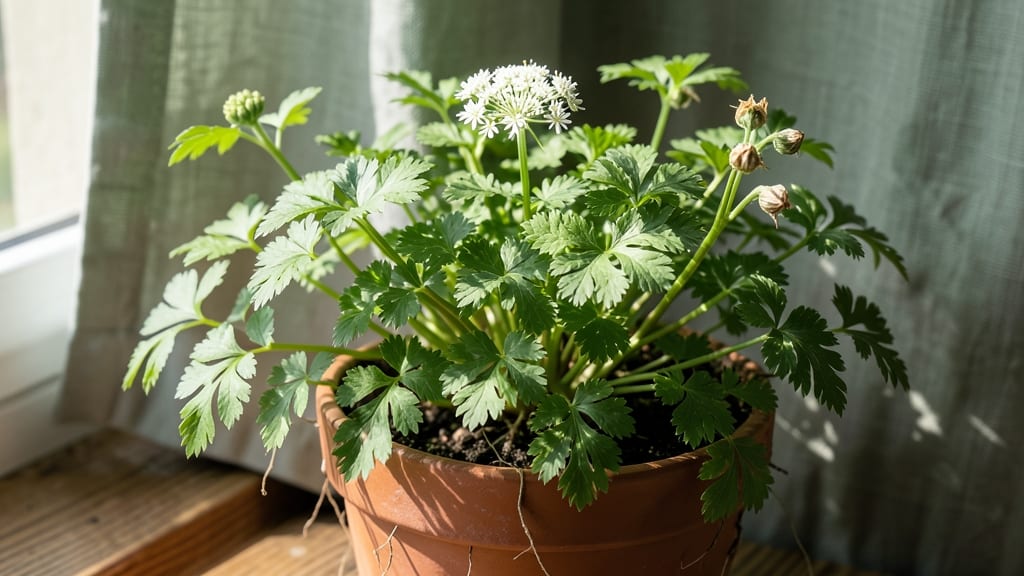
Mastering coriander leaf cultivation is the fastest way to get fresh, fragrant herbs on your plate—within just 3-4 weeks. 🌱 I’ve learned the hard way that patience is key: skipping steps or rushing the process leads to bitter leaves or plants that bolt too soon.
But when done right, you’ll have a steady supply of bright green foliage perfect for garnishes, salads, and salsas.
The secret starts with cool soil and consistent moisture—coriander hates heat and dryness. I sow seeds directly in well-draining soil, about ¼ inch deep, and keep them moist until sprouts appear. A sunny spot with 4-6 hours of sunlight daily keeps the leaves tender and flavorful.
Most gardeners overlook the importance of thinning seedlings to 3 inches apart; crowding stresses the plants and speeds up bolting.
Harvesting begins when you see 3-4 pairs of leaves, and you’ll get 3-4 snips per plant before bolting. The trick is to pick leaves in the morning when oils are most potent, and avoid cutting more than a third of the plant at once.
With proper care, you’ll enjoy fresh coriander for 6-8 weeks before the plant flowers—longer than store-bought herbs last.
If you’re in a hot climate, try growing coriander in partial shade or succession-sow every 2 weeks for a continuous harvest. The key to success is staying consistent with water and avoiding stress—once you master this, you’ll never buy coriander from the store again.
📚 In This Guide
- What you need
- Instructions
- Tips and common mistakes
- Wrapping up and next steps
What you need
- ● Seeds: High-quality Coriandrum sativum seeds (1–2 tbsp per 10 sq ft of garden space). Look for organic or heirloom varieties for best results!
- ● Containers or Garden Bed: For containers: 6–12-inch-deep pots (3–5 plants per pot) with drainage holes.
- ● For garden beds: Well-draining soil in a sunny spot (6+ hours of sunlight daily).
- ● Potting Mix: Lightweight, well-draining soil blend (e.g., 60% potting soil + 40% perlite or compost). Avoid heavy clay soil!
- ● Watering Can or Hose: With a gentle spray nozzle (overhead watering is best).
- ○ Fertilizer: Balanced organic fertilizer (e.g., 10-10-10) or compost tea. Optional: Fish emulsion for a nutrient boost.
- ● Mulch: Straw or shredded leaves (1–2 inches) to retain moisture and suppress weeds.
- ● Grow lights (for indoor setups or low-light areas).
- ● Plant labels (to track varieties if growing multiple types).
- ● Row covers (to protect seedlings from pests like aphids).
- ● Pruning shears (for harvesting leaves without damaging the plant).
- ● pH test kit (ideal soil pH: 6.2–6.8).
Step-by-Step instructions for cultivating fresh coriander leaves
Here's how to grow lush, leafy coriander in just a few weeks—no waiting months for bolting.
🌱 Step 1: Start Seeds Indoors for Early Growth
Coriander seeds germinate best at 65-75°F in 7-14 days, so begin indoors 4-6 weeks before your last frost date for a continuous harvest. Fill 4-inch pots with sterile seed-starting mix (never garden soil—it's too dense) and press it down lightly. The goal is firm but not compacted soil that holds moisture without drowning roots.
Plant 3-4 seeds per pot at a depth of ¼ inch—deeper planting delays germination as the seedling struggles to reach light. Cover lightly with additional mix and mist gently with water until the surface looks evenly damp. Place pots in a humidity dome or cover with plastic wrap to retain warmth and moisture. Check daily but resist watering again until the soil surface feels slightly dry to the touch.
☀️ Step 2: Provide Bright, Indirect Light for Strong Seedlings
The instant seedlings emerge, move them to a south-facing window or under a grow light for 14-16 hours daily. Coriander seedlings grow leggy fast if light is insufficient—you'll see thin, pale stems reaching toward the window. Strong seedlings have thick stems and deep green leaves spaced 1 inch apart. If your seedlings stretch toward light, raise the grow light to 2-3 inches above the plants and rotate pots weekly for even growth.
Once seedlings develop 2-3 sets of true leaves (not the first tiny cotyledons), thin to one strongest seedling per pot by snipping the others at the base. This prevents overcrowding and ensures your remaining plant has space to grow into a bushy, leafy specimen. Water from the bottom of the pot now to avoid disturbing the roots.
🪴 Step 3: Transplant Outdoors After Hardening Off
Two weeks before your last frost, begin hardening off seedlings by placing them outside in a sheltered, shaded spot for 1-2 hours the first day. Gradually increase outdoor time by 1 hour daily until they can tolerate full sun exposure for a full day. This acclimation prevents transplant shock and bolting—coriander hates sudden temperature or light changes.
Choose a sunny spot with well-draining soil (coriander roots rot easily in soggy conditions). Space plants 6-8 inches apart in full sun to partial shade (afternoon shade in hot climates prevents bolting). Water deeply at the base after transplanting to settle the soil around roots. Mulch with 1 inch of organic mulch to retain moisture and suppress weeds.
💧 Step 4: Maintain Consistent Moisture for Leafy Growth
Coriander thrives on consistent moisture—let the top inch of soil dry out between waterings, but never allow the soil to become bone-dry. Water deeply at the base in the morning to encourage strong root growth. Avoid wetting the leaves, which can promote fungal diseases like powdery mildew. You'll know your watering is right when the soil feels slightly damp but not soggy when you check with your finger.
Fertilize lightly every 3-4 weeks with a balanced, water-soluble fertilizer (10-10-10) diluted to half strength. Over-fertilizing encourages leafy growth but can cause bolting—too much nitrogen triggers flowering. Harvest outer leaves first to encourage bushier regrowth. If the plant starts to bolt (send up tall flower stalks), snip the flowering stems immediately to redirect energy into leaf production.
⏰ Step 5: Harvest and Encourage Continuous Regrowth
Begin harvesting outer leaves when they reach 3-4 inches tall—this prevents the plant from bolting prematurely. Use clean, sharp scissors to snip leaves just above a leaf node (where new leaves emerge). You'll see fresh growth within 3-5 days, signaling the plant is thriving. Regular harvesting keeps coriander bushy and productive for 6-8 weeks before bolting becomes inevitable.
To extend the harvest season, sow new seeds every 2-3 weeks after the first planting. This staggered approach ensures a continuous supply of fresh leaves throughout the growing season. If bolting occurs before you're ready, save the seeds—they're the same coriander seeds you started with!
Tips & tricks for perfect coriander leaf growth
Here's what nobody tells you about growing coriander that'll keep your plants thriving and productive.
Germination Temperature: The 65-75°F range is non-negotiable for those stubborn coriander seeds. If your home runs cooler, consider using a seedling heat mat—it can cut germination time from 14 days down to just 7 days. I've seen seeds sprout in as little as 5 days with consistent bottom heat, though 7-14 days is still normal. The key is maintaining that warm, humid environment until you see those first green shoots.
Lighting Strategy: Those 14-16 hours of daily light in Step 2 are crucial for preventing leggy seedlings. I've found that using a full-spectrum LED grow light just 2-3 inches above the plants gives better results than even the sunniest window. Rotate your pots weekly so all sides get equal light exposure—this prevents the plants from growing lopsided. If you notice seedlings stretching toward light, you're too far away.
Hardening Off Hack: The gradual 1-hour daily increase in outdoor exposure during hardening off is what prevents transplant shock. Here's a pro move: on the final day before transplanting, let your seedlings sit outside all day in their sheltered spot. This final acclimation step makes the transition to full sun much smoother. I've seen plants that would have bolted immediately thrive after this extra preparation.
Harvesting Technique: When harvesting those 3-4 inch outer leaves in Step 5, always use clean, sharp scissors and cut just above a leaf node. This encourages bushier regrowth by stimulating new growth points. I've found that harvesting in the morning gives you the freshest leaves, and you'll notice new growth appearing within just 3-5 days. The more consistently you harvest, the longer your plant will produce before bolting.
Pro Tips for Coriander Leaf Cultivation
- Here's what nobody tells you about growing coriander that'll keep your plants thriving and productive.
- Germination Temperature: The 65-75°F range is non-negotiable for those stubborn coriander seeds.
- Lighting Strategy: Those 14-16 hours of daily light in Step 2 are crucial for preventing leggy seedlings.
Frequently asked questions
Got questions about growing coriander leaves? You’re not alone! Here are answers to the most common queries—from timing to troubleshooting—so you can cultivate fresh, fragrant cilantro like a pro.
How long does it take for coriander seeds to germinate?
Coriander seeds can be slow to sprout—typically 7 to 14 days in warm soil (60–70°F). For faster results, soak seeds in warm water for 4–6 hours before planting. Avoid overwatering, as soggy soil can delay germination even further. Patience pays off!
Why does my coriander bolt so quickly?
Coriander bolts (sends up flowers) when stressed by heat, drought, or long daylight. To delay bolting, plant in cool weather (spring/fall), keep soil moist, and harvest outer leaves first. If it bolts, snip flowers to prolong leaf production—or save seeds for next season!
What pests should I watch for in coriander plants?
Common pests include aphids, spider mites, and cutworms. Check undersides of leaves for sticky residue or tiny webs. Combat them with neem oil or insecticidal soap. For cutworms, use collars around stems or handpick at night. Regularly inspect plants to catch issues early!
Can I grow coriander indoors without sunlight?
Yes! Use a south-facing window or grow lights (12–14 hours/day). Place pots near a bright spot, rotate daily for even growth, and keep soil consistently moist. Dwarf varieties like ‘Calypso’ thrive indoors. Just avoid drafts—coriander hates sudden temperature swings!
What’s the best way to revive wilting coriander leaves?
Wilting often signals underwatering or overwatering. Let soil dry slightly between waterings (top inch should be dry). Trim yellowed leaves and move the plant to indirect light. If roots are mushy, repot in fresh, well-draining soil. With care, your plant can bounce back!
Wrapping up and next steps
Coriander leaf cultivation is a rewarding journey that brings fresh, flavorful greens right to your kitchen—with minimal effort! 🌱 Whether you're dealing with pests, diseases, or simply optimizing growth, the key lies in proper care, vigilance, and quick action.
From choosing the right soil to monitoring for common issues like aphids or fungal spots, you now have the tools to keep your plants thriving.
Ready to take the next step? Start small—plant a few seeds this weekend! With patience and practice, you’ll soon be harvesting vibrant coriander leaves for your favorite dishes. Happy growing! 🌿