
Planting
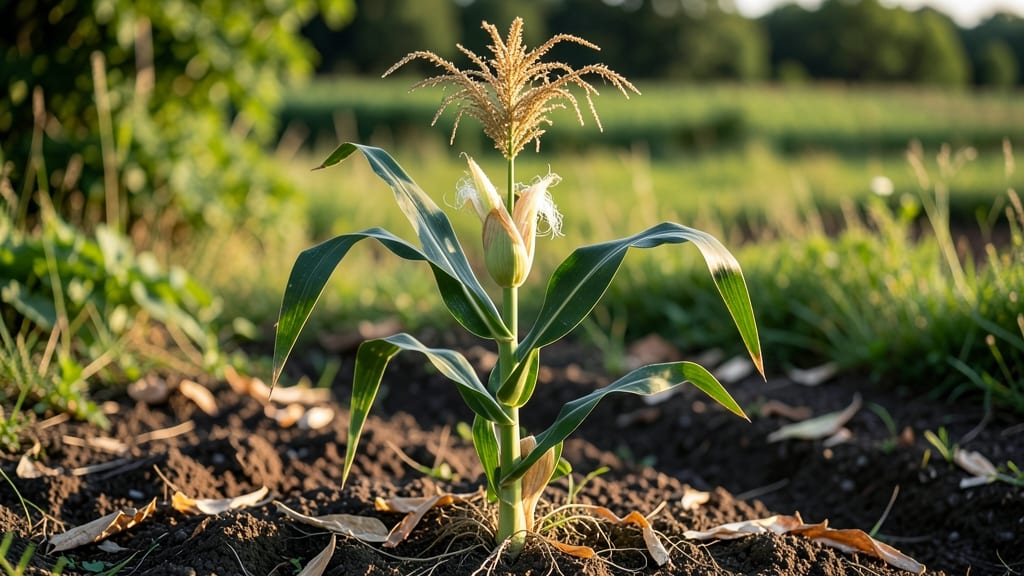
Growing a corn leaf plant (Dracaena fragrans 'Massangeana') brings architectural drama to any space. ✨ Its bold, variegated leaves look like they belong in a tropical greenhouse—but they actually thrive in my living room, where they’ve grown from a 6-inch starter to a 4-foot statement piece in just two years.
The secret to their success? Bright, indirect light and letting the top inch of soil dry between waterings. Most people overwater, which causes those dreaded brown tips, but I’ve found these plants are surprisingly forgiving once you get the balance right.
They’ll even tolerate low light, though the leaves lose some of their striking pattern. By the end of this guide, you’ll have a plant that stays lush, grows steadily, and makes every room feel more vibrant. The best part?
They’re just as happy in a sunny window as they are under grow lights, making them perfect for containers year-round. Whether you’re fixing a struggling plant or starting fresh, these care tips will keep yours thriving for years. Let’s get those leaves growing!
📚 In This Guide
- What you need
- Instructions
- Tips and common mistakes
- Wrapping up and next steps
What you need
- ● Corn leaf plant: 1 healthy nursery-grown plant (4–6" pot size, ideal for beginners).
- ● Pot: 1 drainage hole-equipped container (6–8" diameter for mature plants).
- ○ Optional: Decorative cache pot (1 size larger) for a polished look.
- ● Well-draining potting mix: 1 bag (5–10 lbs) of cactus/succulent mix or a blend with perlite/pumice (e.g., 50% peat, 30% perlite, 20% orchid bark).
- ● Gravel or pebbles: Small bag (2–3 lbs) for drainage layer (¼"–½" size).
- ● Watering can: 1 with a narrow spout (to avoid soil displacement).
- ● Fertilizer: 1 bottle of balanced liquid fertilizer (e.g., 10-10-10 or 20-20-20, diluted to half-strength).
- ○ Optional: Slow-release granules (e.g., Osmocote) for convenience.
- ● Light: Bright, indirect light (e.g., near an east/west-facing window). Tolerates low light but grows slower.
- ○ Humidity: Average household humidity (30–50%). Optional: Humidifier or pebble tray for arid climates.
- ● Temperature: 65–85°F (18–29°C). Keep away from drafts or AC vents!
- ● Patience: Corn leaf plants grow slowly—expect 6–12" growth per year.
Step-by-step instructions for growing corn leaf plants in containers
Here’s how to grow these striking variegated beauties—simple, foolproof, and perfect for adding drama to your indoor spaces.
🌱 Step 1: Choose the Right Container and Soil Mix
Corn leaf plants (Dracaena fragrans 'Massangeana') thrive in well-draining containers with drainage holes—no soggy roots allowed. A 6-8 inch pot works for one plant, but since you’re growing 4, use 8-10 inch pots to give roots room to spread. I like terracotta because it breathes and helps prevent overwatering.
Fill the pot with a lightweight potting mix blended with 20% perlite or orchid bark for aeration. Avoid garden soil—it compacts and smothers roots. Moisten the mix until it’s damp but not dripping, then press it gently into the pot. The goal is fluffy, airy soil that lets water drain freely without leaving the roots thirsty.
☀️ Step 2: Plant and Position for Maximum Light
Remove the corn leaf plant from its nursery pot and gently tease the roots apart if they’re crowded. Place it in the center of your container, then fill the sides with soil, pressing lightly to secure it. Don’t bury the base of the stem—keep it 1-2 inches above soil level to prevent rot.
Corn leaf plants crave bright, indirect light—think east or west-facing windows or 6 feet from a south window. Direct sun can scorch those stunning variegated leaves, while too little light dulls the colors and stretches the plant leggy. If your space is low-light, supplement with a grow light kept 12-18 inches away for 12-14 hours daily.
💧 Step 3: Water Wisely to Keep Leaves Lush
Water your corn leaf plants once a week (or when the top 1-2 inches of soil feel dry). Stick your finger in the soil—if it’s damp, wait. If it’s bone-dry, it’s time. I water until liquid runs out the drainage holes, then dump any excess from the saucer. These plants hate soggy feet, which leads to root rot and yellowing leaves.
Mist the leaves every 2-3 weeks in dry climates to mimic humidity. You’ll know the air is right when the leaves stay plump and vibrant. Yellowing leaf tips? That’s usually a sign of low humidity or fluoride in tap water—switch to distilled or rainwater if needed.
✂️ Step 4: Prune and Fertilize for Full, Bushy Growth
Trim leggy stems back to just above a leaf node to encourage bushier growth. Use clean, sharp scissors and make cuts at a 45-degree angle to prevent water from pooling. This also refreshes the plant’s shape and keeps it looking tidy. I prune mine every 3-4 months or when stems grow too long.
Feed your corn leaf plants once a month in spring and summer with a balanced liquid fertilizer (like 10-10-10). Cut back to every 2 months in fall and winter—they’re not hungry then. Over-fertilizing burns roots, so always dilute fertilizer to half-strength unless the label says otherwise.
🪴 Step 5: Rotate and Repot for Long-Term Health
Rotate your pots a quarter turn weekly so the plant grows evenly toward the light. You’ll notice it leaning? That’s your cue to adjust. Corn leaf plants grow slowly but steadily, so repot them every 2-3 years or when roots circle the pot. Choose a container 2 inches larger in diameter and fresh potting mix to refresh the soil.
Here’s the thing—corn leaf plants are tough. They forgive occasional neglect, but they hate cold drafts and sudden temperature swings. Keep them in 65-75°F ranges, away from AC vents or heaters. With the right light and water, your 4 plants will thrive for years, their bold variegated leaves adding drama to any room.
Tips & tricks for growing stunning corn leaf plants
These simple strategies will help you keep your variegated beauties thriving in containers for years.
Container Selection: While terracotta is ideal, plastic pots work too—just ensure they have drainage holes. I’ve found that 8-10 inch pots for your 4 plants prevent overcrowding, which leads to competition for nutrients and stunted growth. If you notice roots circling the pot before 2-3 years, it’s time to upgrade to a larger container. The key is giving roots room to spread without becoming root-bound too quickly.
Light Positioning: That 12-14 hour daily light requirement might sound strict, but you can get creative! Rotate your plants a quarter turn weekly to ensure even growth toward the light source. If you’re using a grow light, position it 12-18 inches away—closer than that can scorch those gorgeous variegated leaves. I’ve noticed that plants near south-facing windows actually thrive with just natural light, but supplementing with a grow light in winter helps maintain their vibrant colors.
Watering Wisdom: The once-a-week watering guideline works best when combined with the finger test—stick your finger 1-2 inches deep into the soil. If it feels dry, water thoroughly until liquid drains from the bottom. What I’ve learned is that corn leaf plants are more forgiving of underwatering than overwatering. Yellowing leaf tips often signal low humidity or fluoride in tap water, so switching to distilled water can make a noticeable difference in leaf health.
Fertilizer Strategy: When feeding your plants once a month in spring/summer, I’ve found that diluting fertilizer to half-strength prevents root burn while still providing essential nutrients. In fall/winter, reduce to every 2 months—these plants slow down their growth during cooler months. A quick trick is to mix your fertilizer with water in a spray bottle for foliar feeding, which can help prevent salt buildup in the soil.
Pro Tips for Corn Leaf Plant
- These simple strategies will help you keep your variegated beauties thriving in containers for years.
- Container Selection: While terracotta is ideal, plastic pots work too—just ensure they have drainage holes.
- Light Positioning: That 12-14 hour daily light requirement might sound strict, but you can get creative!
Frequently asked questions
Got questions about growing corn leaf plants? You’re not alone—these bold, variegated beauties can be tricky for beginners! Here are answers to the most common queries to help you cultivate success.
How often should I water my corn leaf plant?
Water your corn leaf plant when the top 1–2 inches of soil feel dry. Overwatering is the #1 killer—these plants hate soggy roots! Aim for every 7–10 days (adjust for humidity/climate). Pro tip: Use well-draining soil and a pot with drainage holes to prevent root rot.
How long does it take for a corn leaf plant to mature?
Patience is key! Corn leaf plants grow slowly—expect variegated leaves to fully develop in 1–2 years from propagation. Young plants may start with solid green leaves before their signature bold patterns emerge. Keep it in bright, indirect light to speed up variegation.
Can I grow a corn leaf plant from a cutting?
Snip a healthy stem (4–6 inches long) just below a leaf node, strip the lower leaves, and dip the cutting in rooting hormone. Place it in moist perlite or water until roots form (4–6 weeks). Use a humidity dome to boost success rates!
Why are my corn leaf plant’s leaves turning yellow or brown?
Yellow leaves = overwatering or poor drainage; brown edges = low humidity or sunburn. Adjust care by:
- Reducing water (let soil dry out more between waterings).
- Moving to bright, indirect light (avoid harsh sun).
- Misting leaves or using a pebble tray for humidity.
Is a corn leaf plant toxic to pets?
Corn leaf plants (Dracaena fragrans) are non-toxic to cats and dogs, making them a pet-friendly choice. However, ingestion may cause mild stomach upset, so keep them out of reach if your pet is a nibbler.
Wrapping up and next steps
Growing a corn leaf plant with its stunning variegated foliage is a rewarding journey—perfect for adding drama to your indoor or outdoor space! 🌿 With the right light, soil, and care, this bold beauty thrives in containers, making it ideal for beginners and plant lovers alike.
Whether you’re drawn to its striking patterns or its low-maintenance charm, your efforts will pay off with lush, eye-catching leaves.
Ready to take the next step? Start with a healthy cutting or seedling, follow the care tips, and watch your corn leaf plant flourish. Share your progress with fellow plant enthusiasts—you’ll inspire others to grow their own vibrant greenery! 🌱