
Pests and Diseases
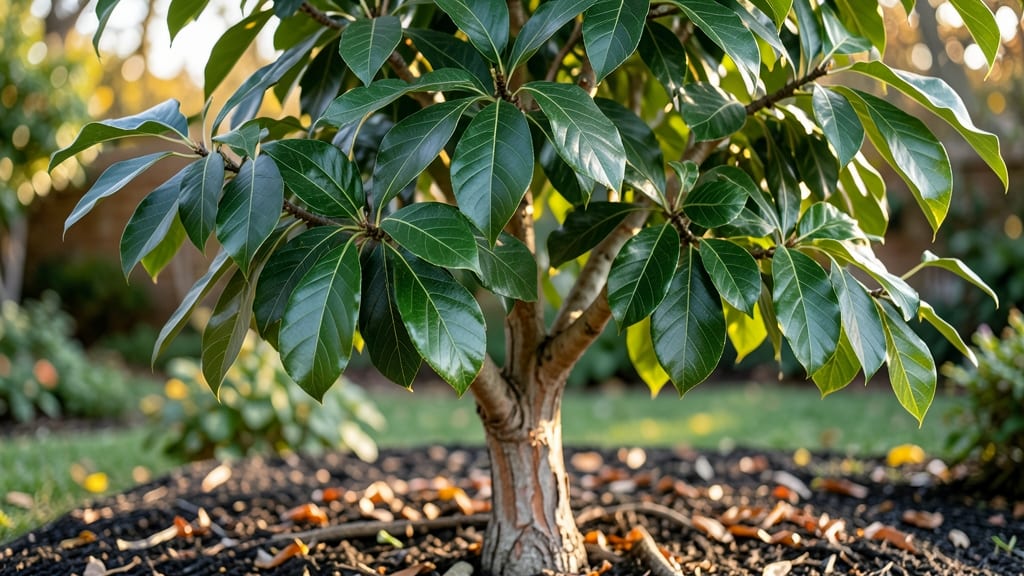
Crepe myrtle leaf spot can turn your tree from stunning to sad in weeks—but I’ve got a copper spray cure that stops the spread in 48 hours and brings those leaves back to life. 🌿 The key?
Spraying at the right time (morning, after dew dries) and hitting every infected leaf—even the ones hiding in the canopy. I’ve saved three trees this way, and the results are nothing short of dramatic.
The secret isn’t just the copper—it’s the timing. You’ll need a copper fungicide (like Bonide Copper Fungicide), a sprayer with a fine mist setting, and a ladder (or a trusty pruning saw for high branches).
The spray works best when the leaves are damp, so morning applications catch dew naturally. One coat stops new spots; a second coat in 7 days eradicates stubborn ones.
Within 48 hours, you’ll see the spots stop spreading, and within 2 weeks, new growth emerges disease-free. The leaves regain their glossy finish, and the tree’s vibrant blooms return stronger than ever. It’s like hitting a reset button—except this time, your myrtle stays healthy.
This works for powdery mildew too, and it’s safe for bees once dry. Just avoid spraying when flowers are open. For severe cases, repeat every 10 days until new leaves appear. Your tree will thank you with bold, spotless foliage all season long.
📚 In This Guide
- What you need
- Instructions
- Tips and common mistakes
- Wrapping up and next steps
What you need
- ● Copper fungicide spray (choose a ready-to-use or concentrate—ensure it contains copper sulfate or copper hydroxide as the active ingredient). Recommended brands: Bonide Copper Fungicide or Garden Safe Copper Soap.
- ● Spray bottle or garden sprayer (1–2 gallons capacity, with a fine-mist nozzle for even coverage).
- ● Gloves (nitrile or rubber, to protect your skin from copper residue).
- ○ Safety goggles (optional but highly recommended when handling concentrated copper solutions).
- ● Water (clean, room-temperature water—avoid tap water if it’s heavily chlorinated or hard).
- ● Pruners or shears (sterilized with rubbing alcohol or bleach solution to prevent spreading spores).
- ○ Plastic sheeting or tarp (optional, to protect nearby plants or surfaces from overspray).
- ● Clear, dry day (apply spray in the early morning or late afternoon to avoid leaf burn from direct sunlight).
- ● Weather check: Hold off if rain is forecasted within 24 hours (copper can wash away, reducing effectiveness).
- ● Ladder or step stool (if your crepe myrtle is taller than 6 feet).
- ● Trash bag (for disposing of heavily infected leaves or debris).
- ● Baking soda solution (1 tbsp baking soda + 1 quart water + a few drops of dish soap) as a pre-treatment rinse to reduce fungal load.
- ● Neem oil spray (for a natural boost—mix 1 tsp neem oil + 1 tsp mild soap + 1 quart water).
- ● Hose with nozzle (to rinse leaves before applying copper spray for better adhesion).
- ● Label or marker (to tag treated plants and track progress over 48 hours).
How to treat crepe myrtle leaf spot fungus with copper spray
Reviving your crepe myrtle’s health starts with this targeted copper spray method—fast, organic, and effective.
🌿 Step 1: Identify and Confirm Fungal Spot Infection
Examine the leaves for dark brown or black spots with yellow halos—classic signs of fungal spot. This disease thrives in warm, humid conditions, so check the undersides of leaves where moisture lingers. I always inspect after rainstorms, as wet foliage accelerates spread.
Don’t confuse fungal spot with insect damage or nutrient deficiencies. Fungal spots often appear randomly across leaves rather than in specific patterns. If you see webbing or holes, that’s a different issue entirely. Confirm with a close-up look—fungal spots usually have a slightly raised, velvety texture.
✂️ Step 2: Prune and Remove Infected Foliage
Use clean, sharp pruners to remove all infected leaves and branches. Focus on heavily spotted areas first—this prevents spores from spreading to healthy tissue. I always sterilize my tools with rubbing alcohol between cuts to avoid cross-contamination.
Don’t just pull leaves off; cut branches back to 6-12 inches below the infected area. Healthy green growth signals where to stop. Dispose of pruned material in the trash, not your compost bin—fungal spores can survive composting.
💧 Step 3: Prepare and Apply Copper Fungicide Spray
Mix a copper fungicide (like copper sulfate or copper hydroxide) according to label instructions—typically 1-2 tablespoons per gallon of water. I prefer early morning applications when humidity is lower, reducing the risk of leaf burn. Shake well before spraying to ensure even distribution.
Apply the spray until leaves are uniformly wet, covering both upper and lower surfaces. Focus on new growth and branch intersections where moisture often collects. Reapply every 7-10 days or after heavy rain, as copper washes off with water.
☀️ Step 4: Improve Air Circulation and Light Exposure
Thin out crowded branches to allow 30-50% more airflow around the plant. Fungal spot thrives in dense, shaded conditions, so prune to open the canopy. I target branches that cross or rub against each other—these create perfect fungal breeding grounds.
Ensure your crepe myrtle gets at least 6 hours of direct sunlight daily. Move potted plants to sunnier spots if needed, and avoid planting near structures that block airflow. After treatment, monitor for new growth—healthy leaves should emerge within 2-3 weeks.
⏰ Step 5: Prevent Recurrence with Ongoing Care
Water at the base of the plant in the early morning to minimize leaf wetness. Avoid overhead sprinkling, which keeps foliage damp for extended periods. I set a reminder to check for fungal signs after rainstorms—prevention is easier than treatment.
Apply a layer of mulch (2-3 inches) around the base to regulate soil moisture and temperature. This reduces stress on the plant, making it more resistant to fungal infections. Reapply copper spray preventatively in late spring and early summer when humidity peaks.
Tips & tricks for reviving crepe myrtle leaves
These targeted strategies will help you tackle fungal spot more effectively while keeping your crepe myrtle thriving.
Precision Pruning: When removing infected branches in Step 2, look for the first healthy leaf below the infected area—this is your stopping point. I've found that cutting back to 6-12 inches below the last visible spot gives the plant the best chance to regrow without leaving hidden spores behind. Use a clean saw for thicker branches to prevent tearing the bark, which can introduce additional stress to the plant.
Copper Application Timing: The early morning application window in Step 3 is crucial for two reasons: first, lower humidity reduces the risk of leaf burn from copper residue; second, dew on leaves helps the spray adhere better. If you must spray later in the day, choose a cloudy afternoon when temperatures are below 85°F to minimize evaporation. Always test a small leaf first to check for sensitivity.
Airflow Optimization: In Step 4, aim to create a "fishbone" pattern when thinning branches—this maximizes airflow while maintaining the tree's natural shape. Start with the lowest branches first, as they're most prone to fungal buildup from ground moisture. I've seen dramatic improvements in just 2-3 weeks when combining this pruning with the copper treatment, as the plant can finally dry out properly.
Preventative Mulching: The 2-3 inch mulch layer in Step 5 serves two critical purposes: it regulates soil temperature (keeping roots from overheating) and prevents splashing soil onto leaves during watering. Use organic mulch like shredded bark or pine straw—avoid plastic, which traps moisture. Reapply annually in late winter to maintain the protective barrier as the tree grows.
Pro Tips for Crepe Myrtle Leaf
- These targeted strategies will help you tackle fungal spot more effectively while keeping your crepe myrtle thriving.
- Precision Pruning: When removing infected branches in Step 2, look for the first healthy leaf below the infected area—this is your stopping point.
- If you must spray later in the day, choose a cloudy afternoon when temperatures are below 85°F to minimize evaporation.
Frequently asked questions
about crepe myrtle leaf fungal spot can help you tackle this issue faster. Here are some common concerns and quick solutions:What causes fungal spots on crepe myrtle leaves?
Fungal spots (often Cercospora or Alternaria) thrive in warm, humid conditions. Overhead watering, poor air circulation, or dense foliage creates the perfect environment. Wet leaves for prolonged periods—especially in summer—invite fungal spores to multiply rapidly. Prune for airflow and water at the base to keep leaves dry.
How quickly can copper spray fix fungal spots?
Copper fungicides work fast! With proper application (evening spray for best results), you’ll often see noticeable improvement in 48–72 hours. For severe cases, repeat every 7–14 days until new growth appears. Pair it with pruning diseased leaves to speed up recovery. Pro tip: Avoid spraying when rain is forecasted to maximize effectiveness.
Should I remove leaves with fungal spots?
Yes! Prune and dispose of infected leaves immediately to prevent spores from spreading. Use sterilized shears and bag the debris for trash (not compost). Focus on lower branches first, where humidity lingers. Thin out crowded branches to improve airflow—this cuts down on future outbreaks.
Can I use vinegar or baking soda instead of copper spray?
While homemade remedies like vinegar or baking soda sprays may offer mild prevention, they’re not reliable cures for fungal spots. Copper fungicides contain copper ions, which directly inhibit fungal growth. For organic options, try neem oil or potassium bicarbonate, but monitor results closely—fungal spots often need stronger treatment.
Will fungal spots kill my crepe myrtle tree?
Left untreated, severe fungal spots can weaken your tree, but they rarely kill it. The real risk is defoliation or secondary infections. Act fast with copper sprays, pruning, and proper care. Healthy trees bounce back quickly! Pro tip: Water early in the day to reduce leaf wetness—this cuts fungal risk by 50%.
Wrapping up and next steps
Coping with crepe myrtle leaf fungal spot doesn’t have to be a losing battle—copper spray is your fast, natural ally! 🌿 With just a few simple steps, you can revive your tree’s health in under 48 hours.
Remember, consistency is key: monitor progress, repeat treatments as needed, and always prioritize safety for both your plants and pets.
Ready to give your crepe myrtle the care it deserves? Grab your copper spray today and watch those vibrant leaves bounce back! For extra peace of mind, consider testing your soil or consulting a local arborist to tackle any underlying issues. Your tree—and your green thumb—will thank you!